By Daniel Bampoe
The Member of Parliament for Abua9kwa South Constituency in the Eastern Region, Kingsley Agyemang, has called for intensified human rights education across Africa, stressing that millions of people on the continent remain unaware of their fundamental rights and therefore unable to demand accountability or protection.
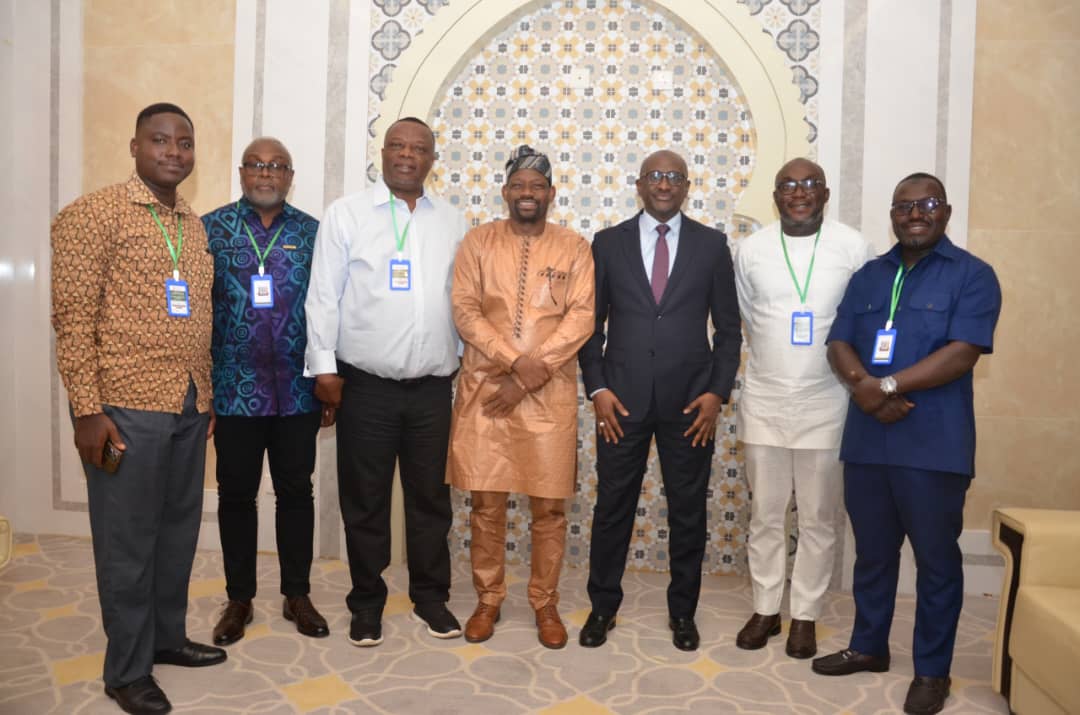
Dr. Agyemang made the remarks during the 87th Session of the African Commission on Human and Peoples’ Rights (ACHPR) held in The Gambia, where he represented the Parliament of Ghana as Vice Chairman of the Human Rights Committee alongside other Members of Parliament.
Speaking after deliberations at the continental gathering, the Abuakwa South MP said discussions and country reports presented during the session exposed significant gaps in rights awareness and protection across many African states.
According to him, the inability of citizens to identify and understand violations affecting them continues to weaken the continent’s human rights architecture.
“As we listened to reports from various countries, we realised that a lot more needs to be done, especially when it comes to rights promotion,” he stated.
Dr. Agyemang argued that human rights education must move beyond policy circles and become part of everyday life, especially at the grassroots level where many citizens lack access to formal education and legal information.
“People should know what their rights are, because if they do not know their rights, they cannot understand them and they cannot advocate for them,” he stressed.
The MP further explained that many Africans often fail to recognise that issues such as inadequate healthcare, lack of access to clean water, and preventable deaths are not only development problems but also human rights concerns.
Drawing examples from everyday realities across the continent, he noted that when a child dies from a preventable disease, it should be seen as a violation of the child’s right to healthcare and survival.
Similarly, he said, when women and children are forced to travel long distances in search of water under dangerous conditions, it reflects a failure to guarantee the right to safe and accessible water.
“If a woman is going to fetch water and gets bitten by a snake because she has to walk long distances, then it becomes a human rights issue. If water was accessible, she would not have gone through that difficulty,” he explained.
Dr. Agyemang noted that the concept of human rights is broader than many people perceive and should include economic, social and developmental rights that directly affect people’s daily lives.
He therefore called on African governments, civil society organisations, traditional leaders and educational institutions to intensify public education on rights awareness using both formal and informal channels.
According to him, human rights studies should be incorporated into basic education, senior high schools and universities while also targeting people outside the formal education system.
He stressed that awareness campaigns should be extended to marketplaces, traditional authorities’ courts, churches, mosques and other community gatherings where large numbers of ordinary citizens can be reached.
“Anywhere people gather should become an opportunity for rights promotion,” he said.
The Abuakwa South MP also highlighted the need for governments to bridge the gap between constitutional guarantees and actual implementation, noting that many vulnerable groups continue to suffer because they lack both information and access to justice mechanisms.
The 87th Session of the African Commission on Human and Peoples’ Rights brought together lawmakers, legal experts, policymakers, human rights advocates and representatives from member states of the African Union to discuss governance, democracy, accountability and the protection of fundamental freedoms across Africa.