BY Grace Zigah
The Ghana Tertiary Education Commission (GTEC) has embarked on a nationwide clampdown on unaccredited tertiary institutions, shutting down 149 distance learning centres found to be operating illegally across the country.
The move, announced by GTEC’s Director-General, Professor Ahmed Abdulai Jinapor, comes after months of investigations which revealed that many of these centres were masquerading as legitimate tertiary education providers but lacked the necessary authorisation and accreditation.
Fake Schools In Unlikely Places
According to Prof. Jinapor, most of the unaccredited centres were situated in inappropriate locations such as church auditoriums, public works department offices, and even Electricity Company of Ghana (ECG) premises.
He stressed that these environments were unfit for academic purposes and violated national standards for tertiary education delivery.
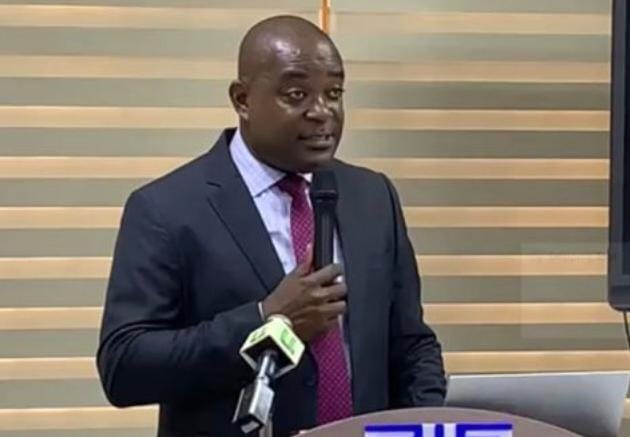
“As we speak, the Ghana Tertiary Education Commission has flagged down about 149 distance learning centres. These centres are unfit for purpose. We cannot allow this to happen,” he declared at a two-day capacity-building workshop on Ghana’s Open and Distance Learning (ODL) policy implementation strategies held on September 9, 2025.
The Double-Track Pressure
Investigations further revealed that many of the illegal centres had been set up within second-cycle schools already grappling with the double-track system introduced to address congestion in senior high schools. Education analysts argue that this trend was fueled by the high demand for tertiary education and the limited capacity of accredited universities to absorb all qualified students.
While distance learning was designed to expand access to higher education, the proliferation of unaccredited institutions has raised concerns about the quality and credibility of certificates issued to unsuspecting students.
“Distancing Education” Instead of Distance Learning
Prof. Jinapor warned that such practices undermine Ghana’s efforts to strengthen tertiary education through distance learning.
“Ghana has been working hard to promote tertiary education, but unfortunately, distance education seems to be replaced by distancing education,” he lamented.
He emphasised that replicating traditional classroom settings in scattered, ill-equipped locations cannot be described as true distance education.
Instead, he called for innovation, technology-driven platforms, and strict adherence to national policy guidelines.
Call for National Consensus
At the same workshop, Professor Olugbemiro Jegede, a Commonwealth consultant on ODL policy, urged Ghana to develop a clear national consensus on what qualifies as open distance learning and how it should be regulated.
He cautioned that without clear definitions and strong regulatory enforcement, the country risks producing graduates whose qualifications will not stand international scrutiny.