BY Grace Zigah
President John Dramani Mahama has announced plans to establish a dedicated 24-Hour Authority, a regulatory and facilitative body designed to drive the flagship 24-Hour Economy policy.
The initiative, which has been a central promise of the Mahama administration, aims to stimulate economic activity, generate jobs, and attract investment across both formal and informal sectors nationwide.
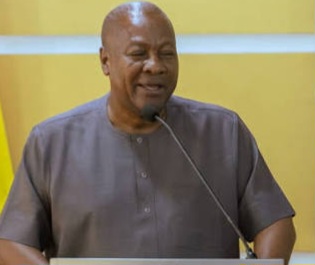
The President made the disclosure during a visit to the Ghana Publishing Company on Thursday, January 8, commending the company for adopting forward-looking operational strategies, including a two-shift system, in anticipation of the policy’s rollout.
According to President Mahama, the proposed Authority will serve as the central coordinating institution for the 24-Hour Economy, tasked with registering businesses that participate, setting operational guidelines, and administering incentives to encourage round-the-clock operations.
“I like the innovative thinking that you have brought into this establishment. Of course, the 24-Hour Initiative is one of the flagship economic policies of this government. I am happy to note that the committee has finished considering it, and it is supposed to go to the floor of parliament to set up the 24-Hour Authority, which would then open the way for implementation and registration of businesses involved in the 24-Hour Economy. It will also spell out what kind of incentive can be given,” the President stated.
The 24-Hour Economy policy was first unveiled during the NDC’s 2024 election campaign, promising to increase workforce participation and productivity through a “1-3-3” model, in which one job would be shared among three workers, ensuring the continuous operation of businesses across the country.
While the policy has been lauded for its potential to create employment opportunities, especially for young Ghanaians, its implementation has faced delays, raising public concern over the fulfillment of campaign promises.
Once established, the 24-Hour Authority is expected to play a regulatory and facilitative role in ensuring the effective and sustainable implementation of the policy.
The government projects that the initiative will unlock employment opportunities, improve productivity, and position Ghana as a competitive hub for continuous business activity, particularly in key sectors such as publishing, manufacturing, and services.
The move comes amid growing calls from civil society and labor groups for the government to prioritize job creation and economic stability, following reports of unpaid public sector salaries and rising youth unemployment.