By Daniel Bampoe
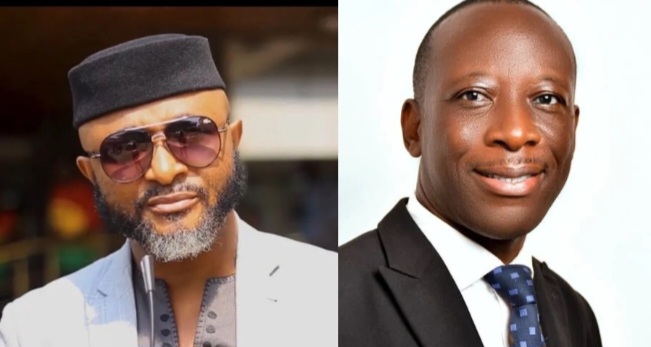
A fresh governance crisis is unfolding at the National Sports Authority (NSA) following a directive from its Board ordering the Director General, Yaw Ampofo Ankrah, to revoke the appointment of 17 staff members recruited into the Authority without what the Board describes as due process.
The decision has exposed deepening institutional tensions and raised broader questions about administrative control, accountability, and compliance with public sector recruitment procedures within one of the most critical sports institutions.
The directive was reportedly issued after a Board retreat held in Ada, where the matter of the controversial appointments dominated deliberations.
According to sources within the Authority, the Board gave Ampofo Ankrah a clear deadline of February 6, 2026, to reverse the appointments. This was not the first intervention by the Board on the matter, making it the second formal instruction for the Director General to annul the recruitments—an indication of escalating concern at the highest governance level of the NSA.
At the heart of the dispute are claims that the recruitment process breached established administrative and procedural rules.
Insiders say the appointments were made without following approved public sector recruitment frameworks, including clearance processes, Board approvals, and alignment with the NSA’s official organisational structure.
More critically, several of the roles created for the newly recruited staff reportedly do not exist within the NSA’s approved organogram, making their positions structurally invalid and impossible to regularise under existing frameworks.
One of the most controversial positions cited is that of a Chief Operations Officer (COO)—a role that does not feature anywhere in the NSA’s current organisational structure.
The experts within the sports administration space argue that creating such positions outside approved structures undermines institutional hierarchy, distorts reporting lines, and weakens internal accountability systems.
Beyond procedural breaches, the situation has reportedly triggered serious internal friction.
Sources within the Authority allege that some of the newly appointed officials now wield influence that surpasses that of existing deputy directors, creating a parallel power structure within the institution.
This has reportedly affected staff morale and operational coherence, deepening divisions between established management and newly recruited officials.
The growing standoff has also reportedly strained relations between the Board, chaired by Dr. Fred Awaah, and the Director General.
Insiders claim Ampofo Ankrah has been reluctant to fully comply with the Board’s directive, further escalating tensions and reinforcing perceptions of a governance breakdown within the Authority’s leadership structure.
This development comes against the backdrop of broader reforms and restructuring efforts at the NSA in recent years.
The Authority has been under increasing public scrutiny over stadium safety, facility management, legal battles over sports infrastructure, and administrative reforms.