By Nadia Ntiamoah
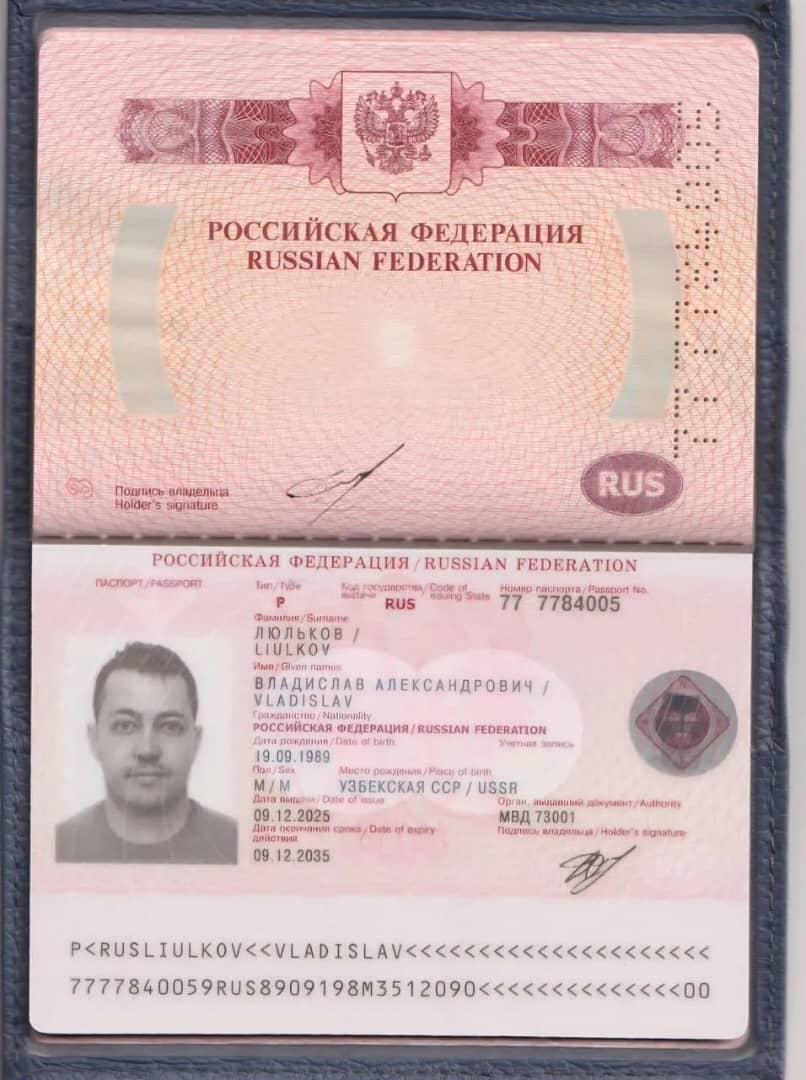
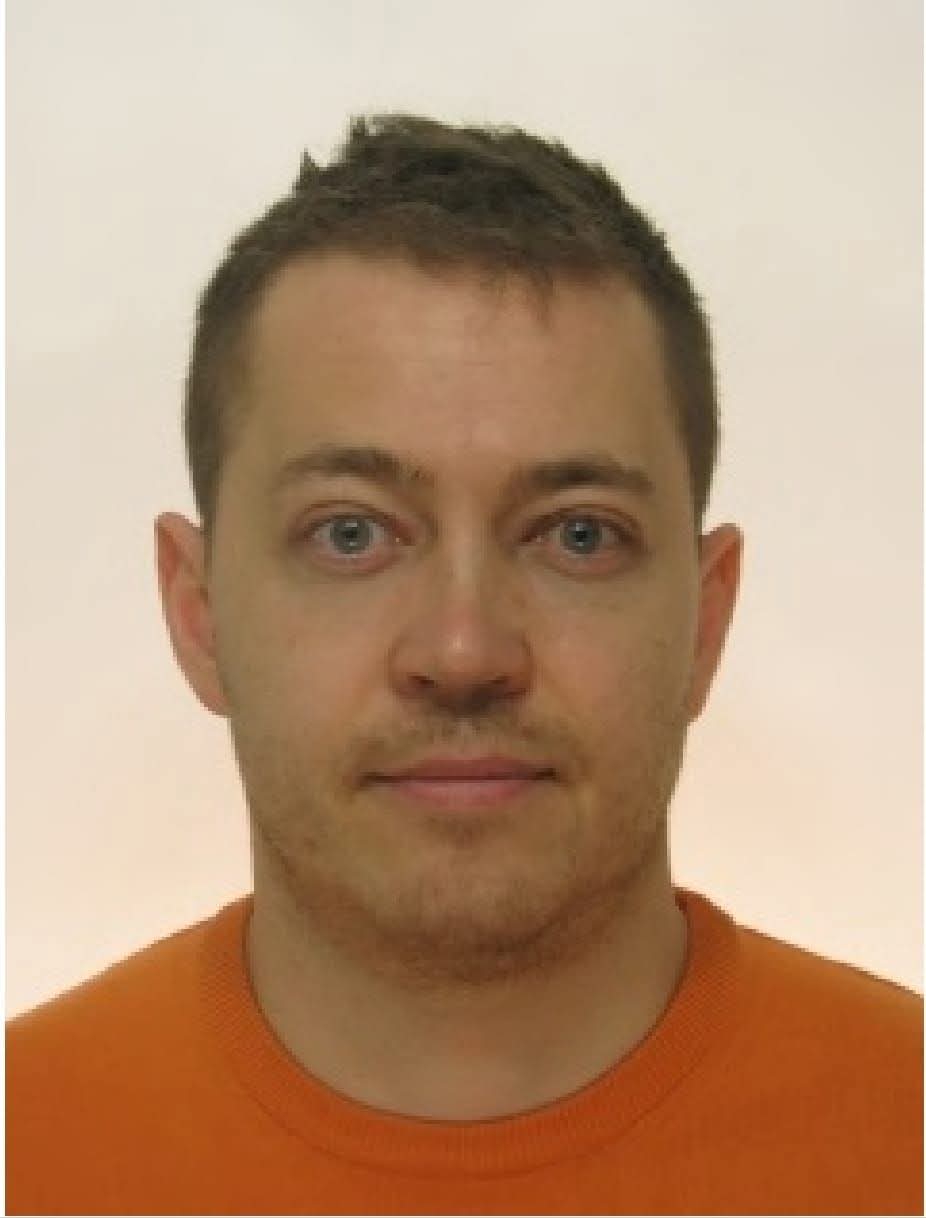
The identity of the Russian man accused of secretly recording intimate encounters with women in Ghana and Kenya has reportedly been uncovered, but Ghanaian authorities face a major obstacle: the Russian government has indicated that their constitutional protections prevent the extradition of its citizens.
The case, which has drawn international attention, involves a man believed to have lured women to hotels under the guise of romantic or social encounters, secretly filming them, and posting the footage online without their consent.
Some of the materials are reported to have been monetized via online platforms, prompting concerns over both privacy violations and criminal profiteering.
In a coordinated effort, the Ministry of Communication, Digital Technology and Innovations and the Ministry of Gender, Children and Social Protection held a joint high-level meeting with the Russian Ambassador to Ghana, Sergei Berdnikov, to brief the Embassy on the ongoing investigations.
The Ministers emphasized that the matter is not a question of morality or private relationships, but a clear criminal offense under Section 67 of Ghana’s Cybersecurity Act, 2020 (Act 1038), which criminalizes the non-consensual recording and distribution of intimate images.
Preliminary investigations by Ghanaian cybersecurity and law enforcement agencies have identified evidence linking the suspect to the recording and dissemination of the videos. Authorities are tracing digital footprints, financial transactions, and online interactions to build a comprehensive case.
The Ministers also confirmed that investigations extend to anyone who may have redistributed the illicit content, whether foreign or Ghanaian.
Despite Ghana’s determination to bring the suspect to justice, Ambassador Berdnikov explained that Russia does not extradite its citizens, citing constitutional limitations.
He did, however, assure Ghanaian authorities that the alleged conduct would be considered criminal under Russian law, and that Moscow would cooperate diplomatically and provide relevant information to support the ongoing investigations.
The Government of Ghana has emphasized that it remains committed to protecting citizens, respecting the rule of law, and pursuing all lawful avenues to ensure justice.
This includes activating cross-border cooperation with international law enforcement agencies such as INTERPOL, and leveraging diplomatic channels to secure evidence and hold perpetrators accountable.
The Ministry of Gender, Children and Social Protection has also established a dedicated victim support desk, staffed with clinical professionals to provide confidential psychological and emotional assistance to affected women.
Citizens are urged not to share or redistribute any of the illegal material, as doing so constitutes a criminal offense under Ghanaian law.