By Grace Zigah
A long-running land dispute in Buoban, a Zongo community within Asokore Mampong in the Ashanti Region, has escalated from a local disagreement into a national governance issue, following a formal petition to the Presidency by a women’s group accusing Interior Minister and Asawase MP, Muntaka Mohammed Mubarak, of unlawfully taking over land earmarked for women-focused community development.
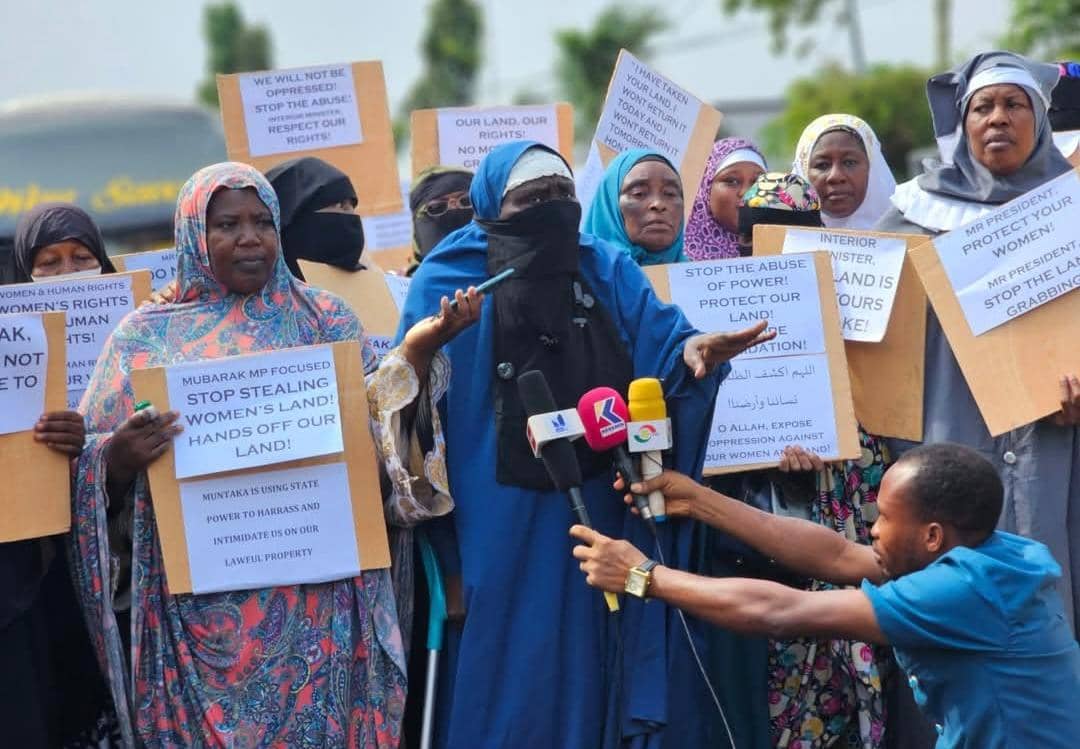
The women, who were in Accra on Tuesday to present their petition, are demanding state intervention in what they describe as an abuse of political authority, violation of trust, and disruption of long-term community development plans.
Roots of the Dispute: A Shared Community Vision
The contested land was originally acquired collectively by three independent community-aligned groups for clearly defined social development projects in Buoban.
These included Zongo community members living abroad, DarulHadith Dawah, and a local women’s group focused on female empowerment and education.
Each group pursued separate but complementary projects. The diaspora Zongo group constructed the Ibadur Rahman Senior High School, which later received government-assisted status.
DarulHadith Dawah established the Sheikh Taufic Memorial Health Centre, later handing it over to the Ghana Health Service for public operation while retaining some residual land for future projects.
The women’s group, on its part, mobilised resources and community support to establish a vocational and skills training school for girls, aimed at empowering young women through education, trades, and entrepreneurship.
Although the project remains unfunded, planning activities and fundraising initiatives have continued over the years, with the land reserved specifically for this purpose.
The 2016 Election Turning Point
According to the women and other community stakeholders, the dispute dates back to the period before the 2016 general elections, when Muntaka Mubarak, then and now MP for the area, approached the groups requesting a portion of the land for what he described as a Girls’ Nursing Training College.
The groups say they gave verbal consent strictly for that purpose, based on trust and the understanding that the project would benefit girls and align with the women’s empowerment agenda already attached to the land.
However, following the defeat of the National Democratic Congress (NDC) in the 2016 elections, the proposed nursing training project was reportedly abandoned.
The land, according to the women’s group, was never formally transferred, documented, or legally acquired, leaving its status unresolved but still tied to the original community development intentions.
Change In Use And Rising Tensions
Over time, the development profile of the area changed. Ibadur Rahman SHS became a government-assisted institution, while the Sheikh Taufic Memorial Health Centre was absorbed into the public health system.
The women’s group, however, maintained its claim and continued preparations for its vocational training project for girls.
Tensions resurfaced when Muntaka reportedly announced plans to expand Ibadur Rahman SHS onto the portion of land reserved for the women’s project.
The women rejected the move, insisting that their earlier consent was strictly for a girls-only nursing institution, not the expansion of a mixed senior high school, and reaffirmed their intention to use the land for their vocational training centre.
Public Confrontation And Police Deployment
The dispute became public following the circulation of a viral video in which Muntaka is heard stating that the women had verbally donated the land, that no documentation existed, and that he had “confiscated” the land and would not return it, regardless of opposition.
He further challenged the women to seek redress wherever they deemed appropriate.
Following this, police personnel were reportedly deployed to secure the land and prevent the women from accessing the site.
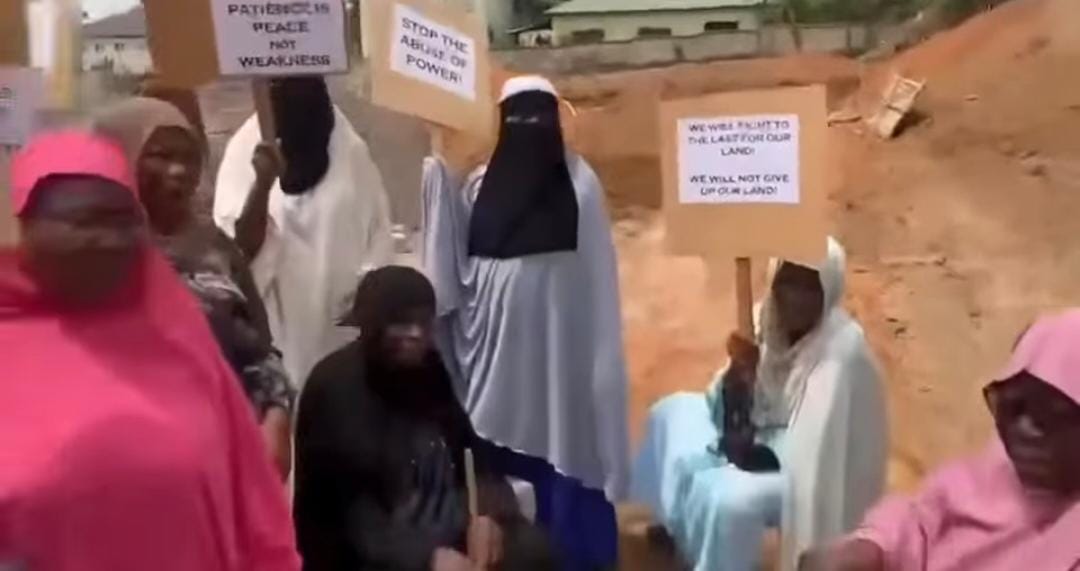
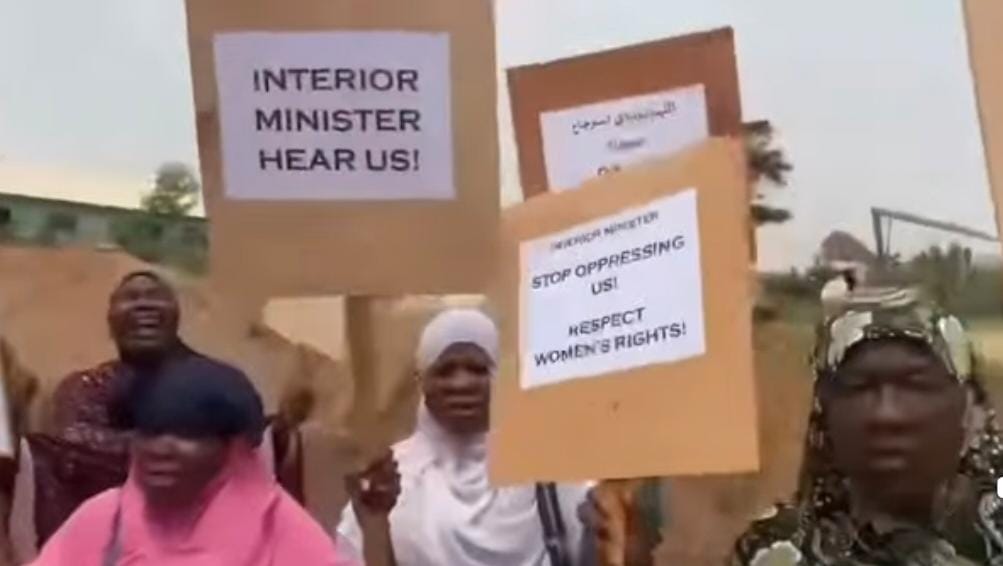
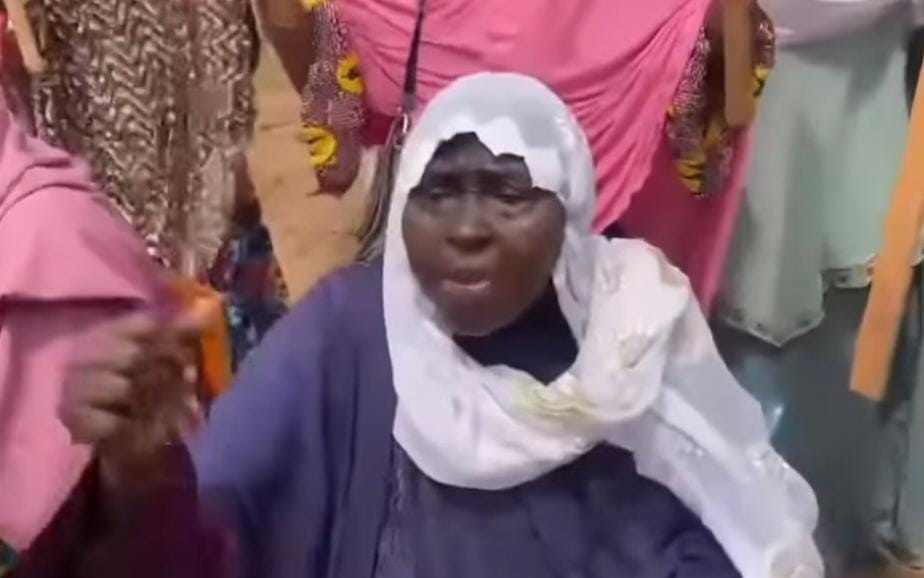
In response, members of the women’s group went to the land in protest, staging a public demonstration that included Islamic prayers and spiritual appeals, symbolising both grievance and desperation.
The confrontation drew national attention and sparked widespread public debate.
Petition to the Presidency And National Attention
Frustrated by what they describe as the failure of local mediation and the use of state security to enforce a contested claim, the women travelled to Accra and successfully petitioned the Presidency, calling for an independent investigation and state intervention.
In their petition, they accused the Interior Minister of using political power to override community rights, violate trust-based agreements, and undermine women-led development initiatives.