BY Grace Zigah
Despite years of legal prohibition, advocacy campaigns and public education, the practices of female genital mutilation (FGM) and tribal marking continue to quietly persist in parts of northern Ghana, raising renewed concerns among human rights advocates, health experts and community leaders about the enduring influence of culture, identity and social pressure.
Research findings and testimonies from affected individuals indicate that although both practices are widely condemned and criminalised under Ghanaian law, they remain deeply rooted within some communities, particularly in the Upper East, Upper West and Northern Regions.
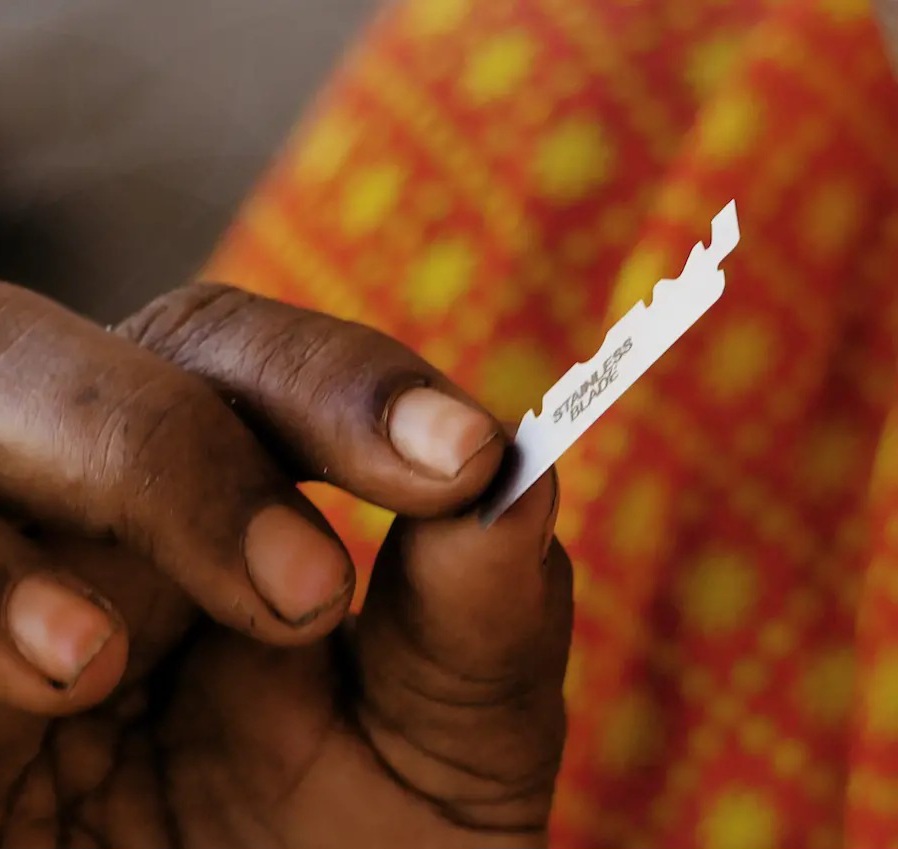
Female genital mutilation, commonly known as FGM, involves the partial or total removal of the external female genitalia for non-medical reasons. Ghana criminalised the practice in 1994 as part of broader efforts to protect the rights and welfare of women and girls.
However, available studies suggest that the practice has not been completely eradicated.
While national prevalence rates remain relatively low compared to some neighbouring countries, research indicates that the situation in parts of northern Ghana remains significantly more severe.
According to studies referenced in the report, prevalence rates in the Upper West Region have reached as high as 50.5 per cent in some communities, while districts such as Bawku and Pusiga in the Upper East Region have reportedly recorded prevalence levels exceeding 60 per cent among women.
Some research findings even suggest that prevalence rates in specific northern communities may exceed 80 per cent.
Researchers say the continued existence of FGM in these areas is strongly linked to ethnicity, cultural identity, marriage expectations and long-standing traditional beliefs surrounding womanhood and social acceptance.
For many families within practising communities, undergoing FGM is still viewed as a rite of passage into adulthood and a requirement for social recognition and marriage eligibility.
Personal testimonies gathered during field interviews reveal the intense social pressure surrounding the practice.
One participant interviewed during research in northern Ghana stated that girls often have little choice because “it is the tradition of the tribes so the girls cannot refuse to be circumcised.”
Another testimony connected both FGM and tribal marking to ethnic identity and belonging, with one individual explaining that tribal marks were imposed to visibly identify them with their people and heritage.
Survivors of FGM also recounted painful physical and emotional consequences associated with the practice.
Research conducted in communities such as Kandiga highlighted reports of severe pain, excessive bleeding, childbirth complications and long-term psychological trauma among victims.
Some broader survivor accounts shared through advocacy platforms described prolonged suffering following the procedure, reinforcing concerns about the lasting physical and emotional effects on victims.
Beyond FGM, tribal marking or scarification also remains a significant cultural practice in parts of northern Ghana.
Historically, tribal marks placed on the face or body have served as symbols of ethnic identity, lineage, beauty, maturity and spiritual protection within various communities.
However, changing attitudes among younger generations are increasingly challenging the relevance of the practice.
While many older community members continue to view tribal marks as important symbols of heritage and belonging, younger people, especially those living in urban areas, increasingly associate the marks with stigma, discrimination and outdated cultural practices.
Researchers note that some individuals who received tribal marks as children did so without consent, often as part of family or community efforts to preserve ethnic identity.
Health experts and human rights advocates continue to raise concerns about both practices because of their medical, psychological and legal implications.
The report highlights risks including infections, excessive bleeding, childbirth complications, trauma and reduced self-esteem, particularly when the procedures are performed on minors without consent.
Internationally, FGM is recognised as a violation of the rights of women and girls, with organisations such as the United Nations and the World Health Organization repeatedly calling for its eradication worldwide.
Academic research referenced in the report suggests that the persistence of FGM in Ghana is influenced by multiple interconnected factors including poverty, limited education, entrenched gender norms and cross-border cultural influences from neighbouring countries where the practice remains more widespread.
Studies conducted in the Kassena-Nankana area further indicate that deeply rooted patriarchal structures and social expectations continue to sustain the practice, often with support from both men and women within affected communities.
Over the years, Ghanaian authorities, civil society organisations and international partners have introduced several interventions aimed at ending harmful traditional practices.
These efforts have included legal reforms, community sensitisation campaigns, engagement with traditional and religious leaders, educational programmes and empowerment initiatives targeting girls and vulnerable communities.
However, researchers argue that legal enforcement alone has not been sufficient to eliminate the practices entirely.
Many experts now advocate for more community-led dialogue, culturally sensitive education and stronger support systems for survivors as part of long-term efforts to transform attitudes without alienating affected communities.
Advocates also stress the importance of cross-border cooperation between Ghana and neighbouring countries to address the movement of victims and practitioners across borders where enforcement may be weaker.
Although progress has been made in reducing prevalence and increasing public awareness, the report concludes that FGM and tribal marking remain complex social issues tied to identity, culture and historical traditions that continue to challenge efforts at eradication.