BY Daniel Bampoe
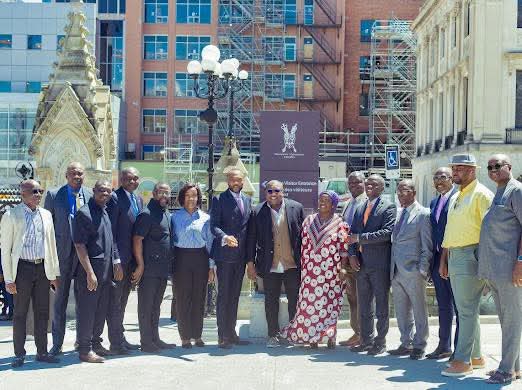
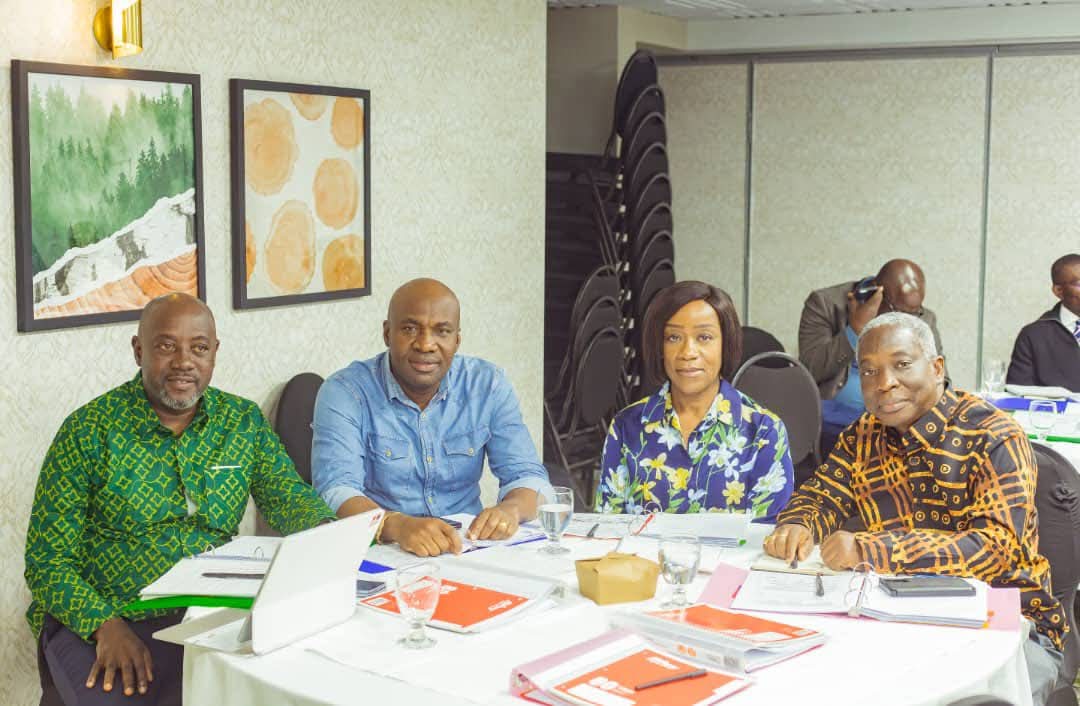
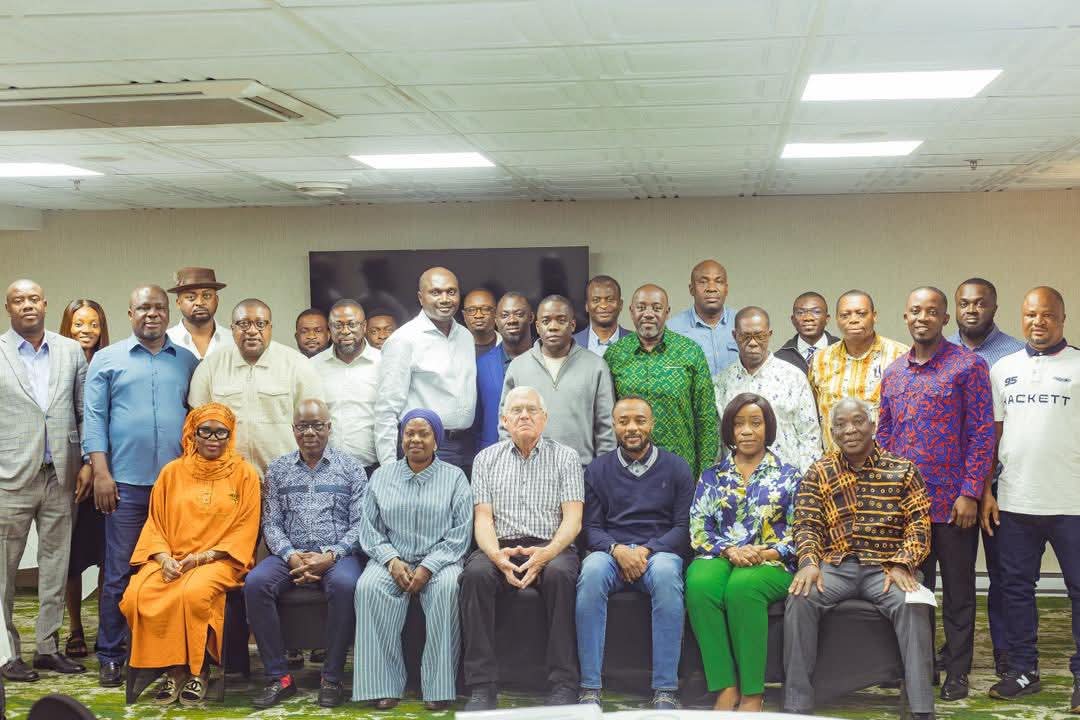
A delegation of Members of Parliament from the opposition New Patriotic Party (NPP) Minority Caucus is participating in an intensive capacity-building programme in Canada aimed at enhancing parliamentary effectiveness, strengthening legislative oversight, and improving public policy engagement.
The week-long programme, being held in Gatineau, Canada, forms part of ongoing efforts by the Minority Caucus to equip its members with modern parliamentary skills and practical tools required to effectively discharge their constitutional responsibilities in the Ninth Parliament.
The training comes at a time when Parliament continues to play a crucial role in scrutinizing government policies, ensuring accountability, and advancing legislation in an increasingly complex governance environment.
With the NPP currently serving as the Minority in Parliament following the 2024 general elections, party leaders have emphasized the need for members to sharpen their oversight capabilities and strengthen their effectiveness in holding the government accountable.
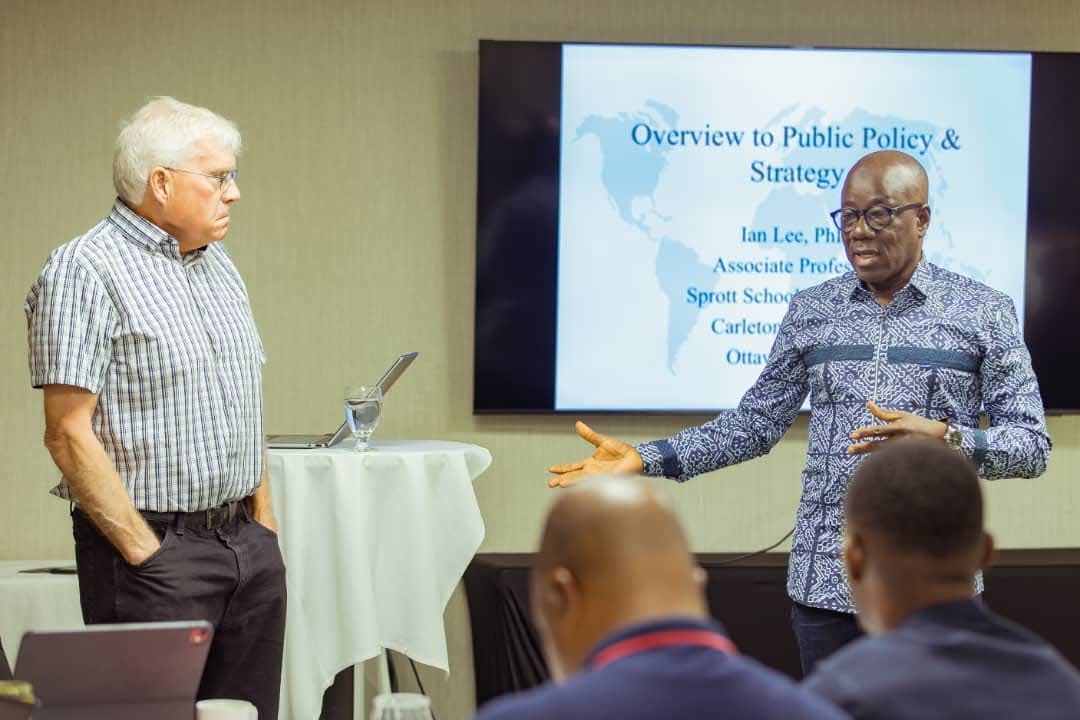
According to participants, the five-day workshop focuses on enhancing parliamentary scrutiny, improving legislative performance, and deepening understanding of the oversight functions of Members of Parliament.
The programme is designed to provide lawmakers with practical knowledge and strategic insights that will enable them to contribute more effectively to debates, committee work, constituency representation, and national policymaking.
The training initiative is being organized through the leadership of the Minority Caucus in collaboration with the African Centre for Parliamentary Affairs (ACEPA) and Laurentian University in Canada. It follows a broader commitment by the NPP parliamentary leadership to invest in continuous professional development for its MPs as part of efforts to build a stronger and more effective parliamentary opposition.
Participants noted that the six-day programme combines academic instruction, practical case studies, policy analysis, and leadership development sessions aimed at improving legislative performance and democratic governance.
The programme also seeks to expose lawmakers to international best practices in parliamentary administration, governance, accountability mechanisms, and political party organization.
Organizers believe such exposure is critical in helping legislators adapt to evolving governance challenges while maintaining effective representation of their constituents.
Several MPs attending the workshop have praised the initiative, describing it as timely and relevant given the increasing demands placed on legislators in modern democratic systems.
They noted that beyond lawmaking, Members of Parliament are expected to scrutinize public expenditure, assess government programmes, engage citizens, and contribute to national development through informed policymaking.
The training has also been viewed as a strategic effort by the Minority Caucus to strengthen its internal capacity ahead of key parliamentary engagements, including debates on major government policies, economic reforms, and legislative proposals expected to come before the House during the current parliamentary session.
Participants expressed appreciation to the leadership of the Minority Caucus for prioritizing parliamentary development and investing in the professional growth of members.
Particular commendation was directed at Minority Leader Alexander Kwamena Afenyo-Markin, whose leadership has focused significantly on strengthening the institutional capacity of the Caucus since assuming office.
Other leaders acknowledged for supporting the initiative include Deputy Minority Leader Patricia Appiagyei, Minority Chief Whip Frank Annoh-Dompreh, First Deputy Minority Whip Habib Iddrisu, and Second Deputy Minority Whip Jerry Ahmed Shaib.
According to participants, the leadership’s commitment to training and knowledge-sharing reflects a broader vision of building a well-equipped parliamentary opposition capable of contributing meaningfully to democratic governance and national development.
The programme further underscores growing collaboration between Ghanaian parliamentary institutions and international academic and governance organizations aimed at promoting democratic accountability, institutional strengthening, and effective legislative practice.