

The Densu River, a vital water body that separates the New Juaben and Suhum constituencies in the Eastern Region, has become a stark reminder of the devastating impact of galamsey on Ghana’s environment.
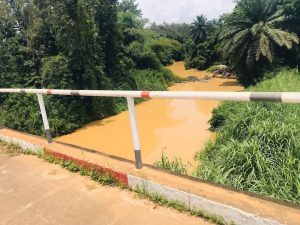
A recent visit to the Obuotumpan bridge, which spans the river, revealed a shocking sight: the once-pristine waters have been transformed into a murky, brown tea-like colour, courtesy of the rampant galamsey activities in the area.
The Densu River, which is just a 10-minute drive from Koforidua township, has been a victim of the galamsey menace for years.
Despite the claims made by the NDC government’s efforts to combat illegal mining activities, the situation seems to be getting worse.
The river, which was once a source of drinking water for many communities, has become a dumping ground for toxic chemicals and heavy metals used in the galamsey process.
The effects of galamsey on the Densu River are not limited to its aesthetic appeal.
The pollution of the river has severe consequences for the environment, human health, and the economy.
The river’s ecosystem is being destroyed, and the communities that depend on it for their livelihood are facing serious challenges.
The situation is a stark reminder of the need for urgent action to address the galamsey menace and protect Ghana’s water bodies.
Ironically, those crusaders who called for a state of emergency and a nationwide strike last year over the galamsey issue are now quiet with some rewarded with juicy appointments.
Their silence is deafening, and it raises questions about their commitment to the cause.
Residents around the affected river bodies are calling on the government to take immediate action to address the galamsey menace and protect Ghana’s water bodies.
This includes enforcing the laws and regulations, providing alternative livelihoods for those engaged in galamsey, and investing in the rehabilitation of affected communities.
-BY Daniel Bampoe


