BY DANIEL BAMPOE
A new political and constitutional controversy has emerged over the circumstances surrounding former Chief Justice Sophia Akuffo’s departure from the Council of State, with government officials and critics trading accusations over whether her resignation was linked to the removal of former Chief Justice Gertrude Araba Esaaba Sackey Torkornoo.
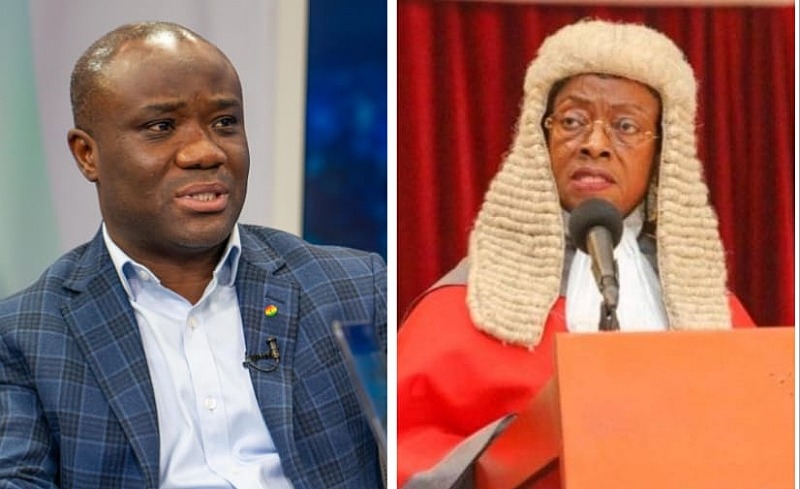
The dispute intensified following comments by Minister for Government Communications, Felix Kwakye Ofosu, who publicly rejected suggestions that Sophia Akuffo resigned in protest against the controversial removal of Justice Torkornoo from office.
Addressing journalists during the Government Accountability Series in Accra on June 15, Kwakye Ofosu maintained that there was no evidence to support claims that the former Chief Justice’s resignation was motivated by dissatisfaction with the government’s handling of the Torkornoo matter.
According to the minister, government records show that Sophia Akuffo submitted a resignation letter from the Council of State in September 2025, but the document contained no reference to Justice Torkornoo’s removal or any disagreement with the administration over judicial matters.
He argued that it would be unfair for commentators and political opponents to assign motives to the former Chief Justice when she had not publicly stated any reasons for her decision.
“The former Chief Justice is known for being outspoken and highly principled,” Kwakye Ofosu said. “When she disagreed with the Domestic Debt Exchange Programme, she publicly demonstrated her opposition. If her resignation had anything to do with Justice Torkornoo’s removal, she would have communicated that position herself.”
Questions Raised Over Timing and Secrecy
However, the minister’s explanation has triggered a fresh wave of criticism and suspicion from opponents who argue that key questions surrounding the resignation remain unanswered.
Critics contend that while Sophia Akuffo may indeed have submitted a resignation letter in September 2025, there is no public evidence that the resignation was officially accepted at the time.
They further question why news of the resignation remained unknown to many members of the public and even sections of the Council of State until media reports surfaced months later.
The controversy deepened after allegations emerged that Sophia Akuffo continued to receive monthly allowances and official validations from the Controller and Accountant-General’s Department long after the date government claims she resigned.
According to critics, if her resignation took effect in September 2025, questions must be answered regarding why payments and administrative recognitions allegedly continued thereafter.
These claims have fueled speculation that the resignation may not have been processed or formalized immediately despite being tendered months earlier.
Political Allegations Surface
The issue has also taken on a political dimension, with some government opponents alleging that authorities deliberately kept the resignation out of the public domain.
According to those critics, the decision not to publicly announce or formalize the resignation immediately may have been influenced by succession considerations within Ghana’s judicial hierarchy.
Some have gone as far as alleging that there were plans to keep Sophia Akuffo nominally attached to the Council of State until the eventual retirement of Chief Justice Paul Baffoe-Bonnie, thereby creating a preferred succession arrangement.
Government officials have not responded directly to those allegations, while no evidence has been publicly produced to substantiate the claims.
Background: The Torkornoo Removal Controversy
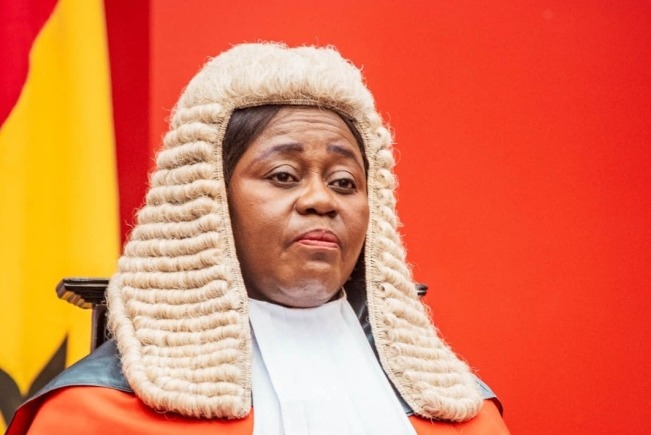
The debate cannot be separated from the broader political storm that followed the removal of former Chief Justice Gertrude Torkornoo.
Justice Torkornoo was removed from office on September 1, 2025, following a constitutional process initiated under President John Dramani Mahama’s administration. The proceedings attracted intense public attention and divided legal opinion across the country.
Supporters of the process argued that constitutional mechanisms for accountability must apply to all public office holders, including the Chief Justice.
Critics, however, described the removal as a dangerous precedent capable of undermining judicial independence and weakening public confidence in the separation of powers.
The matter subsequently generated multiple legal battles, including challenges before Ghana’s courts and a human rights petition before the ECOWAS Court of Justice.
Sophia Akuffo’s Influence on the Debate
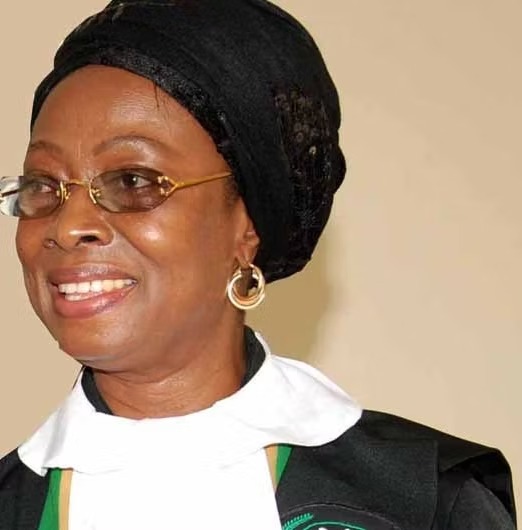
Sophia Akuffo’s involvement in the discussion has attracted significant attention because of her unique standing within Ghana’s legal and constitutional history.
A former Chief Justice and respected jurist, she has previously demonstrated a willingness to publicly challenge government policies when she believes they are unjust. Her criticism of the Domestic Debt Exchange Programme became one of the most notable examples of judicial figures openly expressing dissatisfaction with state policy.
It is this reputation for independence that has led some observers to speculate that her departure from the Council of State may have been connected to concerns over Justice Torkornoo’s treatment.
However, neither Sophia Akuffo nor her representatives have publicly confirmed any such link.
Unanswered Questions Remain
While government insists that the resignation was unrelated to the removal of Justice Torkornoo, lingering questions about the timing of the resignation, the alleged continuation of allowances, and the delayed public disclosure continue to fuel debate.
For now, the controversy remains unresolved, with calls growing for greater transparency regarding the circumstances surrounding Sophia Akuffo’s departure from the Council of State.
Until the former Chief Justice herself publicly addresses the matter, speculation is likely to persist over whether her resignation was a routine personal decision or part of a broader response to one of the most contentious judicial episodes in the recent history.