BY Nadia Ntiamoah
Fresh concerns have emerged over the alleged Ghana’s connection to international drug trafficking networks after Australian authorities uncovered a massive methamphetamine shipment valued at nearly $300 million, prompting renewed calls for investigations into the country’s role in global narcotics operations.
The latest development has reignited debate over the vulnerability to transnational drug syndicates, with Member of Parliament for Assin South, Rev. John Ntim Fordjour, demanding explanations from the security and anti-narcotics agencies regarding what he described as a worrying pattern of drug-related incidents linked to the country.
In a social media post on X, the New Patriotic Party (NPP) MP questioned how another major narcotics shipment could allegedly originate from Ghana without attracting the attention of local enforcement agencies.
“Another major $296 million drug bust originating from our country?” Ntim Fordjour wrote, calling on authorities including the Narcotics Control Commission (NACOC) and other national security agencies to account for the development.
The controversy comes only months after fierce political exchanges over allegations involving suspicious flights and suspected narcotics trafficking through Ghana, a matter that generated widespread public debate and calls for investigations.
The latest Australian seizure is therefore expected to intensify scrutiny over the anti-drug enforcement regime and border security systems.
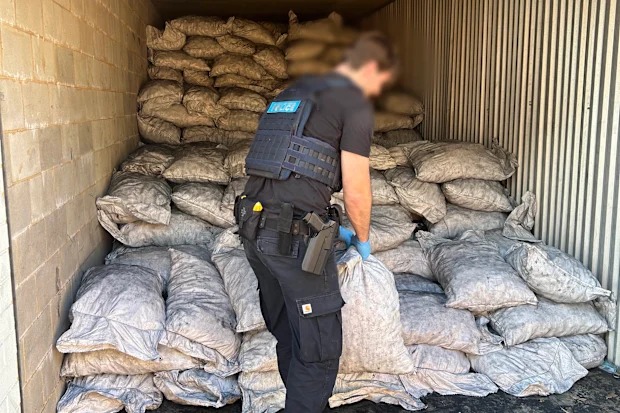
According to reports from Australian authorities, investigators dismantled an international trafficking operation involving approximately 320 kilograms of methamphetamine concealed inside sacks of charcoal that had been shipped from West African port before arriving in Australia.
Authorities disclosed that the consignment was intercepted at Port Botany in Sydney after border officials detected irregularities in two shipping containers.
Subsequent inspections led investigators to a storage facility in Girraween, where forensic examinations confirmed that the substance concealed within the charcoal shipment was methamphetamine.
Australian police believe the seizure forms part of a sophisticated international trafficking network operating across multiple jurisdictions.
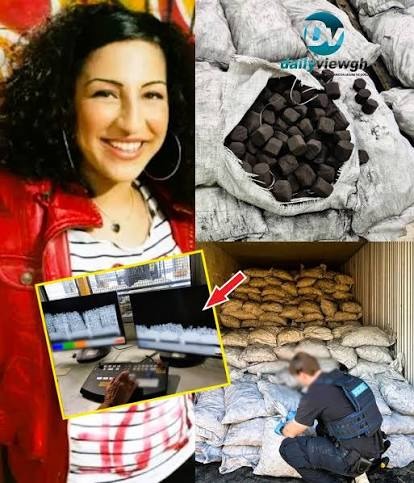
The investigation took another dramatic turn when authorities arrested a 34-year-old British actress, Emaa Hussen reportedly known for appearing in a spin-off of the popular television series EastEnders.
Investigators allege that she participated in unpacking and transporting portions of the shipment from the storage facility to a residence located in Blacktown.
Police later conducted searches at the property and reportedly recovered additional suspected narcotics, electronic devices and documents, including a notebook currently undergoing forensic examination as investigators attempt to uncover the full scope of the operation and identify other individuals connected to the syndicate.
Authorities have also linked an Adelaide-based couple to the case. The pair were reportedly charged earlier in April and are expected to reappear before the courts in September, while the actress remains in custody pending a scheduled court appearance in August.
Although Australian investigators continue to pursue leads across several jurisdictions, the reports have inevitably drawn attention to Ghana because of allegations that the shipment originated from the country before making its way through international transit routes.
The allegations have sparked fresh concerns among security analysts and policymakers about the growing sophistication of international drug trafficking organizations and the possibility that criminal networks may be exploiting West African countries as transit points for narcotics destined for Europe, North America, Asia and Australia.