BY GRACE ZIGAH
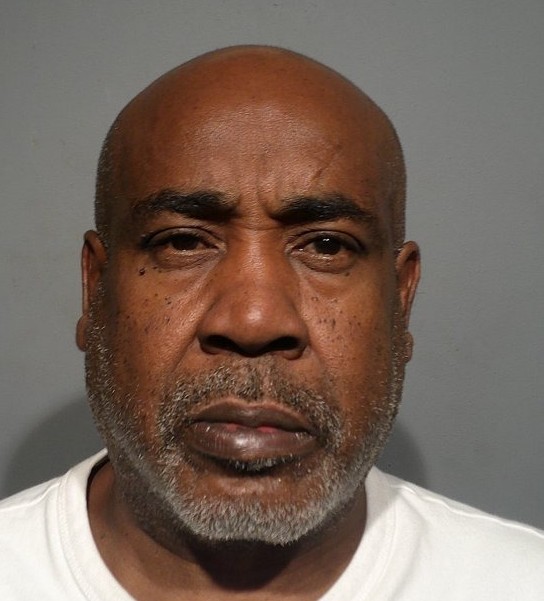
Former gang leader Duane “Keffe D” Davis has been sentenced 40 years to life in prison for his role in the 1996 killing of legendary American rapper Tupac Shakur, marking a major development in one of the most widely followed murder cases in hip-hop history.
Davis, 63, was convicted in September of murder with a deadly weapon in connection with the drive-by shooting that killed Shakur in Las Vegas on September 7, 1996. The sentencing brings a significant chapter in the long-running case to a close, although Davis has indicated that he intends to appeal the conviction.
Prosecutors argued that Davis orchestrated the attack and supplied the firearm used in the shooting, even though he did not personally fire the fatal shots. His conviction marked the first successful prosecution in a murder investigation that had remained unresolved for almost three decades.
The sentencing hearing also brought emotional testimony from members of Shakur’s family, who urged the court to impose the harshest possible punishment and described the enduring impact of the rapper’s death.
Prosecutors Accuse Davis of Boasting About Tupac’s Killing
During the sentencing hearing, prosecutor Marc DiGiacomo accused Davis of repeatedly boasting about his alleged involvement in Shakur’s murder over the years.
DiGiacomo argued that Davis had spent considerable time publicly discussing the killing, portraying his conduct as evidence of a disregard for the devastating consequences of the crime.
The prosecution maintained that Davis played a central role in arranging the attack, despite not being the person who pulled the trigger.
According to the case presented by prosecutors, Davis supplied the gun used in the shooting and helped orchestrate the events that led to Shakur being fatally wounded.
His previous statements, including comments made in media interviews and material contained in his memoir, reportedly became important elements of the case against him.
The prosecution’s argument was that Davis’s own accounts helped investigators piece together information about the killing, which had remained one of the most persistent mysteries in American music and popular culture.
The case attracted renewed attention over the years as investigators continued examining the circumstances surrounding the shooting and the people allegedly involved.
Tupac’s Sister Describes Family’s Pain
One of the most emotional moments of the hearing came when Shakur’s sister, Sekyiwa Shakur, addressed the court about the effect her brother’s death had on their family.
She described the loss as devastating, explaining that the consequences had extended far beyond the immediate aftermath of the shooting.
“The loss of Tupac, for a long time, crippled my family,” she told the court.
Sekyiwa also spoke about her brother’s ambitions and his desire to contribute positively to society, arguing that his life had been cut short before he could fulfil his potential.
“He had so much promise, intentions for a better world,” she said.
Her remarks offered a personal perspective on the loss behind a case that has remained a subject of intense public fascination for nearly 30 years.
While Shakur became a global cultural figure whose music continued to reach new generations, his family was left to live with the consequences of his death.
Sekyiwa urged the judge to impose the maximum possible sentence, telling Davis that he would have to reflect on the consequences of his actions while serving his prison term.
She argued that the impact of the killing extended beyond the immediate family to the wider public whose lives had been touched by the rapper’s music and legacy.
Tupac’s Brother Calls for Longest Possible Sentence
Shakur’s brother, Maurice Shakur, also addressed the court and called for the most severe punishment available.He urged the judge to impose “the longest possible sentence”, reflecting the family’s desire for accountability following decades of uncertainty surrounding the killing.
Davis Vows To Appeal Conviction
When Judge Carli Kierny gave Davis an opportunity to address the court before sentencing, he indicated that he would challenge the outcome.
“I’m good. I’m gonna appeal this case for sure,” Davis said.
His statement signalled that the legal battle may continue through the appeals process, even after the sentencing decision.
An appeal could lead to further scrutiny of the conviction and the legal arguments advanced during the trial. However, Davis’s stated intention to appeal does not, by itself, overturn the verdict or establish that the conviction will be reversed.
The outcome will depend on the grounds advanced and the decisions made by the relevant appellate court.
judge Says Tupac’s Future Was Taken Away
Before announcing the sentence, Judge Carli Kierny emphasised the seriousness of the crime and the permanent loss suffered by Shakur’s family.
The judge stressed that the killing had deprived the rapper of his life and future, while leaving his relatives to cope with the consequences.
“You don’t get to take a man from his family. You don’t get to take his very life, his whole future from him, and just walk away from it,” Kierny told Davis.
The judge also referred to Shakur’s enduring cultural significance, noting that the world had continued to remember him and the circumstances of his death.
“Especially when that man is Tupac Shakur. The world never forgot about him and his death,” the judge said.
the 1996 Shooting That Shocked the Music World
Tupac Shakur was 25 when he was shot in a drive-by attack in Las Vegas on September 7, 1996. He died several days later, on September 13, from his injuries.
The rapper was one of the most influential figures in hip-hop, known for songs that addressed social inequality, violence, poverty, racial tensions and personal struggles.
His death shocked the music industry and generated years of speculation about who was responsible and what led to the attack.