
BY ISSAH OLEGOR
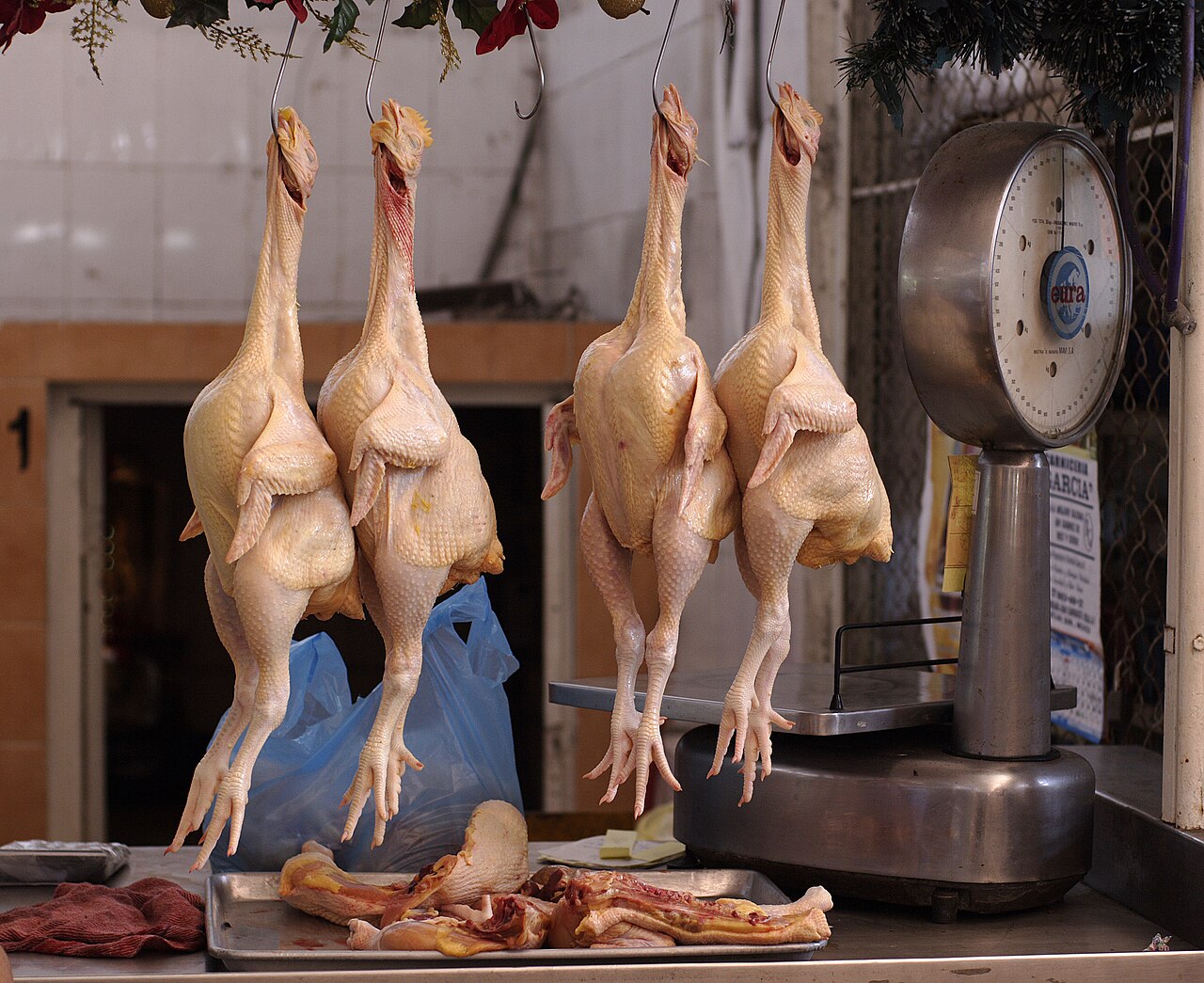
Ghanaians could pay significantly more for chicken and other poultry products during the Christmas festivities, with the Greater Accra Poultry Farmers Association projecting at least a 15 per cent increase in prices amid rising production costs.
The association says escalating prices of maize, soya and other poultry feed ingredients, coupled with increasing freight charges on imported inputs, are putting additional pressure on local farmers and threatening to push poultry prices higher during the festive season.
Chief Executive of the Association, Mohammed Ali, disclosed that consumers should prepare for price adjustments by Christmas if the cost of production continues to rise.
Speaking to Joy Business during an outreach programme at schools in Dansoman to mark World Egg Day, Ali said the expected increase had become difficult to avoid because of the rising cost of essential inputs.
“Maybe not less than 15 per cent; we must see some price change,” he stated.
The projection raises concerns about the affordability of chicken, a popular source of protein for many Ghanaian households, particularly during Christmas, when demand for poultry products traditionally increases.
Imported Feed Ingredients Push Up Production Costs
According to Ali, the high cost of poultry feed remains one of the biggest challenges confronting local producers.
He explained that a significant proportion of the ingredients used in manufacturing poultry feed are imported, leaving farmers vulnerable to international price fluctuations and rising transportation costs.
The rising cost of maize, soya and other essential inputs has increased the financial burden on farmers, many of whom must contend with higher production expenses while trying to keep their products affordable.
Ali argued that the situation could improve if Ghana increased its domestic production of maize, soya and other raw materials required by the poultry industry.
“When we are able to have an abundance locally, the feed price will surely come down. But without them, we can’t do anything about poultry feed,” he said.
His comments have renewed calls for government intervention to strengthen local agricultural production and reduce the industry’s dependence on imported inputs.
For poultry farmers, increased domestic production of feed ingredients could help reduce exposure to international market shocks, improve production planning and support more stable prices for consumers.
Farmers Demand Action Over Egg Price Differences
Beyond the anticipated Christmas price increases, the association has raised concerns about what it describes as excessive price differences between poultry farmers and retailers, particularly in the egg market.
Ali said some traders were allegedly adding as much as GH¢20 to the price of a crate of eggs, creating a significant gap between the amount farmers receive and the final price paid by consumers.
He disclosed that farm-gate prices currently ranged between GH¢40 and GH¢45 per crate, arguing that retail prices should not exceed GH¢50.
“We don’t expect an egg to go beyond 50 cedis. Take or leave,” he stressed.
The association believes that addressing the pricing disparities would help make eggs more affordable while ensuring that consumers are not burdened by excessive retail mark-ups.
Ali called on the Ministry of Trade and Agribusiness to introduce measures to improve discipline in the market and address practices that prevent eggs from reaching consumers at more reasonable prices.
However, the figures cited by the association reflect its position on appropriate retail pricing and do not establish a nationwide retail price ceiling.
Nkokor Nkitenkiti Initiative Needs Stronger Implementation
The association has also called for improvements in the implementation of the government’s Nkokor Nkitenkiti initiative, which is intended to support the poultry sector.
Ali argued that greater attention should be given to larger-scale poultry farmers, whose production volumes can have a more substantial impact on market supply.
According to him, directing support towards farmers capable of producing larger quantities could help increase domestic supply and contribute to greater stability in poultry prices.
The association believes that strengthening local production is essential to reducing the sector’s vulnerability to rising input costs and improving its ability to meet consumer demand.


