By Issah Olegor
Young people have been challenged to move beyond the classroom and take up active roles in shaping Ghana’s future through knowledge, discipline, integrity and selfless public service.
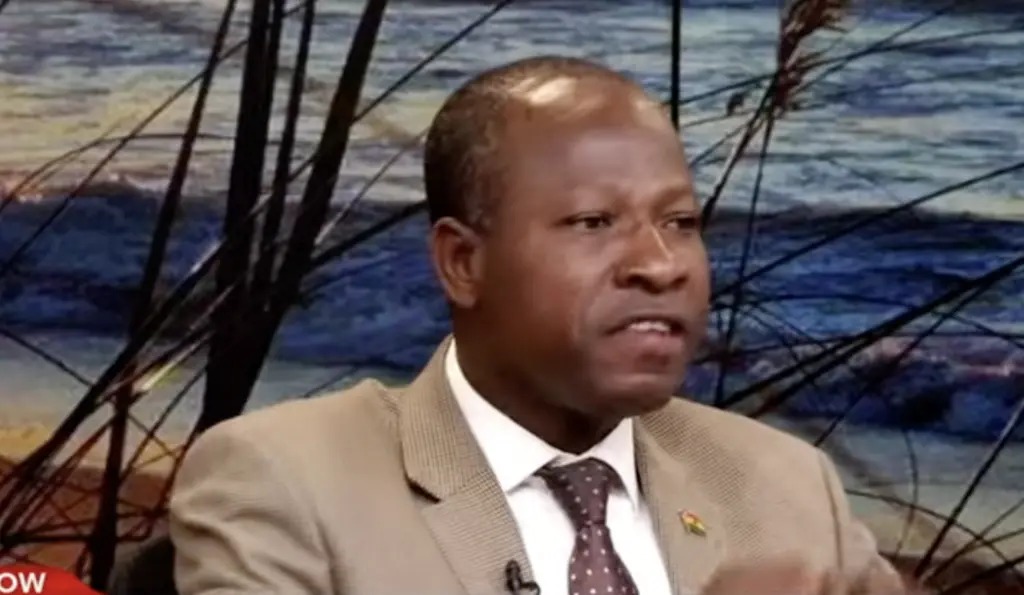
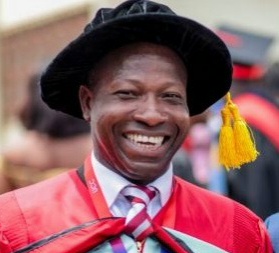
The call was made by Dr Kwabena Bomfeh Jnr, a lecturer at the University of Professional Studies, UPSA in an address delivered at a two-day Young Diplomats of Ghana summit, at the University of Ghana Business School where participants took part in diplomatic simulations, deliberations and debates on issues including digital privacy, reparatory justice, corruption and maritime disputes involving Ghana.
Addressing the delegates, Dr Bomfeh commended the participants for demonstrating the core principles of diplomacy through their ability to listen, negotiate, disagree respectfully and develop resolutions to complex international and national issues.
The speaker described their participation as an important demonstration of the leadership qualities required in real diplomatic engagements.
“You have done what real diplomacy demands — you have listened, negotiated, disagreed without being disagreeable, and drafted resolutions where there were none. That is no small thing,” the speaker stated.
Africa’s Growing Youth Population and the Leadership Challenge
The address highlighted Africa’s rapidly expanding youth population, describing it as both the continent’s greatest opportunity and a potential liability if governments fail to create the necessary conditions for young people to thrive.
According to figures cited in the address, Africa is projected to account for 42 per cent of the world’s youth population by 2030, while Ghana has a median age of 21.5 years, with more than 60 per cent of its population below the age of 30.
Dr Bomfeh argued that these figures should compel governments and institutions to prioritise youth employment, education, leadership development and meaningful participation in national decision-making.
Reflecting on Ghana’s response to youth unemployment, he recalled the introduction of the National Youth Employment Programme (NYEP) in 2006 under the administration of former President John Agyekum Kufuor.
The programme, the speaker noted, was introduced as part of efforts to address youth unemployment, which was increasingly being recognised as a national development and security concern.
Citing figures attributed to the Ghana Statistical Service for 2023–2024, the address placed youth unemployment among people aged 15 to 35 at approximately 19 to 22 per cent, with underemployment reportedly almost twice as high.
The International Labour Organisation was also cited as estimating that one in four young Africans is not in education, employment or training.
He further drew attention to Ghana’s public debt burden, arguing that debt servicing continues to place considerable pressure on government revenue and limits the resources available for development.
Against this background, the address described young Ghanaians as the most educated, connected and informed generation in the country’s history, yet one confronted with a labour market that has not adequately adapted to their aspirations and capabilities.
He criticised political cultures that celebrate young people during campaigns but often exclude them from meaningful policy discussions and decision-making processes.