By Daniel Bampoe
Ghanaians woke up to yet another round of price hikes on Wednesday, as electricity tariffs jumped by 2.45%, marking the second increase in less than three months under President John Dramani Mahama’s National Democratic Congress (NDC) administration.
The cumulative effect is already being felt nationwide, with growing discontent across political and economic lines.
This latest tariff increment brings the total rise in electricity costs since May to 17.2%, following an earlier 14.75% hike.
Water tariffs have also gone up by 4.02% within the same period.
By comparison, 2024 under the New Patriotic Party (NPP) government saw utility increases kept below 11% annually — with some relief provided through a 6.65% reduction in tariffs for lifeline consumers in the first quarter.
The escalating cost of living is now being compounded by what critics are calling the “D-Levy” — a controversial new 8% tax on fuel introduced this month.
The move comes just months after the government repealed the much-maligned 1% E-Levy on electronic financial transactions on April 2.
Many now accuse the administration of political subterfuge, describing the reversal of the E-Levy as a “well-timed April Fool’s joke.”
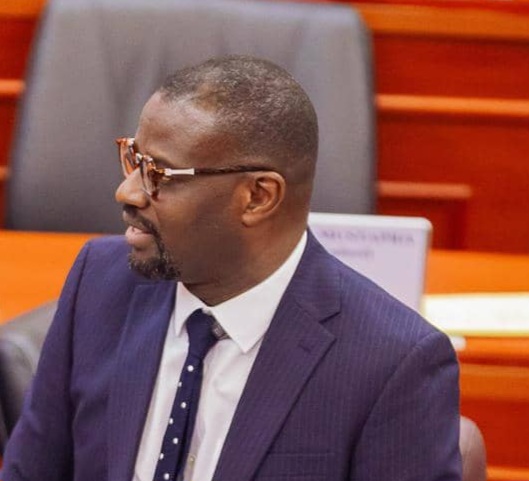
“This is not a levy on luxury or mobile money,” said Sammi Awuku, Member of Parliament for Akuapem North, in a scathing critique posted on social media.
“This is a levy on survival. It hits everyone — from the taxi driver and teacher to the tomato seller — even if you’re buying just 12 cedis worth of fuel.”
The burden of the new levy comes amid ongoing fuel price increases. On July 2, petrol prices rose by 2%, while diesel jumped by 5%, following projections by the Chamber of Oil Marketing Companies (COMAC).
For many households, these increases have further squeezed already strained incomes.
Sammi Awuku didn’t hold back in his criticism of the government’s spending priorities.
He questioned why the presidency continues to operate a private fuel pump, arguing that austerity should start at the top.
“If the government is serious about cutting costs, perhaps it should begin by shutting down the luxury fuel pump at Jubilee House,” he remarked.
He also called out the bloated size of government, noting that the list of appointees continues to swell without clear justification.
“The definition of a ‘government appointee’ is becoming as confusing as a family WhatsApp group — everyone seems to be on it,” he said sarcastically.
The backlash is growing, with the hashtags #BrokenPromises and #WeShallRemember gaining traction online.
Many Ghanaians feel betrayed by what they describe as a sharp departure from campaign promises of economic relief, accountability, and efficiency.