
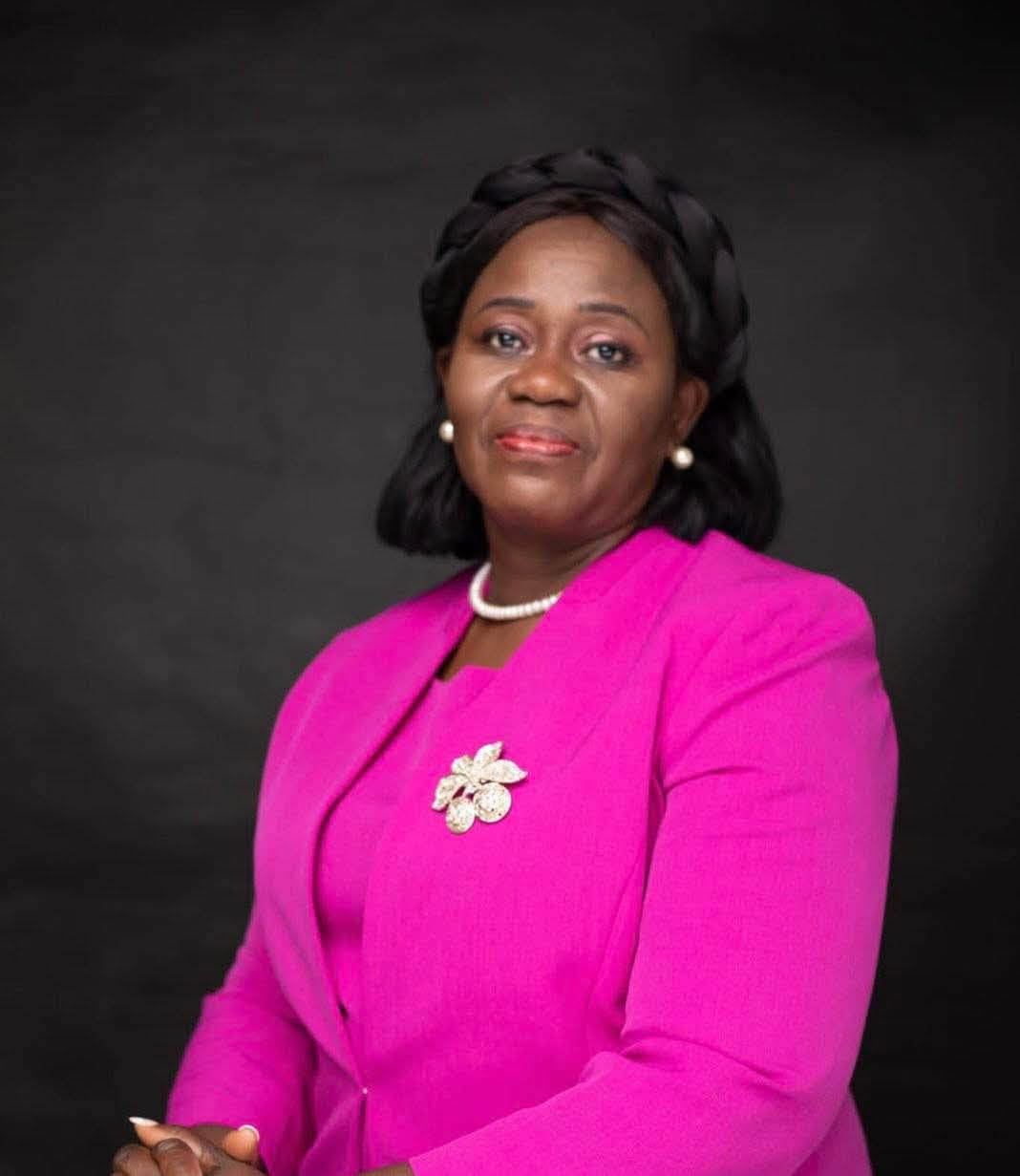
By Nadia Ntiamoah
In a move that could reshape the legal and political landscape of Ghana and West Africa, the suspended Chief Justice of the Republic of Ghana has filed an application before the ECOWAS Community Court of Justice (ECCJ), challenging her suspension from office and demanding $10 million in compensation for alleged violations of her fundamental rights.
The application, filed on June 30, 2025, is the first of its kind involving a sitting Chief Justice from a member state of the regional bloc.
It raises serious constitutional questions about the separation of powers, judicial independence, and executive accountability.
Crisis in Judicial Leadership
The legal challenge follows President John Dramani Mahama’s controversial decision to suspend the Chief Justice earlier this year, citing undisclosed allegations of misconduct.
The suspension was executed without a formal disciplinary hearing or any reference to the Judicial Council—actions critics say directly violate the 1992 Constitution.
The Chief Justice, who has so far received public support from sections of the Ghana Bar Association and civil society groups, argues that the President’s decision was not only unlawful but represents a dangerous abuse of executive authority.
According to the application, the Chief Justice contends that her suspension was politically motivated, procedurally flawed, and carried out in a manner that undermines the very essence of judicial independence—a principle central to Ghana’s constitutional democracy.
Grounds for the Legal Challenge
Relying on Article 9(4) of the ECOWAS Supplementary Protocol, which grants the Court authority to adjudicate human rights violations, the Chief Justice is asking the regional tribunal to review the constitutionality of her suspension.
She claims that her rights to administrative justice, fair hearing, and protection from arbitrary state action were trampled.
The ECOWAS Court, she argues, represents the final recourse, as domestic mechanisms have either failed or proven inaccessible in her case.
The core of her legal argument hinges on the assertion that no tribunal with legal competence has found her guilty of any misconduct, and thus, any executive action seeking to remove her from office amounts to a breach of due process.
Reliefs Sought from the Court
The Chief Justice is asking the ECOWAS Court for four primary reliefs:
1. A declaration that her suspension is unconstitutional, null, and void;
2. An order directing her immediate reinstatement to office;
3. A finding that her fundamental human rights—including the right to fair trial and judicial independence—have been violated;
4. And a compensation package of $10 million for the moral and material damages she has suffered since her removal.
Her legal team argues that the damage done to her reputation, livelihood, and the sanctity of her office cannot be ignored and demands adequate reparations.
Implications for Ghana and the Sub-Region
Legal experts say this case could have far-reaching consequences for governance and rule of law across West Africa.
If the ECOWAS Court rules in the Chief Justice’s favour, it may set a binding precedent that restrains presidential powers over the judiciary not only in Ghana but in other member states.
Civil society organizations and legal commentators view the application as a bold attempt to defend constitutionalism at a time when the independence of the judiciary is increasingly under threat in several West African democracies.
“This case is not just about one individual,” said a legal analyst at the Centre for Democratic Development (CDD-Ghana).
“It’s about protecting the judiciary from political interference and reinforcing public confidence in democratic institutions.”
The ECOWAS Court is expected to fix a date for hearing in the coming weeks.


