
BY Daniel Bampoe
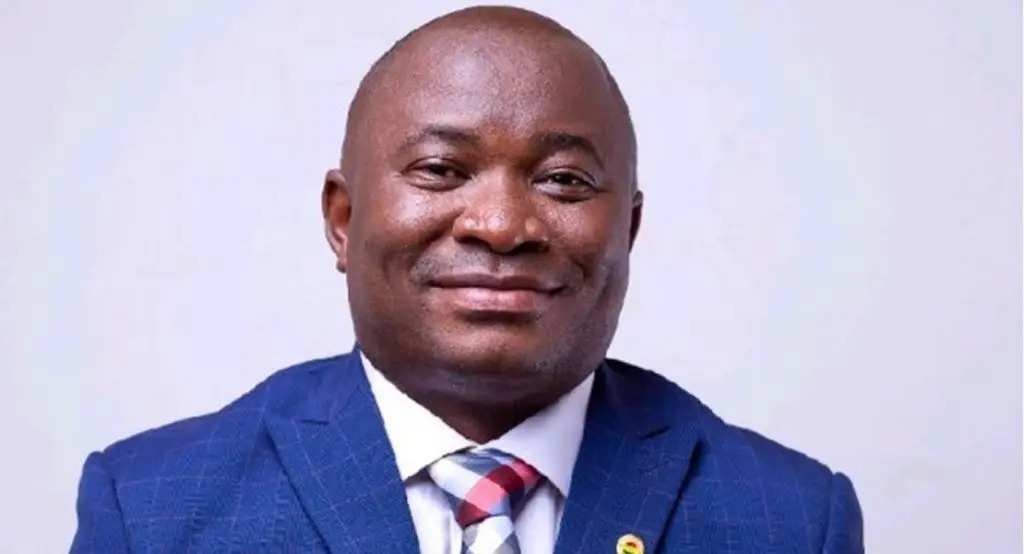
Alexander Akwasi Acquah, a former Deputy Minister of Health and Member of Parliament, has cautioned that Ghana is not yet prepared to fully wean itself off donor support, warning that any abrupt withdrawal from external assistance could severely strain the country’s healthcare system.
Speaking on JoyNews’ PM Express, Acquah said while Ghana must eventually build a self-sustaining health financing system, the current reality suggests the country still depends heavily on foreign aid to maintain critical services.
“Well, currently, I would say no, we just have to do something about it,” he stated, responding to questions about Ghana’s readiness to operate without donor support.
Concerns Over System Weaknesses
His remarks come in the wake of renewed national debate following the NDC government decision to reject a United States-backed health deal an action that has intensified scrutiny over the country’s capacity to independently fund its healthcare sector.
Acquah pointed to persistent structural inefficiencies as a major concern, recalling challenges he encountered during his tenure at the Ministry of Health.
According to him, even when donor assistance is available, systemic bottlenecks undermine its effectiveness.
“We had aid in terms of logistics from foreign partners, and we could not just clear them from the ports,” he revealed, highlighting how bureaucratic delays and taxation issues continue to frustrate the use of critical medical supplies.
He questioned the logic of attempting to fully detach from donor support while existing inefficiencies remain unresolved.
“Even the aid that is coming, we still want to take taxes on them to support our budgets, and now we say we want to wean ourselves totally from them. How do we survive?” he asked.
Abuja Commitment Still Relies On Partners
Acquah also referenced the obligations under the Abuja Declaration, which commits African countries to allocate at least 15 percent of their national budgets to healthcare.
He noted that even this benchmark assumes continued support from international partners, arguing that the framework was never designed for complete financial independence.
“This 15% declaration still demanded that there’s that level of support from developed partners,” he explained, suggesting that Ghana must be realistic about its current capabilities.
Call For Efficiency And Reform
Rather than rushing to abandon donor funding, the former deputy minister urged government to focus on addressing waste and inefficiencies within the public sector.
Echoing earlier sentiments by economist Nii Moi Thompson, he stressed the need for tighter financial controls and improved resource management.
“We may have to look into our systems and cut off all the waste, because there is a lot of waste within our public sector,” he said.
Health Sector Already Feeling The Impact
Acquah warned that the consequences of reduced donor inflows are already being felt across the health sector. He revealed that several programmes had long relied on external support for operations and motivation.
“The health sector is suffering, because I know what is happening, especially when the US and others got cut off,” he disclosed.
According to him, recent engagements with the Ghana Health Service and programme managers have underscored the urgency of reforming health financing structures to avert deeper challenges.
Window Of Opportunity for Reform
Despite the concerns, Acquah acknowledged that not all development partners have withdrawn support, offering Ghana a critical window to rethink its strategy.
“I thank God it’s only the US that is playing this kind of game with us. There are other donor agencies still with us,” he said.
He concluded by urging policymakers to use this period to strengthen domestic revenue sources and build a more resilient health system one that can gradually reduce dependence on external aid without jeopardising essential services.


