By Daniel Bampoe
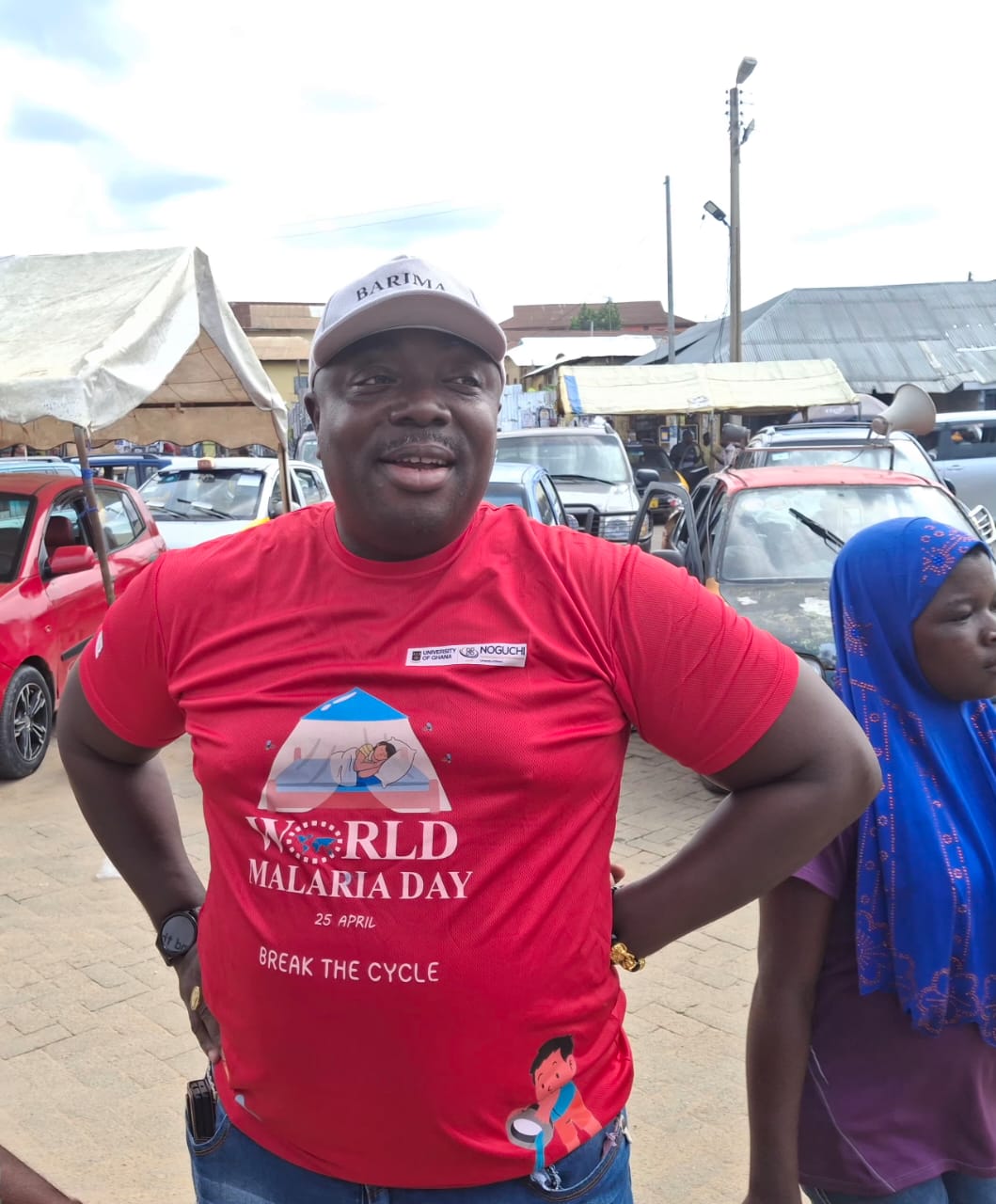
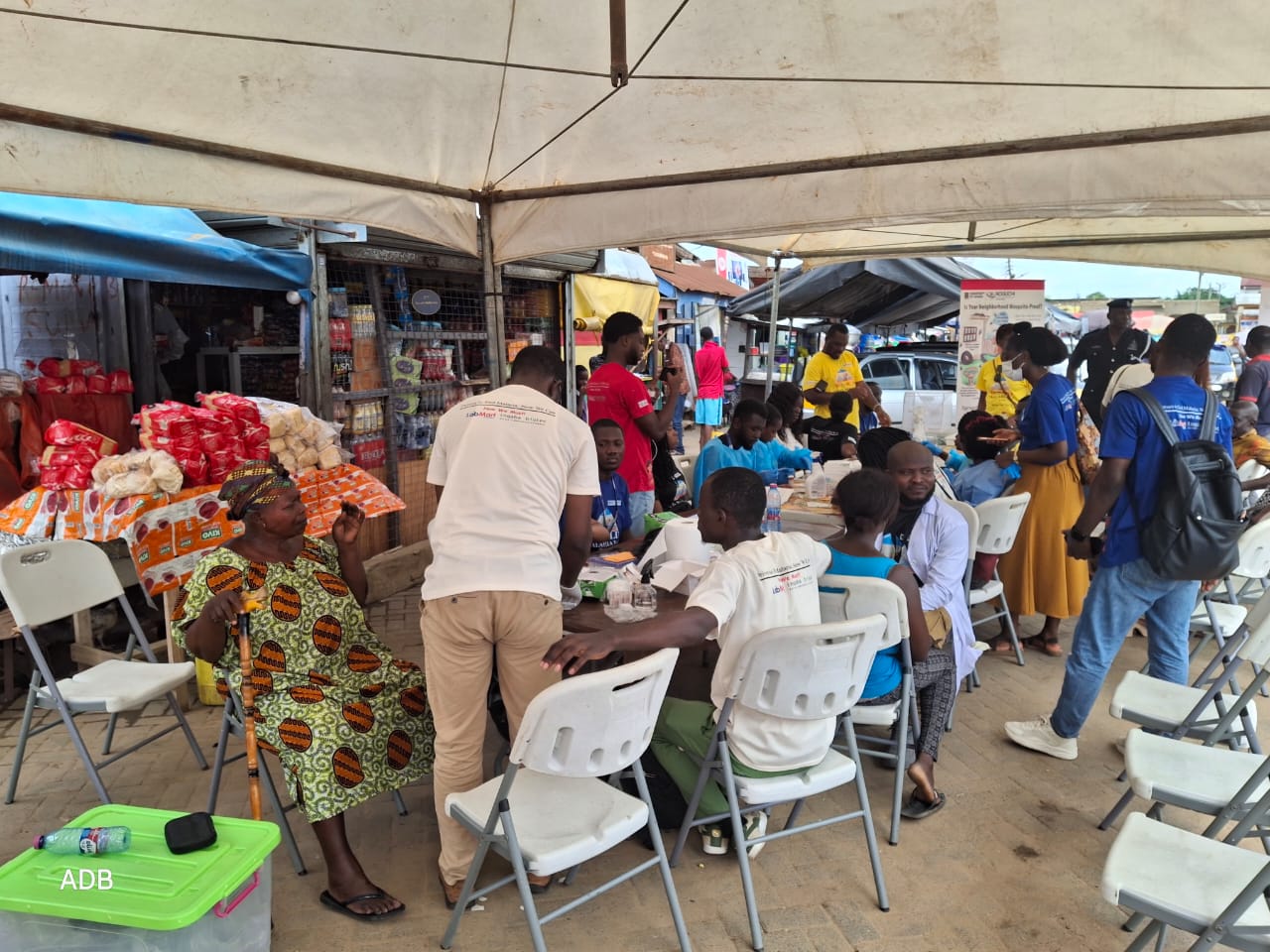
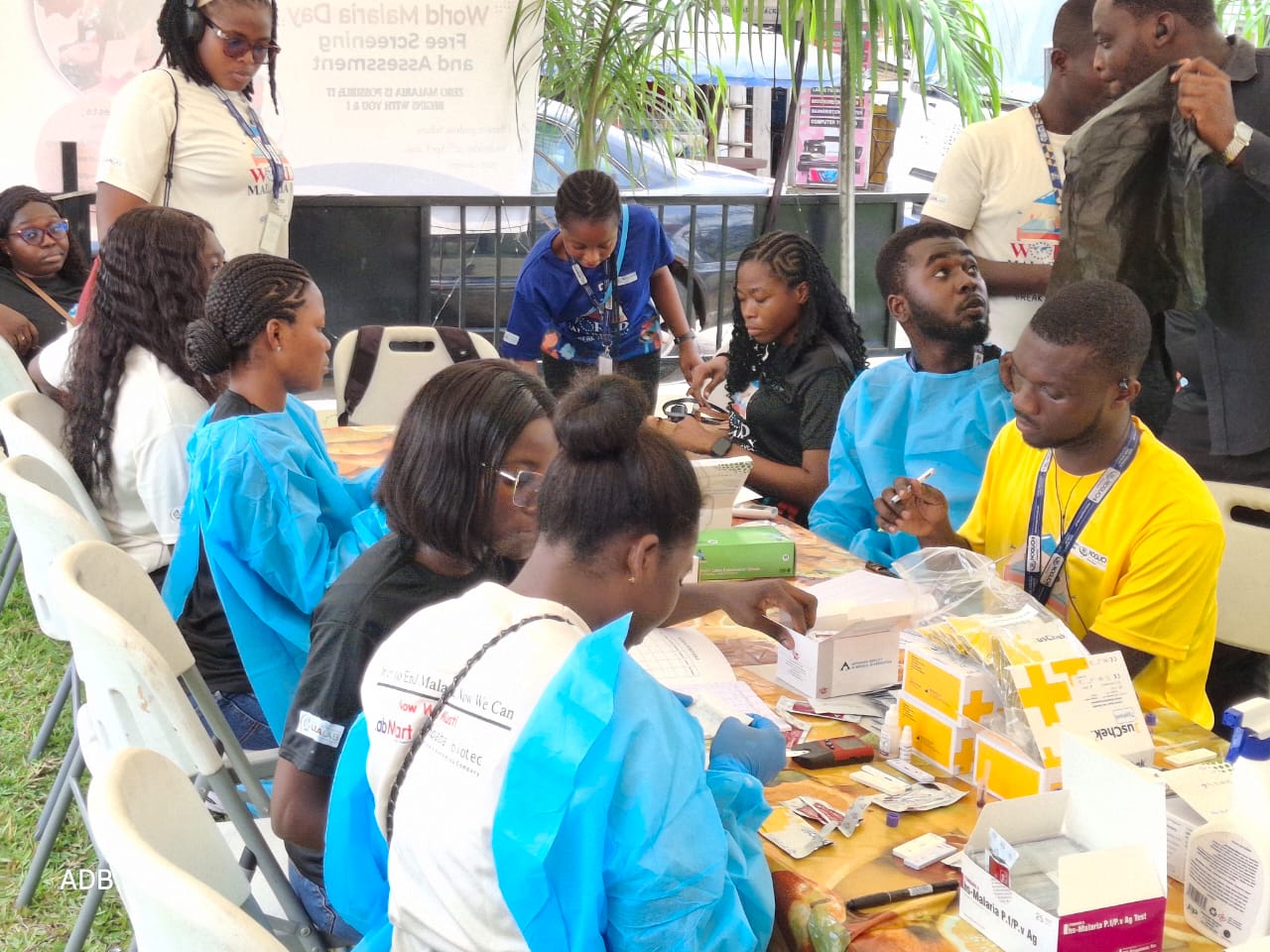
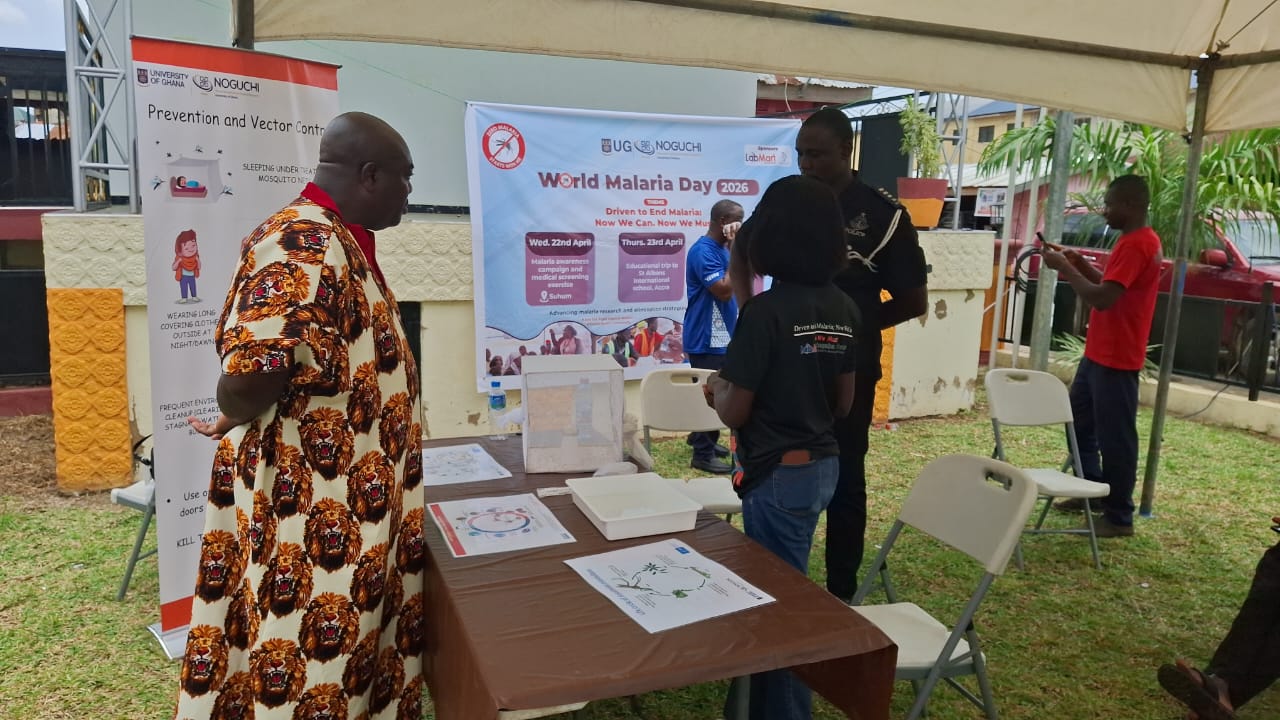
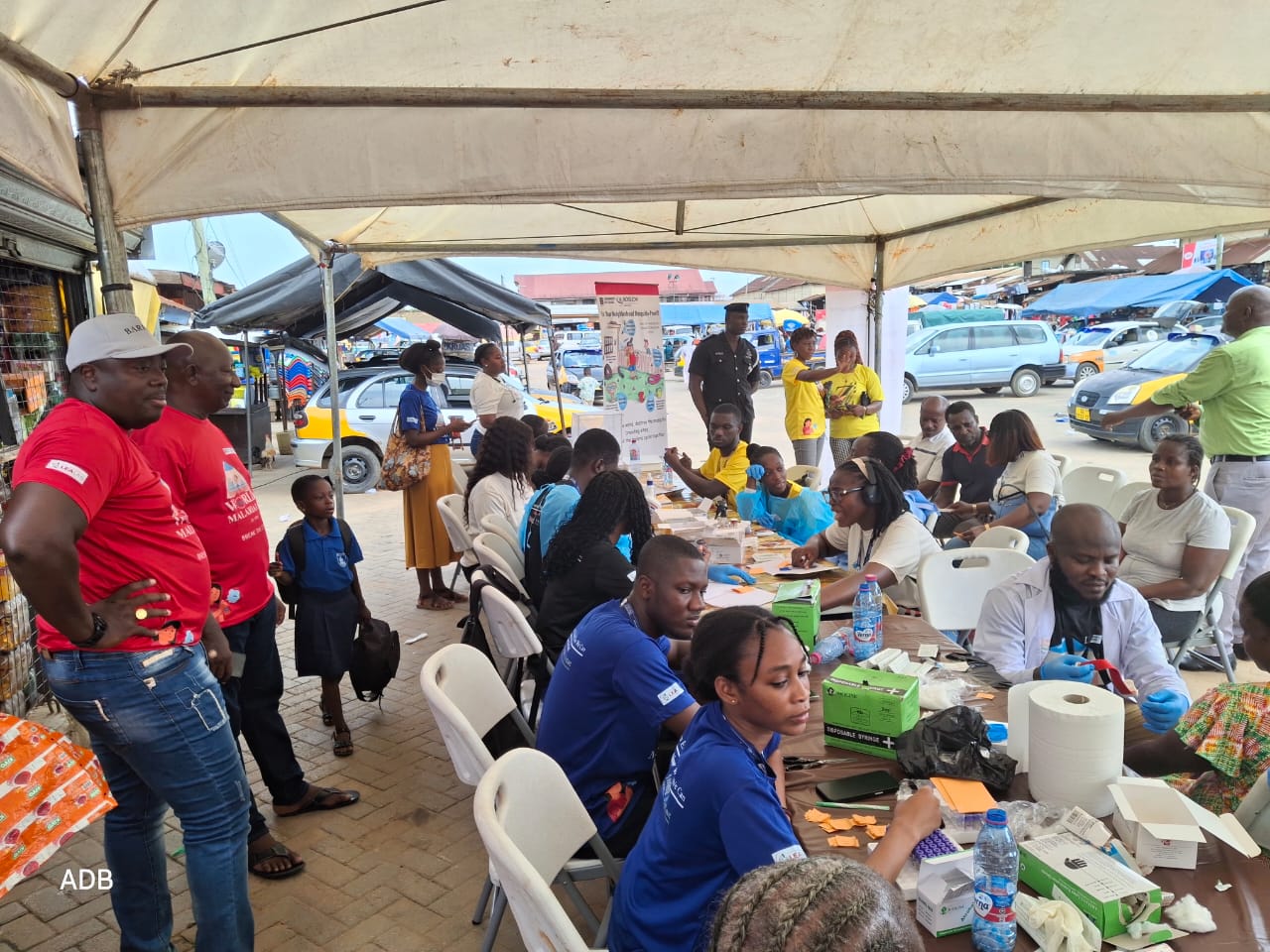
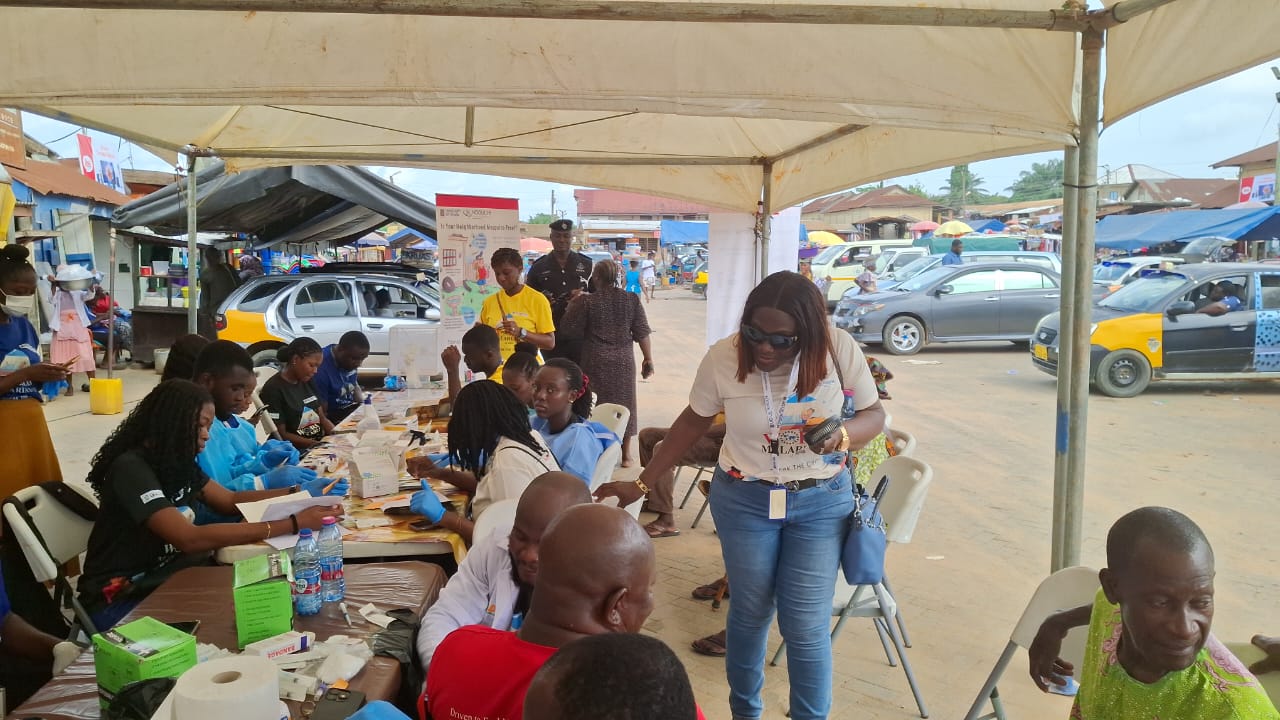
Suhum in the Eastern Region became a focal point in the ongoing fight against malaria as the Noguchi Memorial Institute for Medical Research, in collaboration with the Office of the Akyempimhene and partners including the University of Ghana and LEALAE, conducted a large-scale free medical screening and education exercise for residents to mark World Malaria Day.
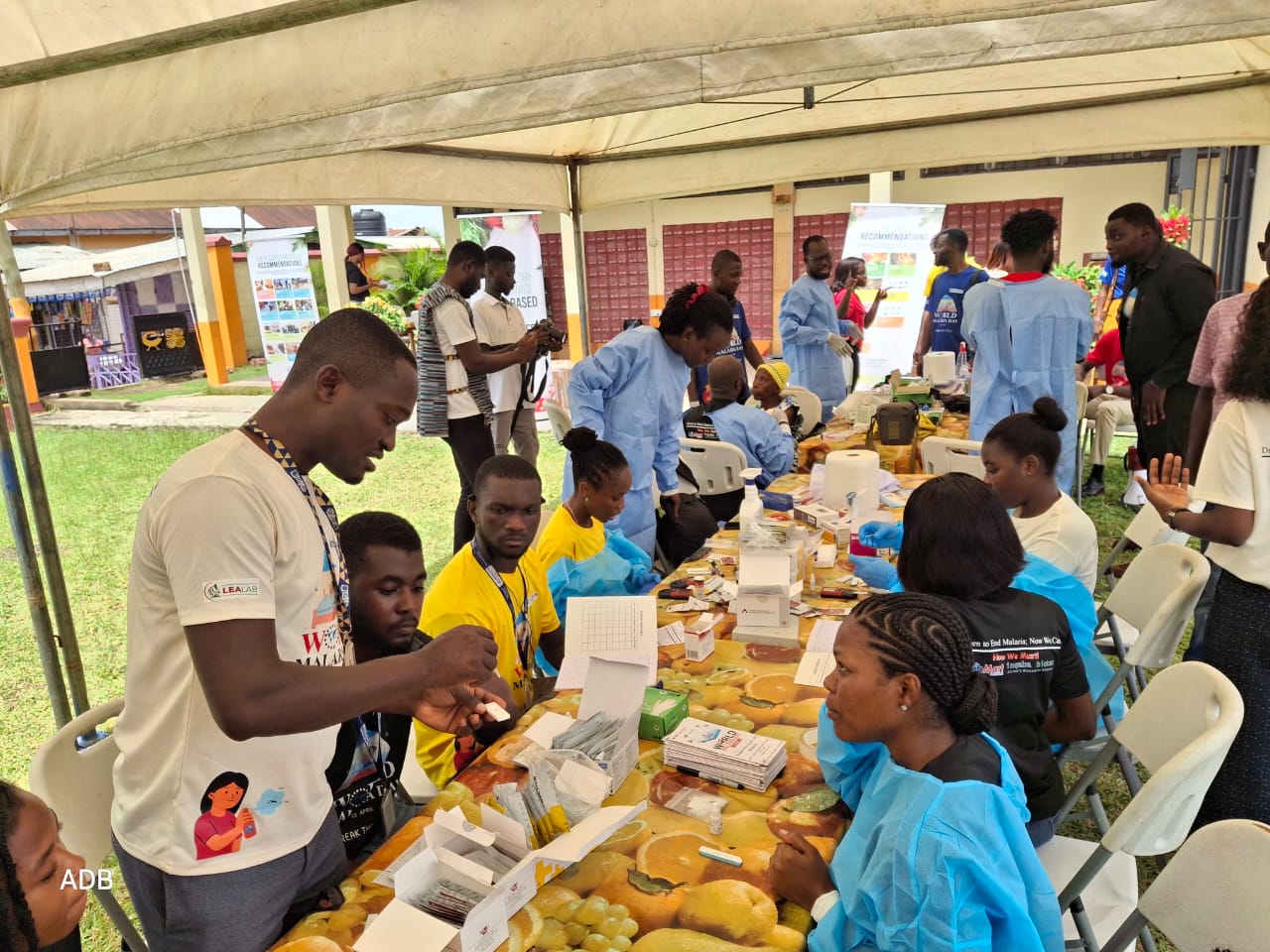
The outreach programme, held at Oheneba Gardens and the main Lorry Station, formed part of activities under the global theme “Zero Malaria is Possible: It Begins with You and I”, and targeted early detection, awareness, and prevention.
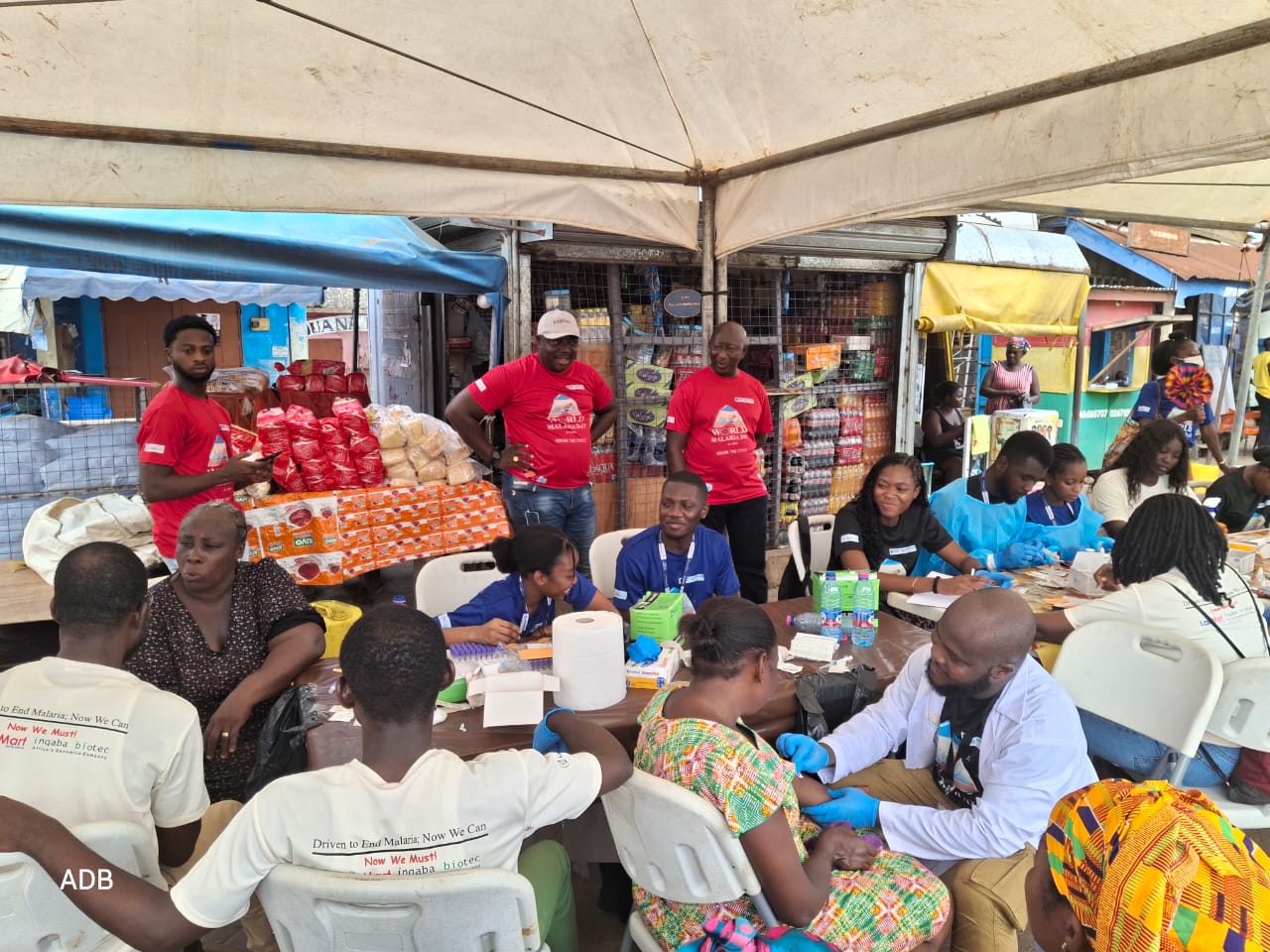
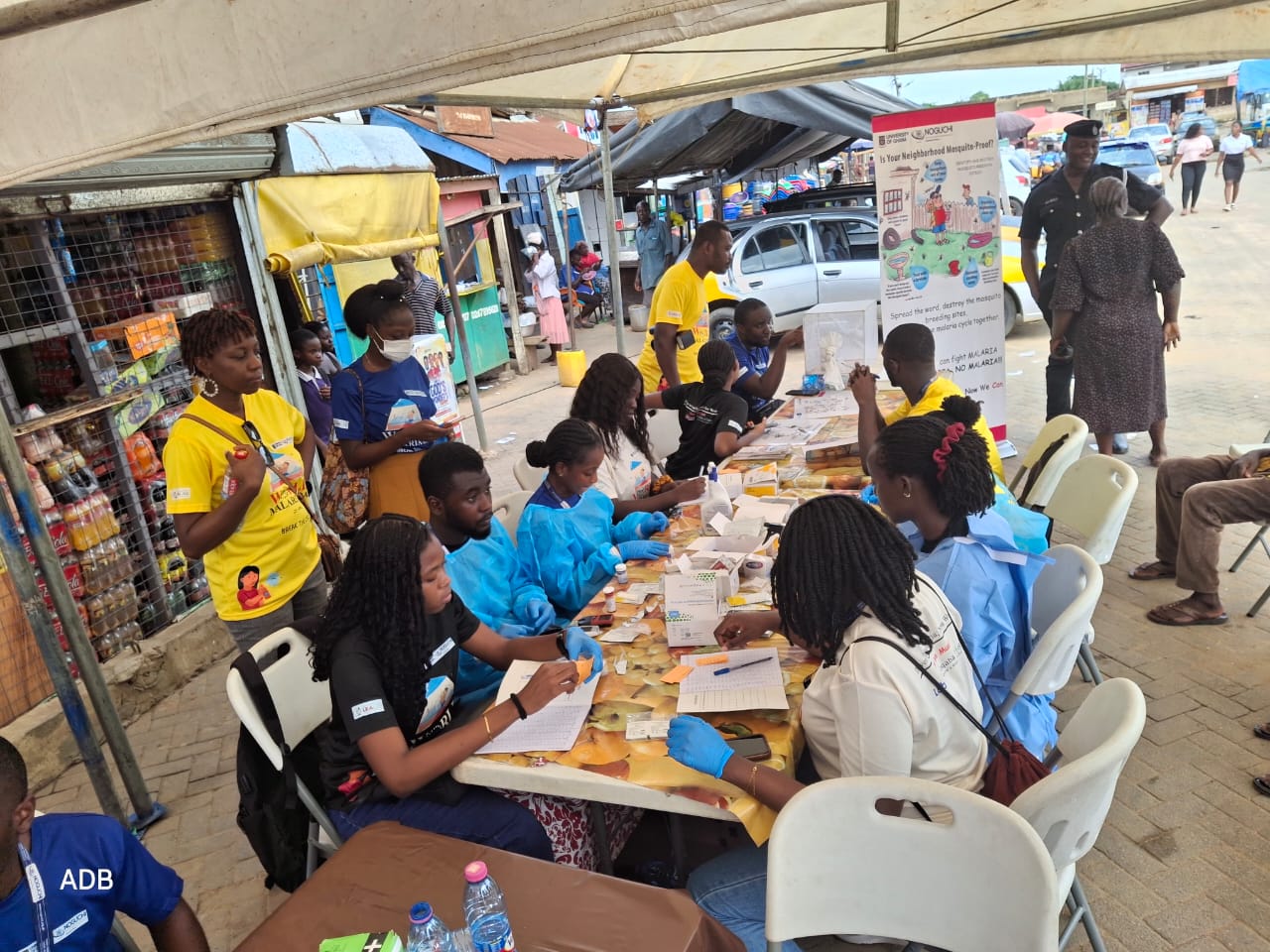
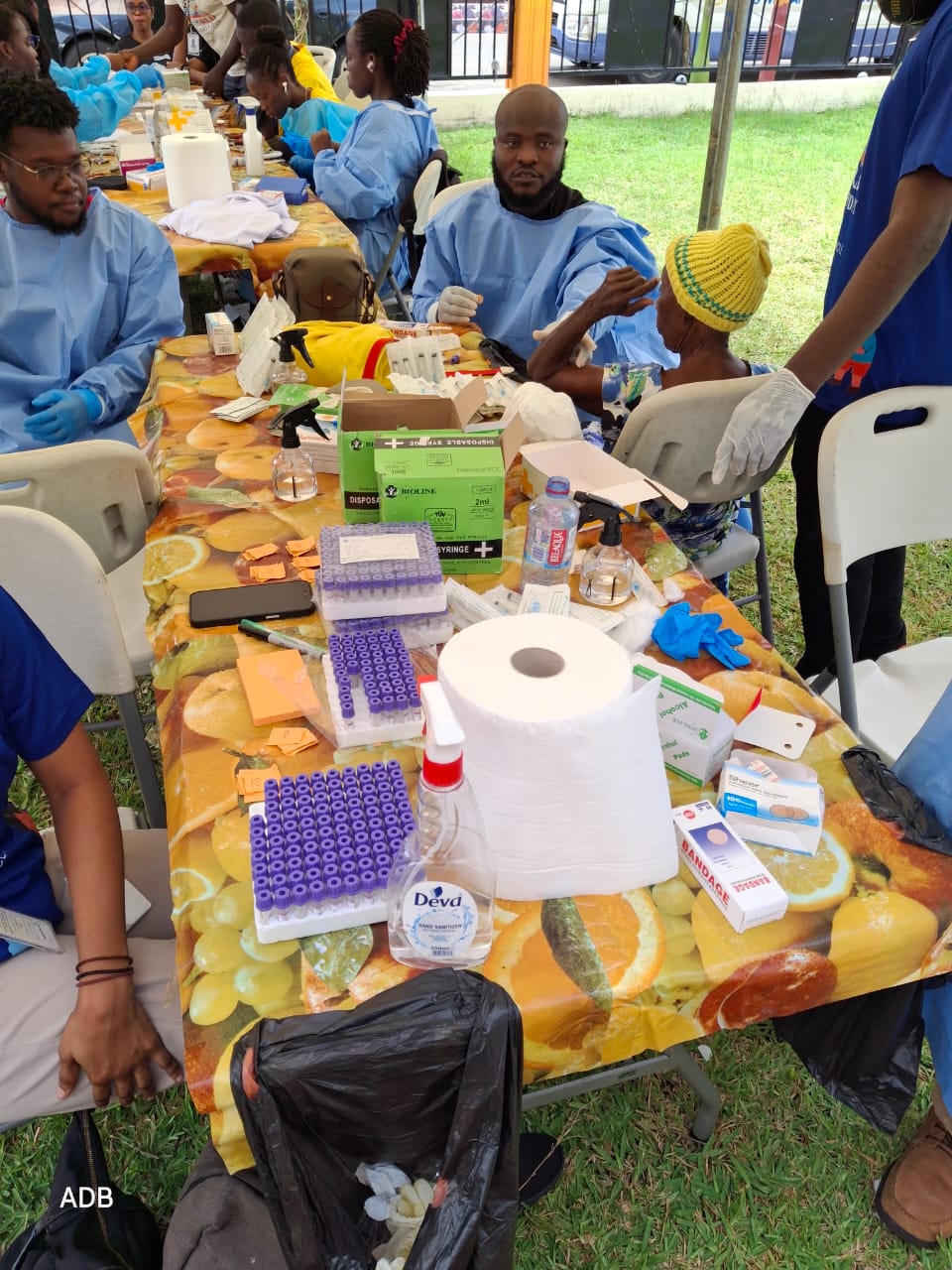
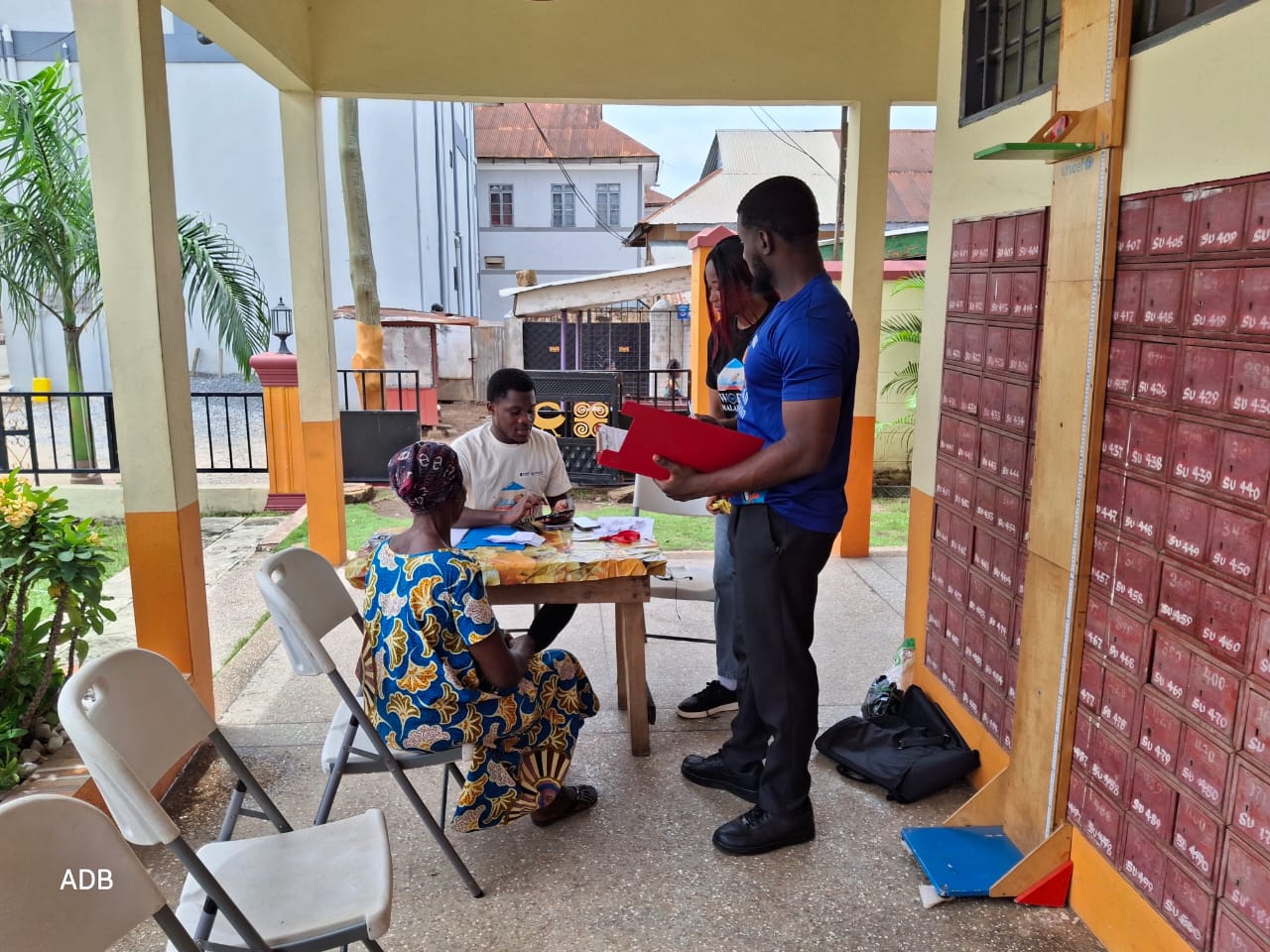
Residents were offered a range of free health services including malaria testing, Hepatitis B screening, typhoid tests, blood sugar checks, haemoglobin level assessments, and BMI screening.
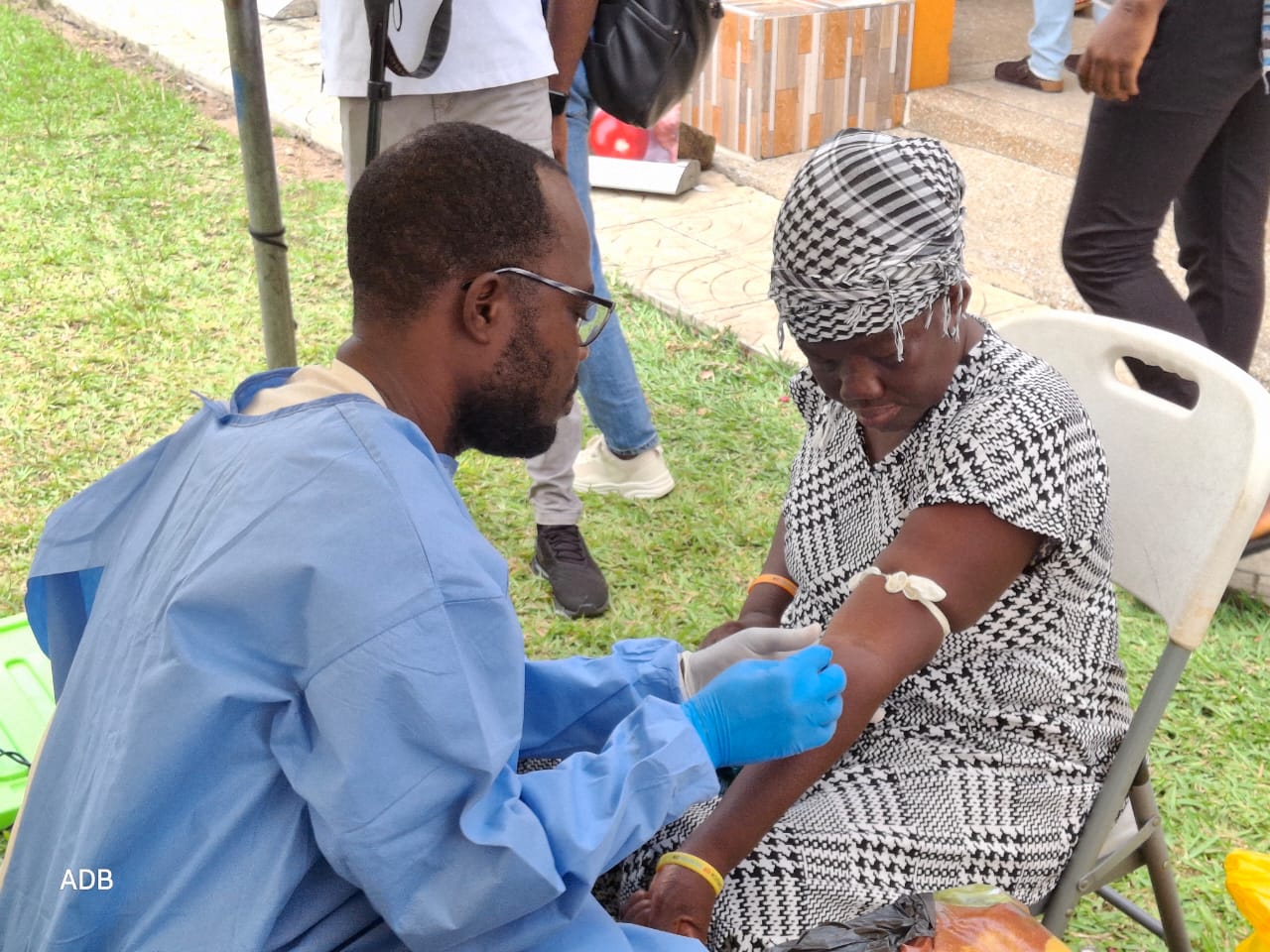
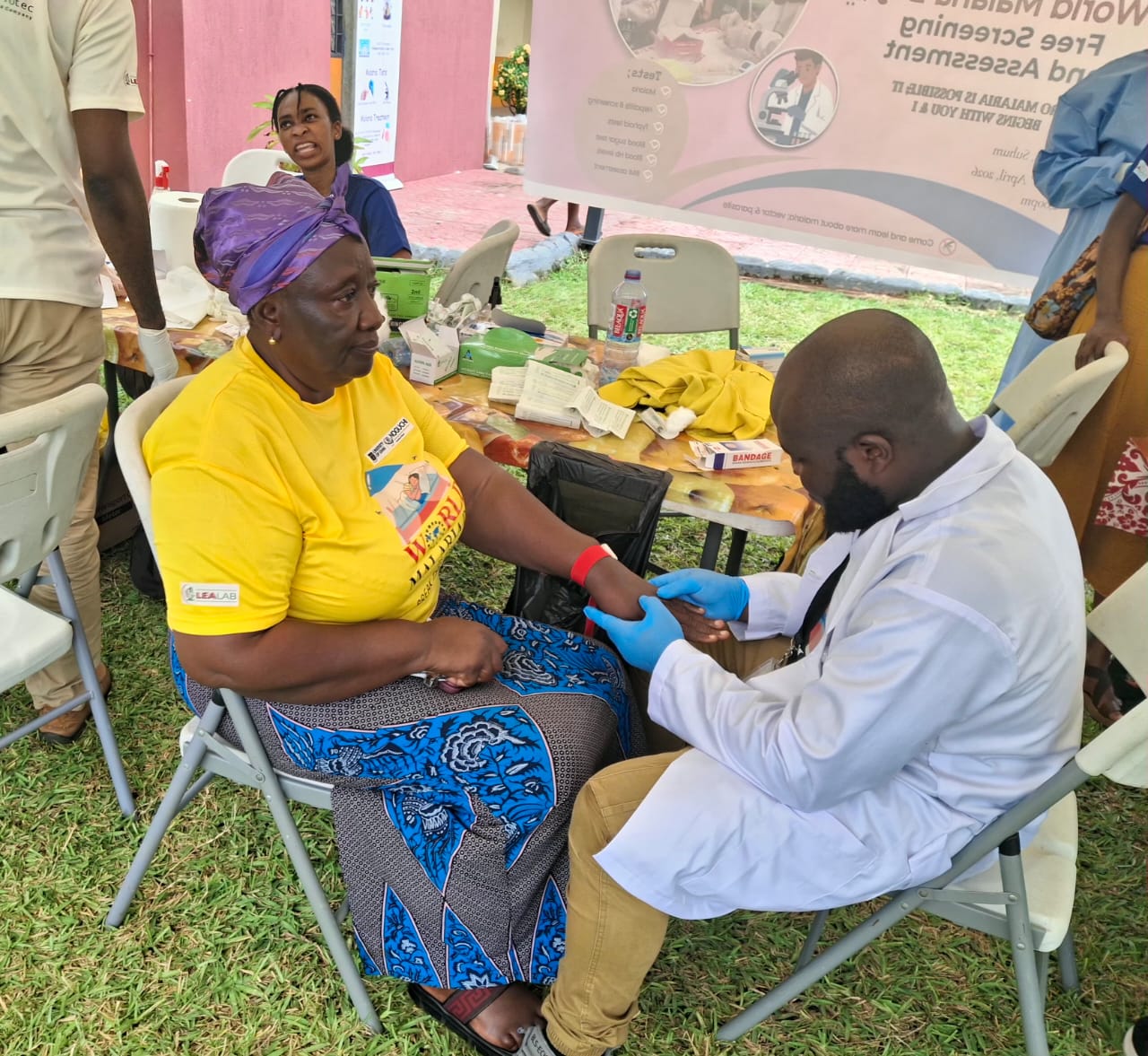
The initiative comes against the backdrop of the long-standing battle with malaria, which remains one of the country’s leading public health concerns despite significant progress in recent years. National interventions such as insecticide-treated mosquito nets, indoor spraying, and improved access to treatment have contributed to reducing prevalence levels, with some districts nearing pre-elimination stages.
However, health experts say sustained community engagement and behavioural change remain critical to eliminating the disease.
Speaking to the media during the exercise, Professor Linda Eva Amoako, of Noguchi explained that Suhum was deliberately selected due to perceptions of high mosquito activity and frequent malaria complaints among residents.
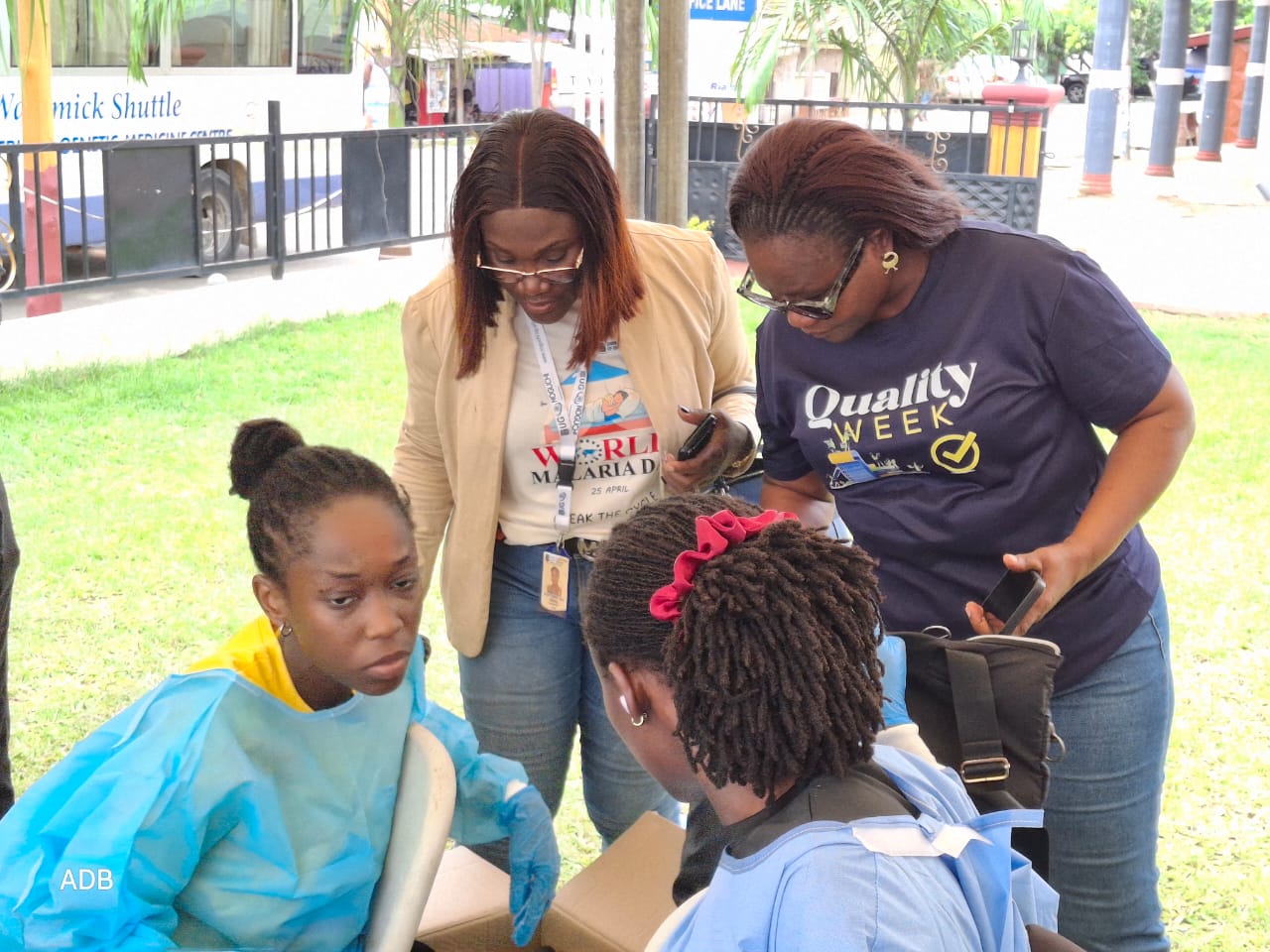
According to her, preliminary findings from the screening suggested a different narrative.
“Many people believe that because they are bitten by mosquitoes, they always have malaria. But not every mosquito carries the malaria parasite,” she clarified, noting that early results showed relatively few positive malaria cases among those screened.
She further explained that malaria is caused by the parasite Plasmodium falciparum, which is transmitted through the bite of an infected female Anopheles mosquito.
The parasite lifecycle involves movement from the liver to red blood cells, where it multiplies before being transmitted again through another mosquito bite.
Professor Linda Amoako emphasized the importance of testing and proper treatment, cautioning against assumptions.
“Not every fever is malaria. It is important to test before treatment, and once diagnosed, patients must complete their medication,” she advised.
Despite the encouraging findings in Suhum, she noted that malaria remains a national concern due to the continued presence of mosquitoes. “We live with mosquitoes, and once they carry the parasite, transmission continues. Prevention is key—sleep under mosquito nets, use repellents, and maintain clean surroundings,” she added.
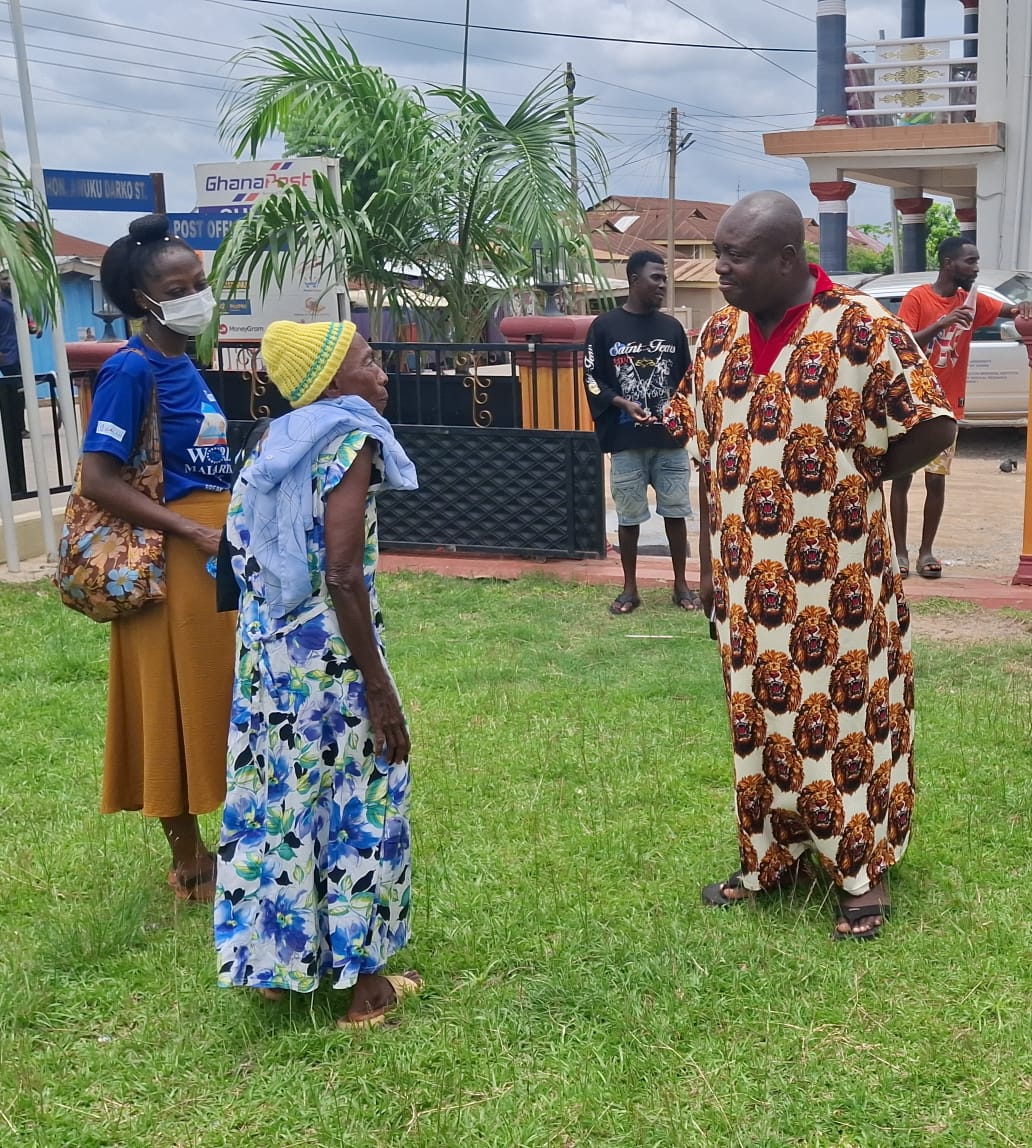
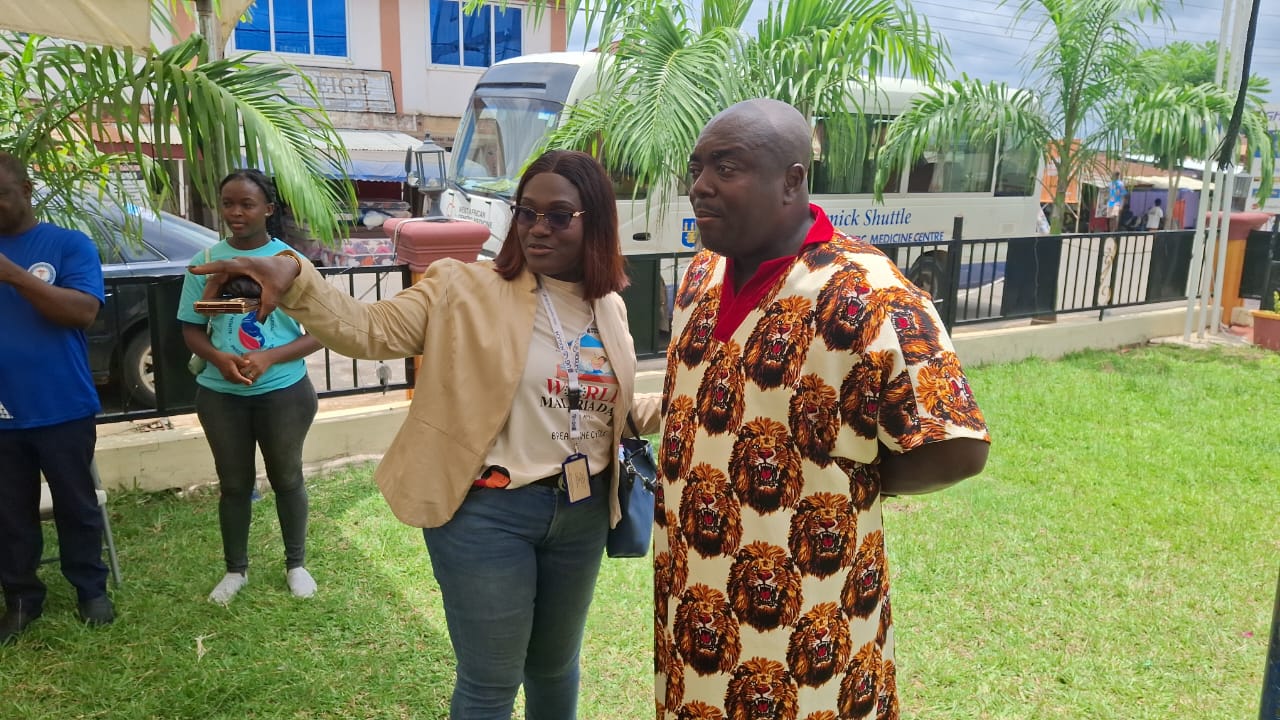
On his part, the Akyempimhene of Suhum, Barima Amoako Darko, welcomed the initiative and underscored the role of traditional leadership in promoting public health.
“As chiefs, our responsibility is to ensure the wellbeing of our people. Governments and officials may come and go, but traditional leaders remain with the people. Health is fundamental to development, and we are proud that Suhum was chosen for this important exercise,” he said.
He used the occasion to highlight sanitation challenges within the municipality, particularly at the local market, which he described as a potential breeding ground for mosquitoes if not properly maintained.
He urged traders and residents to actively participate in regular clean-up exercises organized in collaboration with the municipal assembly.
“Clean environments are essential in preventing diseases. I encourage everyone, especially market women, to support sanitation efforts. It benefits all of us,” he stressed.
The screening exercise drew hundreds of residents, reflecting growing public interest in preventive healthcare and community-based interventions.