By Daniel Bampoe
The John Dramani Mahama-led National Democratic Congress (NDC) government is facing mounting pressure over Ghana’s growing association with international cocaine trafficking following the seizure of another 2.6 tonnes of cocaine by Spanish authorities in a shipment of coconuts originating from the Tema Port, bringing renewed attention to a series of major drug interceptions recorded since the administration assumed office in January 2025.
The latest interception at Spain’s Port of Valencia, announced on November 11, 2026, has intensified concerns about the possible exploitation of Ghana’s export channels by international drug trafficking networks, with the opposition New Patriotic Party (NPP) estimating that cocaine consignments intercepted abroad between March 2025 and October 2026 alone carried a street value of between US$1.3 billion and US$1.7 billion. The new arrest shoots the figures to over $2billion.
The development has also revived allegations by the Minority in Parliament that billions of dollars’ worth of narcotics have been trafficked through Ghana-linked supply chains under the current administration, with the Ranking Member on Parliament’s Defence and Interior Committee, Rev. John Ntim Fordjour, recently putting the value of drugs seized abroad at more than US$3 billion.
In the latest Spanish operation, two men were arrested in the province of Almería after investigators tracked two shipping containers loaded with coconuts at the Tema Port on August 2, 2026, and dispatched to Valencia, where they arrived on August 22.
According to Spanish authorities, customs officials and officers of the Guardia Civil selected the containers for inspection after identifying them as presenting a high risk of drug trafficking. A search uncovered packages of cocaine concealed beneath specially constructed false bottoms in the wooden crates used to transport the coconuts.
After confirming the substance as cocaine, investigators removed the drugs but kept the containers sealed and monitored their movement to identify the intended recipients. The surveillance operation led officers to two refrigerated trucks transporting the cargo to a warehouse at the La Juaida industrial estate in Almería.
The two suspects were arrested as the goods were being unloaded. They were identified as the suspected importer of the consignment and the individual responsible for supervising the unloading. Spanish authorities have not announced any arrests in Ghana or identified Ghanaian nationals as suspects in the case.
The Valencia seizure is the latest in a growing list of international narcotics interceptions involving consignments originating from Ghana, raising questions about the effectiveness of security arrangements at the country’s ports and the activities of criminal networks exploiting legitimate commercial exports.
In June 2025, Dutch authorities intercepted approximately 4,500 kilogrammes of cocaine concealed in a timber shipment from Ghana at the Port of Amsterdam. The seizure was described as the largest in the port’s history at the time.
In November 2025, Belgian authorities discovered another 2,829 kilogrammes of cocaine concealed in cassava flour shipped from Tema at the Port of Antwerp. A further 1,158 kilogrammes was intercepted at the same port in December 2025.
The seizures continued in 2026, with Australian authorities reporting the interception of approximately 320 kilogrammes of illicit drugs, valued at about US$210 million, concealed in a charcoal shipment from Ghana.
In September 2026, French customs authorities seized nearly 3.9 tonnes of cocaine at the Port of Dunkirk, concealed in a container declared as plastic waste and shipped from Ghana. The consignment was estimated to have a street value of approximately €225 million, equivalent to about US$261 million.
The Dunkirk operation triggered investigations in Ghana, leading to the arrest and prosecution of several suspects, including four Ghanaian nationals reportedly charged in connection with the case. The investigation also raised concerns about possible weaknesses in container scanning and clearance procedures at the Tema Port.
Another major interception occurred on October 31, 2026, when Lebanese authorities arrested a Syrian national at Beirut’s Rafic Hariri International Airport after arriving from Accra aboard Middle East Airlines flight MEA 576. Approximately 46.7 kilogrammes of cocaine were discovered in two suitcases fitted with electronic tracking devices.
NACOC subsequently explained that the consignment had been allowed to leave Ghana as part of a controlled delivery operation intended to identify other members of the trafficking network. The explanation, however, generated controversy, with the NPP questioning the circumstances surrounding the operation and demanding greater transparency about the alleged arrests made in Ghana.
Another arrest was made in South Africa when a traveler from Ghana was picked with cocaine upon arriving at the Oliver Thambo International Airport in Johannesburg.
NPP Puts Cocaine Value At Up To $1.7bn
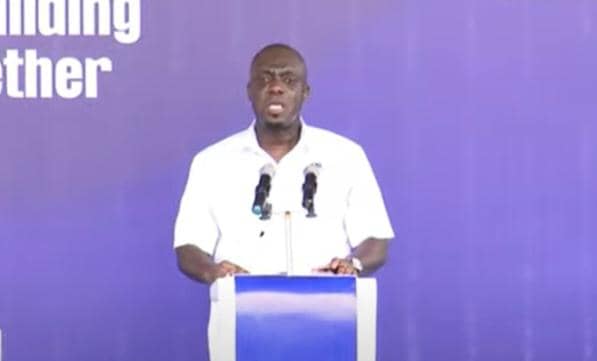
The growing number of seizures prompted the NPP to hold a press conference on November 4, 2026, at its national headquarters in Accra, where its Second National Vice Chairman, Henry Nana Boakye, popularly known as Nana B, accused the Mahama administration of failing to protect Ghana’s international reputation.
Speaking under the theme, “From Dunkirk to Beirut: Ghana Cannot Wait Any Longer,” Nana Boakye disclosed that the party had identified at least 14 major cocaine and other narcotics interceptions between March 2025 and October 2026.
According to the party’s assessment, seven of the interceptions occurred within Ghana, involving approximately 3.6 tonnes of cocaine, while more than 12 tonnes linked to Ghana had been seized abroad, including at Amsterdam, Antwerp, Dunkirk and Beirut.
The NPP estimated the street value of cocaine intercepted overseas alone at between US$1.3 billion and US$1.7 billion and described the situation as a serious national security threat.
The party further accused government of failing to hold the leadership of key security institutions accountable despite the recurring interceptions. It demanded the removal of the heads of the Narcotics Control Commission (NACOC), Ghana Airports Company Limited (GACL), Ghana Ports and Harbours Authority (GPHA) and National Security, alongside a bipartisan parliamentary investigation into all Ghana-linked cocaine seizures.
Mahama’s Security Meeting And The Missing Roadmap
The Dunkirk seizure had earlier compelled President Mahama to convene an emergency meeting with security chiefs on September 17, 2026, following which he established an inter-agency task force to examine weaknesses in Ghana’s narcotics detection and border security systems.
The task force was reportedly given two weeks to produce a roadmap outlining measures to prevent drug trafficking through the country’s ports, airports and borders. The deadline expired on October 1, but the NPP has complained that the roadmap has not been made public.
The party also questioned the effectiveness of additional security measures introduced at the Accra International Airport, including the deployment of NACOC officers to screen travellers.
Ntim Fordjour Alleges Over Us$3 Billion In Drug Seizures
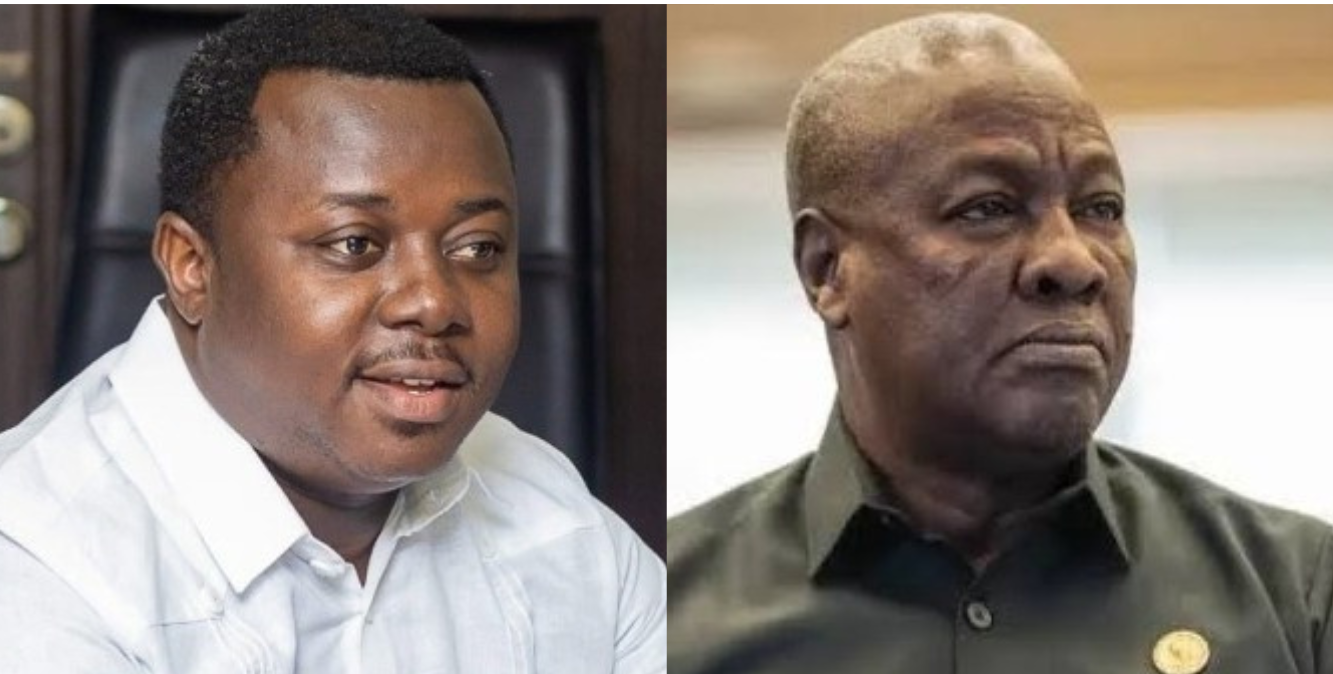
The latest Spanish interception has also prompted fresh criticism from Rev. John Ntim Fordjour, the Assin South MP and Ranking Member on Parliament’s Defence and Interior Committee.
In a November 12, 2026, post on X, he challenged President Mahama to provide an update on investigations into the alleged Gran Canaria cocaine flights and questioned the government’s commitment to its zero-tolerance policy on narcotics trafficking.
Rev. Ntim Fordjour claimed that more than US$3 billion worth of drugs linked to Ghana had been seized overseas under the current administration, with several other consignments allegedly passing undetected.
He also cited Ghana’s reported position as the fifth-largest country of origin for cocaine seized at Belgium’s Port of Antwerp in 2025, although the classification refers to the country from which shipments were dispatched rather than where the drugs were produced.
The lawmaker further questioned why the government had not cancelled the direct shipping arrangement between the Tema Port and Colombia’s Port of Cartagena, an agreement he attributed to Foreign Affairs Minister Samuel Okudzeto Ablakwa.
He alleged that government officials and state agencies were benefiting from the narcotics trade but did not provide evidence to substantiate the accusations.
Cocaine Scandal Becomes Major Test For Mahama
The recurring seizures have placed the government’s management of port security, international shipping and narcotics control under increasing scrutiny.
While the NPP has demanded immediate institutional changes and parliamentary investigations, the latest Spanish case presents a fresh challenge because the cocaine was concealed in legitimate agricultural exports that passed through Ghana’s principal seaport.
The distinction between the different financial estimates is also significant. The NPP’s US$1.3 billion to US$1.7 billion figure relates to its assessment of cocaine seized abroad, while Rev. Ntim Fordjour’s claim of more than US$3 billion covers drugs generally. Neither figure represents an independently established official valuation of all narcotics trafficked through Ghana.