By Grace Zigah
The Ayawaso East parliamentary primary held on Saturday, February 7, 2026, has plunged Ghanaian politics into unprecedented turmoil, exposing systemic weaknesses within party structures, raising questions about the ruling NDC’s commitment to ethical governance, and triggering a real-time investigation by the Office of the Special Prosecution (OSP).
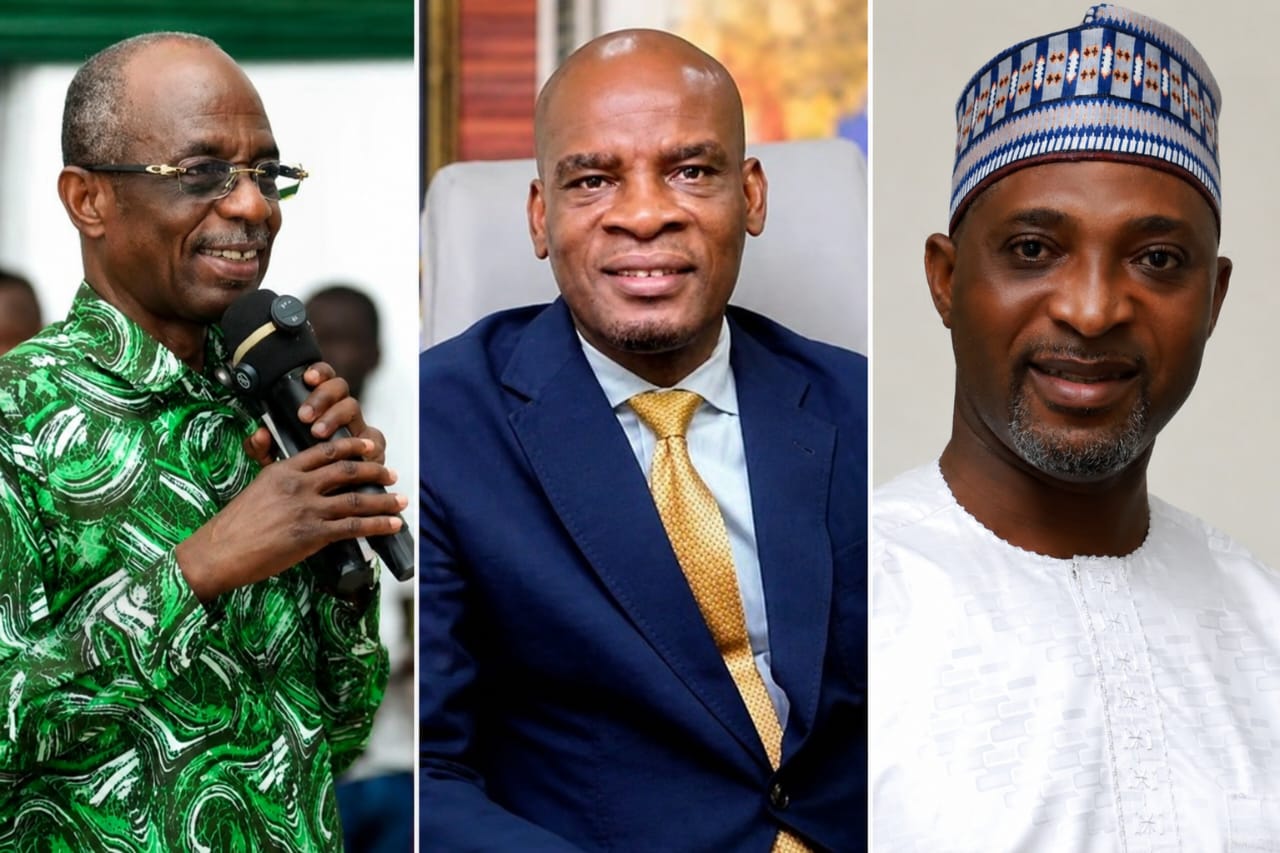
The primary, which saw Mohammed Baba Jamal Ahmed, Ghana’s High Commissioner to Nigeria, emerging victorious with 431 votes, were marred by widespread allegations of vote buying, inducements, and electoral misconduct.
Baba Jamal narrowly defeated Hajia Amina Adam, the widow of the late MP Mahama Naser Toure, who received 399 votes.
Hajia was said to have received support from the Jubilee House which is located at the constituency. NDC Majority MPs also mobilized cash for Hajia Amina ahead of the primary.
Other candidates included Mohammed Ramne (88 votes), Dr. Yakubu Azindow (45 votes), and Najib Mohammed Sani (1 vote).
Extravagance And Alleged Bribery
Reports and social media evidence indicate that delegates received cash, television sets, food items including “kosua ne meko (eggs and pepper),” and even motorbikes in the days leading up to the primary.
Videos showing about 130 motorbikes being distributed to electoral areas days before the election amplified public anger and sparked accusations of systematic vote manipulation.
Baba Jamal admitted to giving goodies plus a 32-inch TV to delegates, framing the action as gifts rather than inducements.
Similarly, reports claim Mohammed Ramne and Hajia Amina Adam each gave GH₵3,000, highlighting the scale and uniformity of the alleged misconduct.

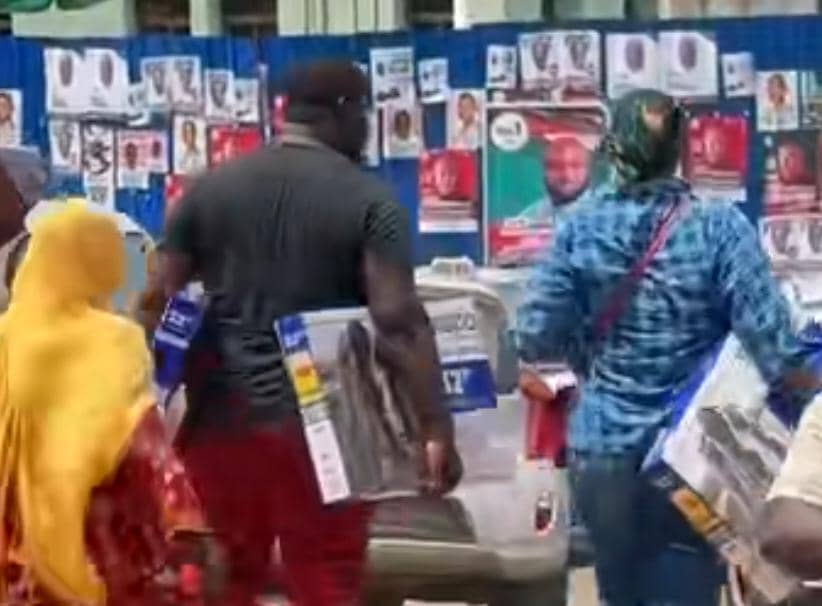
The extravagance has provoked public outrage, with citizens and political commentators asserting that the NDC has gone beyond the excesses it once condemned while in opposition, betraying its “reset agenda” of probity, accountability, and ethical political conduct.
Meanwhile, Greater Accra Regional Minister Linda Ocloo denied allegations of involvement in the primary or support for any aspirant.
Her office clarified that her presence in Ayawaso East, Nima was purely official, linked to security briefings and a condolence visit following the death of the late MP, and that reports suggesting partisan involvement were “false, inaccurate, and misleading.”
Presidency And Party Reactions
President John Dramani Mahama after receiving the report of the large scale bribery responded by recalling Baba Jamal from his diplomatic post in Nigeria, citing the High Commissioner’s status as the only serving public officer among the aspirants, in order to “preserve the integrity of public office” and avoid conflicts with the Government’s Code of Conduct for Political Appointees.
The move has been criticized as selective and symbolic, since Baba Jamal would have vacated his diplomatic post after winning the primary regardless.
Critics argue that other candidates involved in inducements or bribery, including Hajia Amina Adam, have escaped scrutiny, despite holding positions in state-linked bodies such as the Hajj Board, Lands Commission, and Sankofa Prestea Mines.
Probe Committee
The NDC quickly constituted a three-member investigative committee led by Kofi Totobi Quakyi, former National Security Minister with Mahama Ayariga, Majority Leader and lawyer Emefa Fugah, to probe the allegations.
The committee is expected to report its findings by Tuesday, February 10, 2026.
The General Secretary, Fifi Fiavi Kwetey, assured the public of the party’s commitment to transparency and ethical conduct, though skeptics view the statement as a public relations gesture rather than decisive action.
Musa Dankwa’s Predictions Vs Reality
Political analyst Musa Dankwa had projected that Hajia Amina Adam would win the primary, with Baba Jamal expected to secure 38 percent of votes.
The results contradicted these projections, with Baba Jamal attaining 45 percent, four points above the predicted margin of error.
Analysts suggest that material inducements and gifts likely influenced delegate behavior, underscoring the limits of data-driven predictions when confronted with entrenched political practices.
Office of the Special Prosecutor Investigates
Adding to the political storm, the Office of the Special Prosecutor (OSP) announced on February 8, 2026, that it had launched a real-time investigation into the Ayawaso East primary.
This followed a similar inquiry into the NPP presidential primary held on January 31, 2026, focusing on allegations of vote buying, vote selling, and the sources of funding for these alleged corrupt acts.
The OSP further revealed that during the conduct of the NDC primary, Baba Jamal allegedly abetted thugs to physically attack an OSP officer who was serving an investigative directive regarding vote buying.
The OSP has opened an additional investigation into the assault of its officer, highlighting the gravity of the allegations.
The OSP reminded the public that vote buying, vote selling, intimidation, threats, and acts of violence in relation to elections are serious criminal offences under Ghanaian law.
Public Outcry And Political Fallout
The Ayawaso East primary, combined with the Baba Jamal recall and OSP investigations, have ignited nationwide debate on accountability, governance, and political ethics.
Critics argue that the events contradict the NDC’s “reset” narrative, which promised probity and moral renewal.
Social media reactions and commentary from opposition figures have been especially scathing:
“The by-election was lavish beyond imagination; motorbikes, TV sets, and cash worth millions of dollars were given to delegates. Baba Jamal admitted to bribery under the guise of gifts, yet the presidency singled him out.”
“If the government is serious about setting moral precedent, why are other candidates not held accountable?”
“Statements are to calm tensions, not actions. The promised reset must be delivered as expected, not hidden behind cover-ups,” one citizen warned:
“Until the elections are cancelled, we cannot be silent!”
The public and political commentators will be closely monitoring the outcomes of both the NDC’s internal committee and the OSP’s investigation, as Ghanaian democracy grapples with one of its most contentious episodes in recent memory.