
By Daniel Bampoe
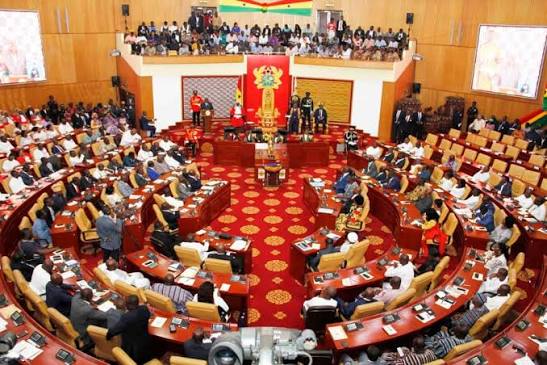
The legislature has wrapped up one of its most reform-driven sittings in recent times, with the Parliament of Ghana adjourning for the Easter holidays after approving a raft of major policy and legislative measures.
The break brings to a close nearly two months of intensive parliamentary business under the First Meeting of the Second Session of the 9th Parliament, which commenced on February 3.
The session was largely shaped by policy priorities outlined in the State of the Nation Address delivered by President John Dramani Mahama, setting the tone for an ambitious legislative agenda.
Wave of Reforms Passed
Before rising, lawmakers pushed through several landmark bills spanning education, economic policy, natural resources, and governance reforms—signaling a coordinated effort to recalibrate key sectors of the economy.
Central among these was the Legal Education Reform Bill, 2025, which restructures professional legal training in Ghana. The law opens up training to accredited universities and effectively ends the long-standing dominance of the Ghana School of Law, a move expected to widen access for thousands of law graduates previously locked out of the system.
Strategic Economic Decisions
In the extractive sector, Parliament ratified a long-term lithium mining agreement tied to the Ewoyaa project, marking a significant step in the entry into the global battery minerals market.
The deal also introduces revised royalty frameworks aimed at boosting national revenue from the country’s emerging lithium industry.
Lawmakers also turned attention to the education sector, approving amendments designed to ease accreditation processes for private tertiary institutions—part of broader efforts to expand higher education access and capacity.
Strengthening Governance And Oversight
On the governance front, Parliament passed the Value for Money Office Bill, a measure intended to tighten oversight on public expenditure and ensure greater accountability in the use of state resources.
Additionally, the House approved the 24-Hour Economy Authority Bill, a flagship policy initiative of the current administration aimed at stimulating continuous economic activity, job creation, and productivity across sectors.
Closing A Packed Legislative Calendar
The adjournment marks the end of a packed legislative calendar characterized by debates, committee work, and bipartisan cooperation on key national issues. The breadth of reforms passed underscores Parliament’s focus on structural changes across multiple sectors within a relatively short period.
With the Easter recess now underway, lawmakers are expected to return to the chamber afterward to continue deliberations on pending legislation and emerging national priorities.


