BY Daniel Bampoe
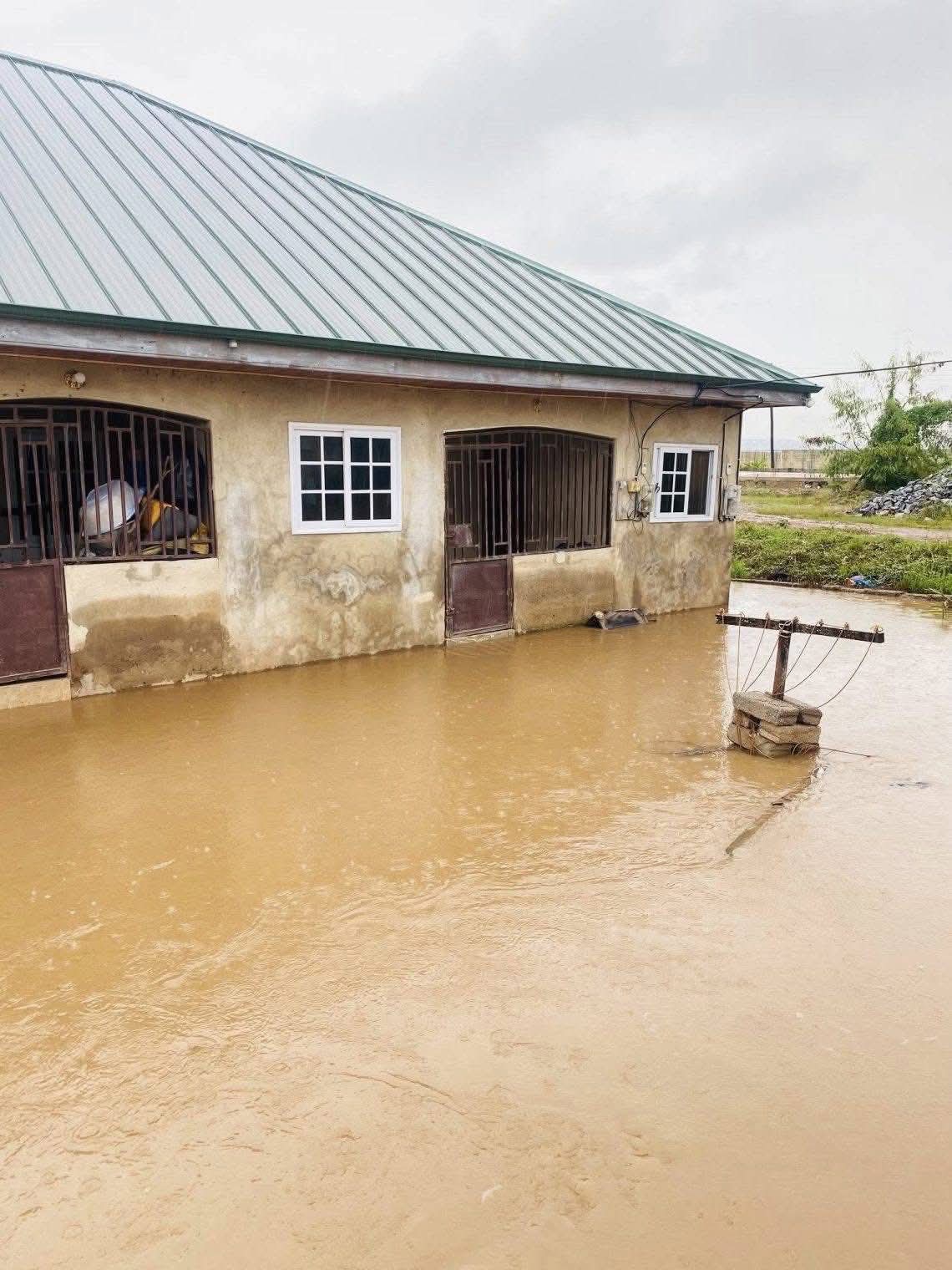
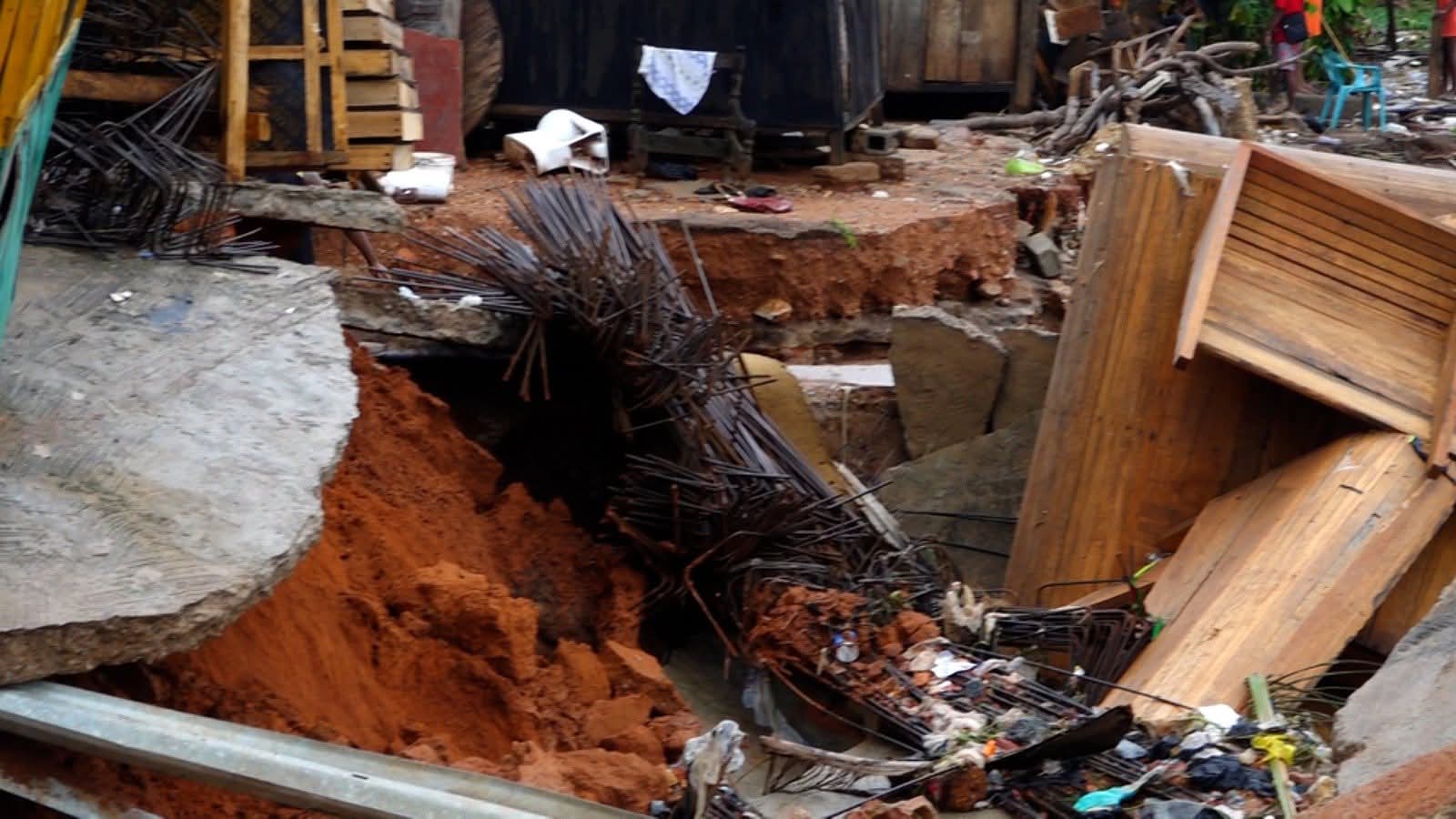
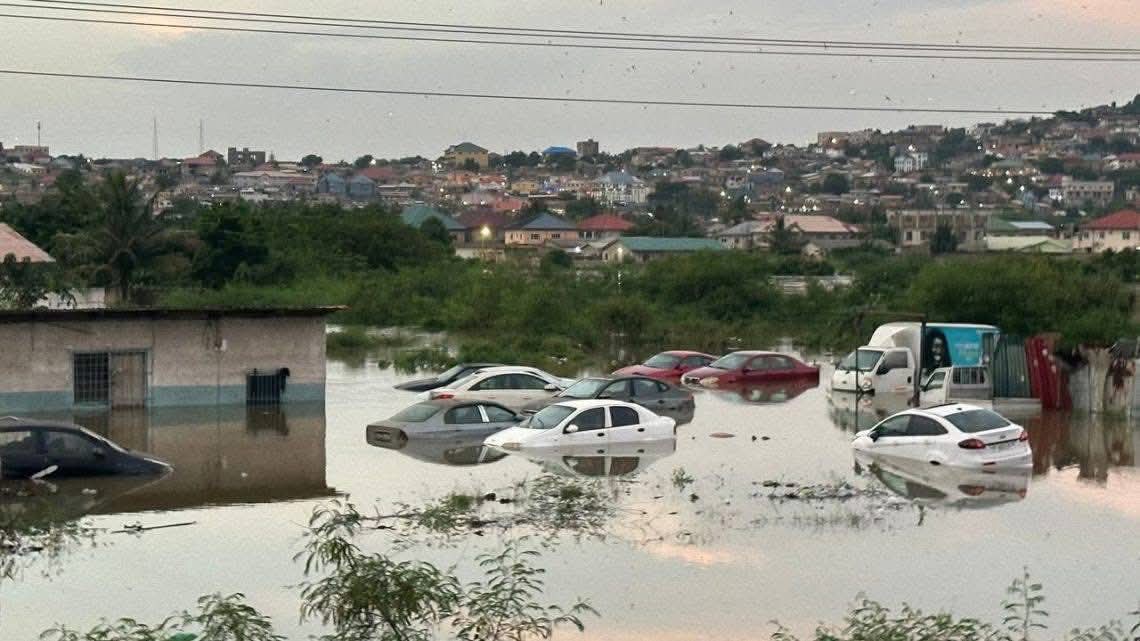
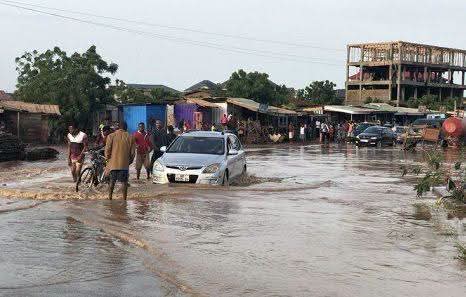
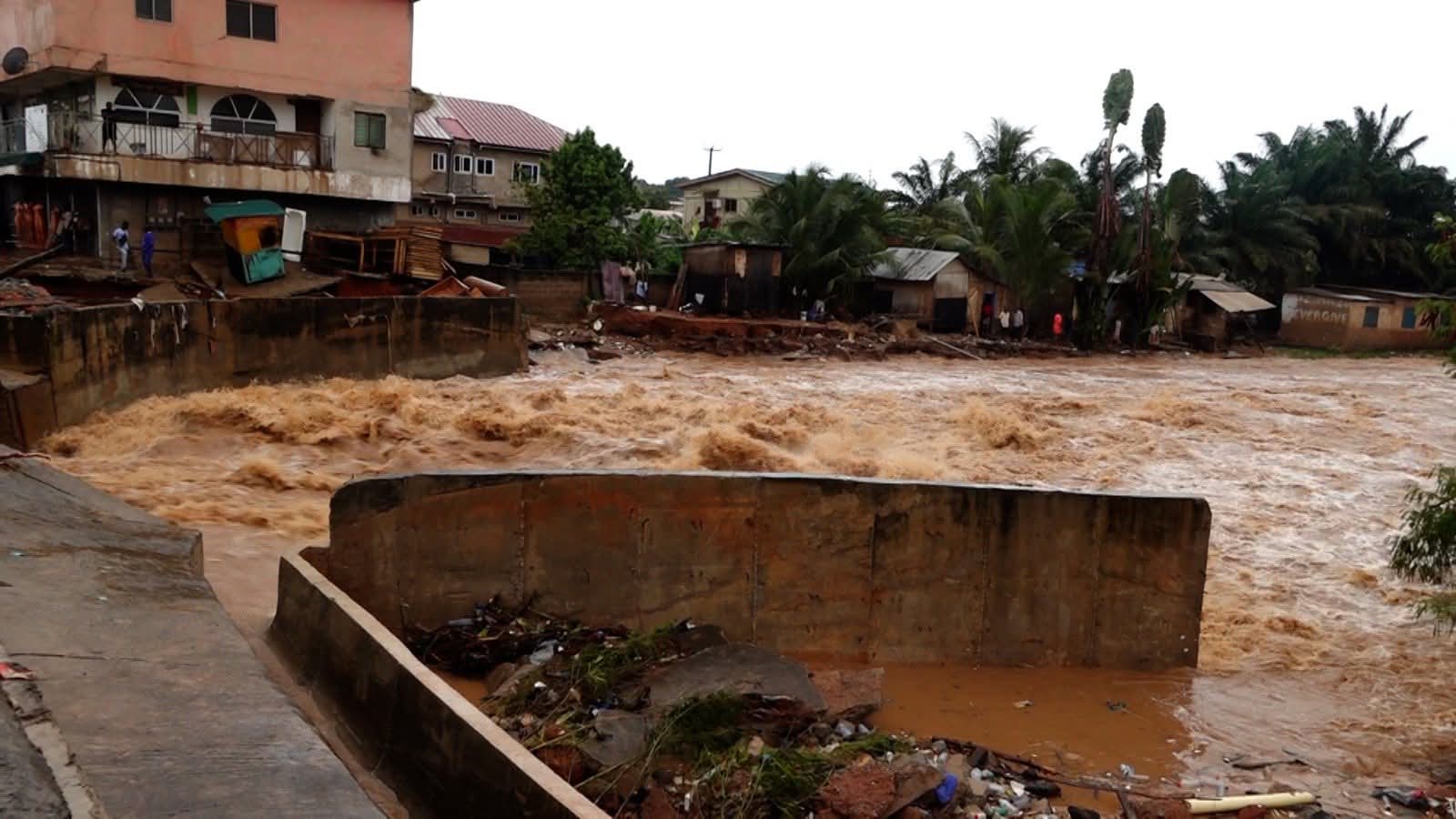
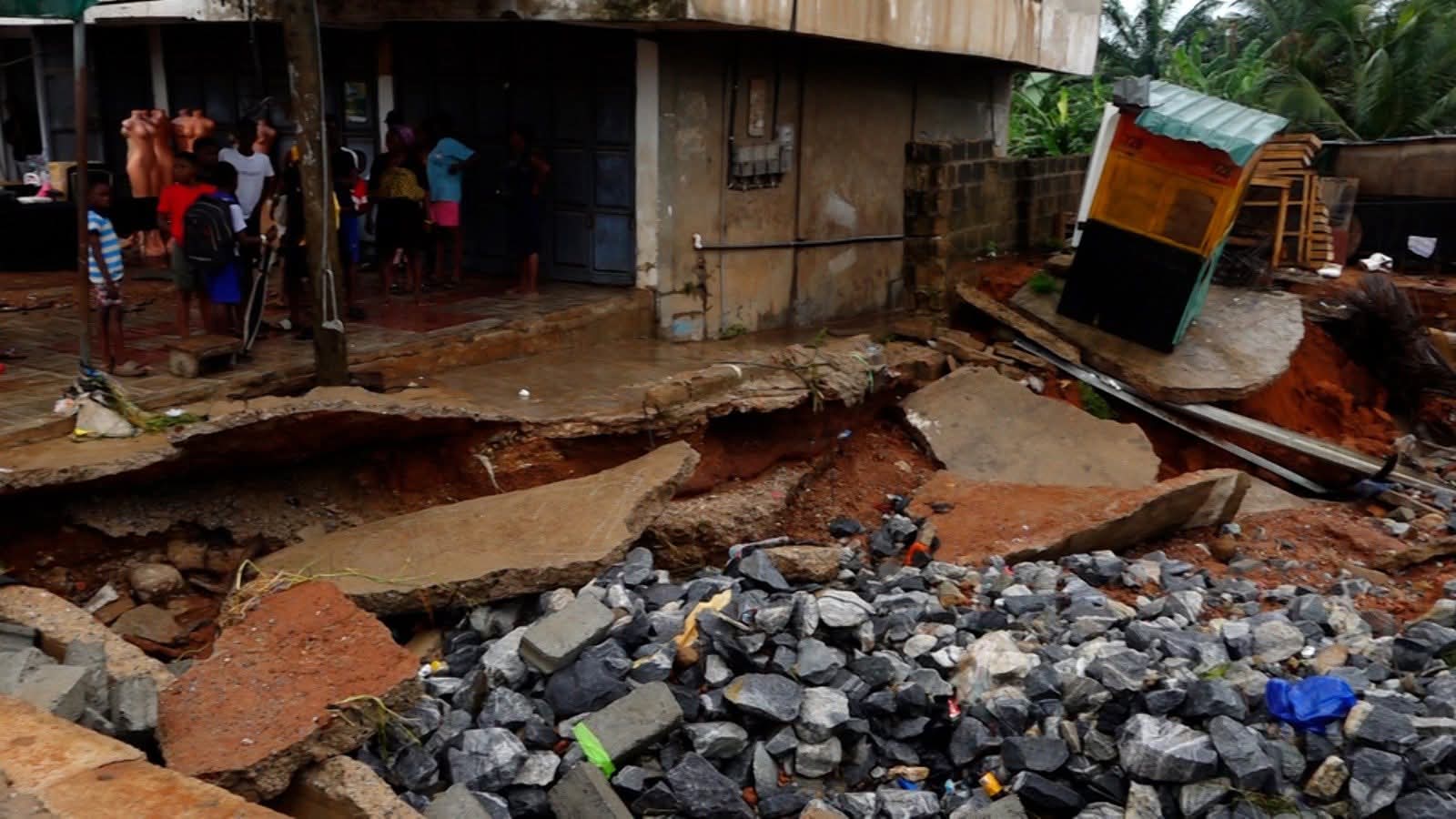
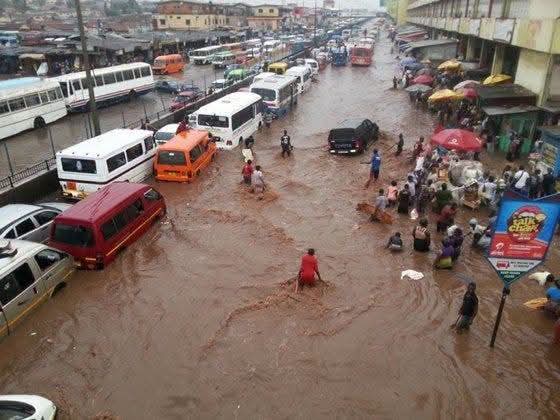
The latest flooding crisis has once again exposed the growing threat posed by climate change, rapid urbanisation, and poor environmental management, as hundreds of residents have been displaced and entire communities submerged following days of intense rainfall and the controlled spillage of the Weija Dam.
The disaster has reignited a national conversation about whether flooding in Accra and other parts of the country is simply a natural occurrence or a crisis worsened by human actions and years of policy failures.
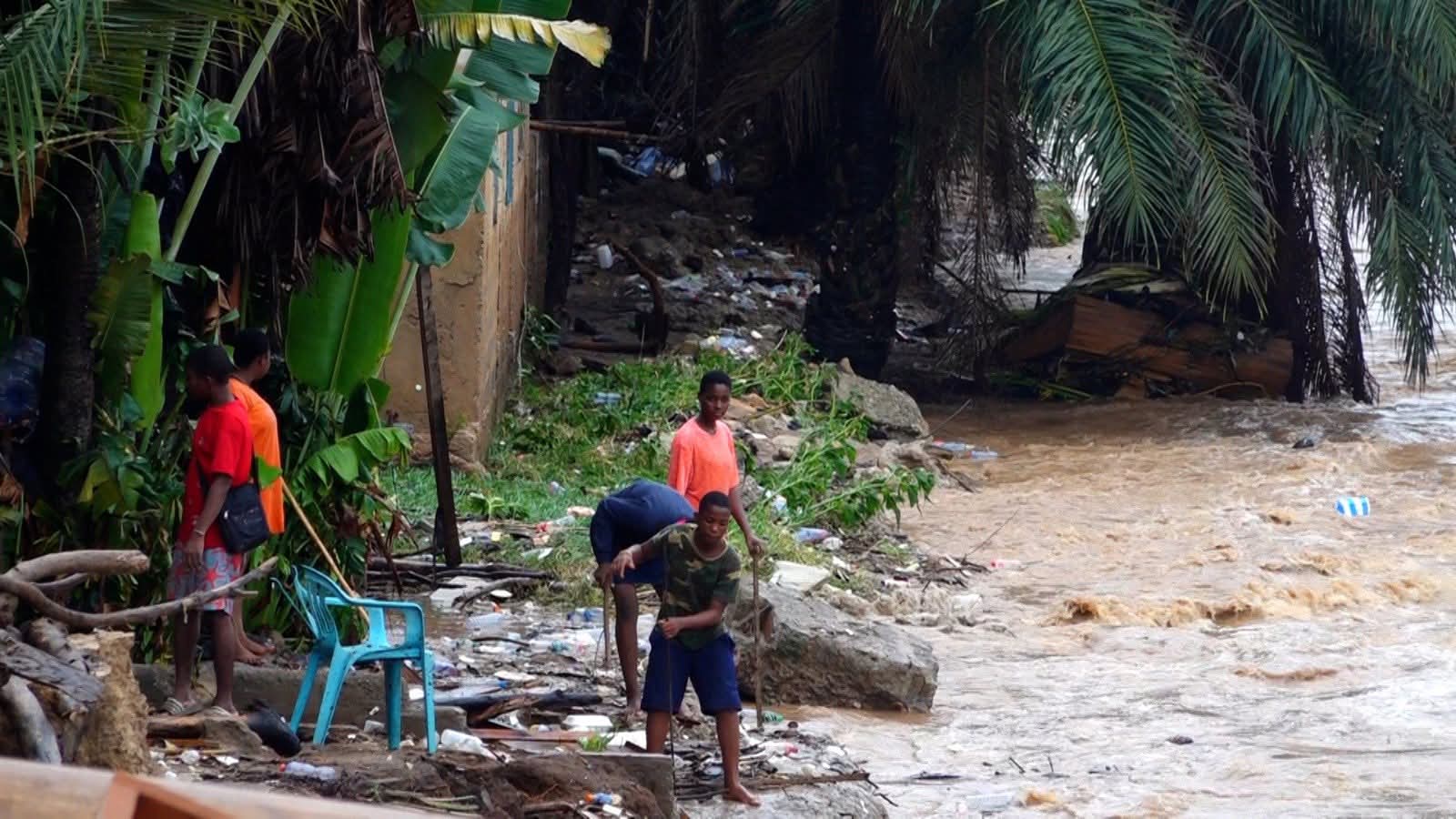
The most severe impact has been felt in communities downstream of the Weija Dam, including Weija, Tetegu, Oblogo and Ashalaja, where floodwaters have inundated homes and displaced hundreds of families. Ghana Water Limited (GWL) initiated the spillage after water levels at the dam reached critical levels following heavy seasonal rains.
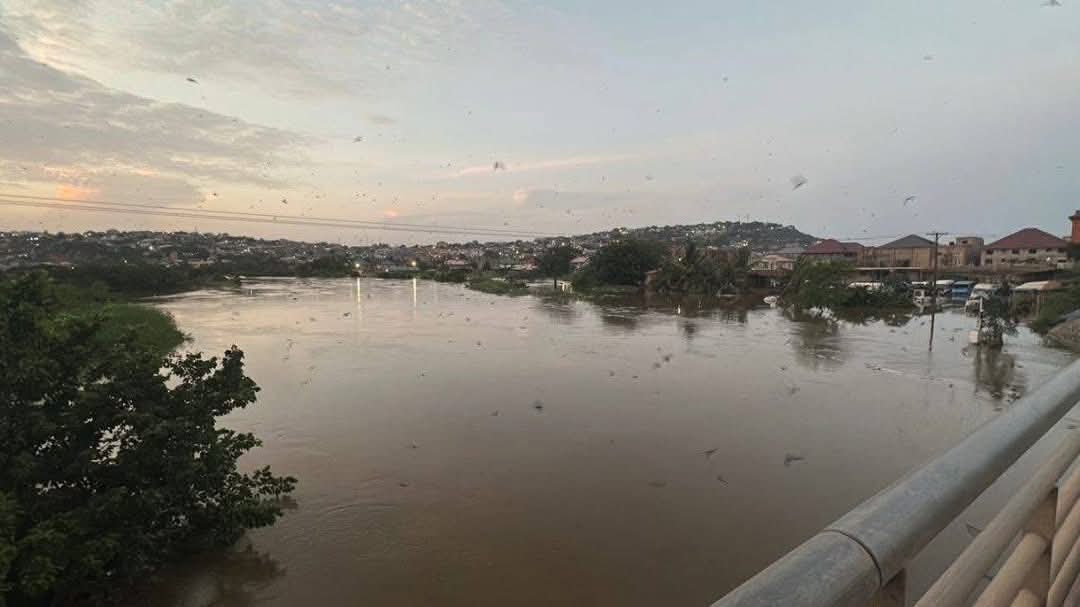
According to officials, the controlled release of water was necessary to prevent damage to the dam’s structure and avert a potentially more devastating catastrophe.
In some communities, floodwaters rose close to rooftop level, forcing residents to rely on canoes to move through submerged streets. Families were compelled to abandon their homes, while traders and small businesses counted significant losses as properties, merchandise and household belongings were destroyed
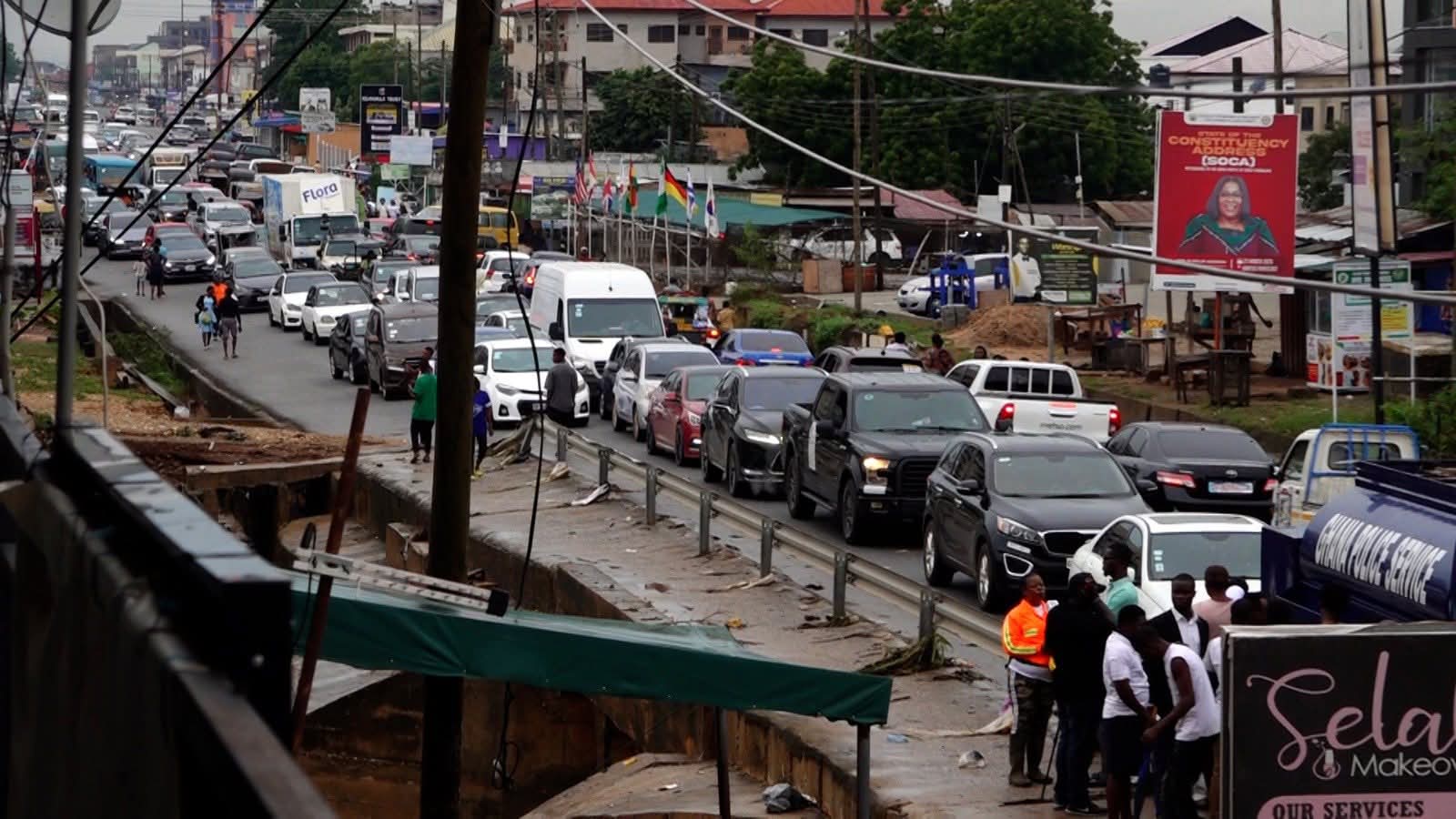
The flooding also disrupted transportation, rendering sections of major roads including the Accra-Pokuase corridor and the Yamoransa-Assin Fosu highway impassable.
Beyond the immediate disaster zone, prolonged rainfall triggered flash floods across several urban communities including Christian Village in Okaikwei North, Kaneshie, Mallam, Baah Yard, Dansoman and parts of Tema.
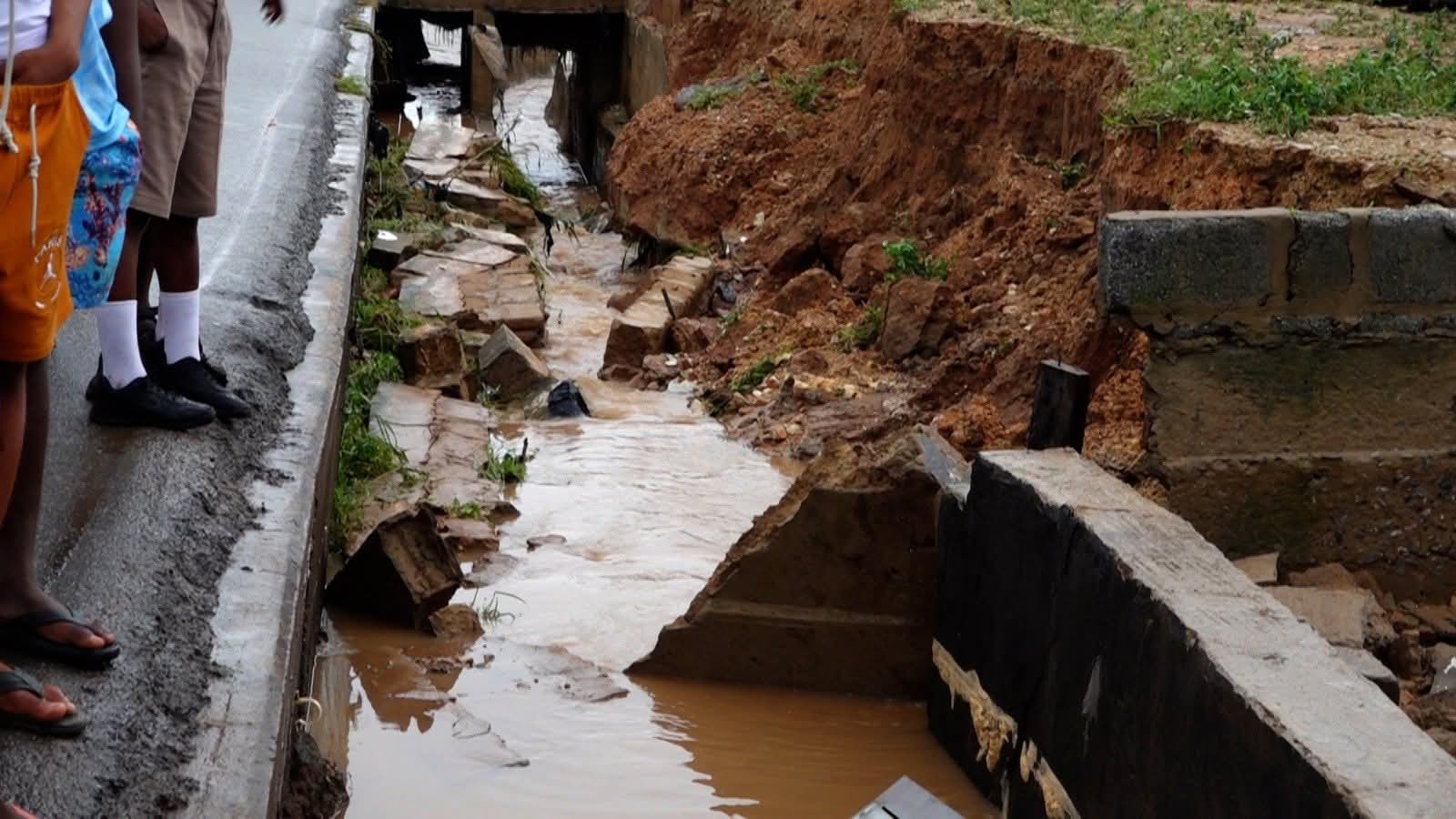
In many cases, overwhelmed drainage systems struggled to contain the volume of stormwater, resulting in widespread inundation of roads and residential areas.
While climate change is increasingly associated with more intense rainfall events, experts argue that many of Accra’s flood disasters are largely man-made. Over the years, the city has experienced rapid urban growth characterised by extensive paving and cementing of residential compounds, reducing the amount of natural ground available to absorb rainwater.
What were once open spaces capable of retaining water have gradually been replaced by concrete surfaces that accelerate runoff into already stressed drainage systems.
Environmental degradation has further compounded the problem. Large-scale removal of trees and vegetation has weakened the city’s natural ability to manage stormwater. Trees that once absorbed water and stabilised soil have given way to residential and commercial developments, increasing the speed and volume of water flowing into drains during heavy rains.
Perhaps the most visible contributor to Accra’s flood challenge is poor waste management. Across many communities, gutters and drains remain clogged with plastic waste, food containers, old clothing and other debris.
During heavy rains, these blocked channels fail to carry water away efficiently, causing overflow into homes, roads and businesses. The Odaw River basin, which serves as one of Accra’s principal drainage systems, continues to face severe pressure from indiscriminate dumping of waste.
Another major concern is the persistent encroachment on wetlands, waterways and floodplains. Developers and landowners have increasingly built homes, shops and commercial facilities on land historically reserved for natural water flow.
Streams have been diverted, wetlands reclaimed and drainage reservations occupied. Urban planners warn that such developments leave floodwaters with nowhere to go during periods of intense rainfall, forcing water to reclaim its natural pathways with devastating consequences.
Government authorities have responded with a combination of emergency relief and enforcement measures.
The Greater Accra Regional Security Council has issued evacuation directives for affected residents, while the National Disaster Management Organisation (NADMO) continues to coordinate rescue operations and provide temporary shelter and relief supplies to displaced families.
The Greater Accra Regional Minister has also directed local assemblies to intensify the demolition of illegal structures obstructing waterways and drainage channels.
In addition, authorities are pursuing longer-term interventions through projects such as the Greater Accra Resilient and Integrated Development (GARID) initiative, which seeks to improve drainage infrastructure, dredge waterways, construct retention ponds and strengthen flood early warning systems.
These interventions are designed to help communities adapt to increasingly severe weather patterns linked to climate change.
The recurring nature of flooding has left many Ghanaians frustrated. Residents who have lived through decades of flood disasters point to major incidents dating back to the 1990s and, more recently, the June 3, 2015 tragedy that claimed more than 150 lives following floods and a fuel station explosion near Kwame Nkrumah Circle.
Despite repeated promises from successive governments, many believe that insufficient enforcement of planning laws, weak urban management and political inaction continue to undermine efforts to solve the problem permanently.
Climate experts warn that unless Ghana adopts a more comprehensive approach that combines climate adaptation, environmental protection, improved urban planning and citizen responsibility, flood disasters are likely to become more frequent and more destructive.
Residents are being encouraged to avoid construction in flood-prone areas, protect natural waterways, maintain proper waste disposal practices and prepare emergency plans during the rainy season.