BY Issah Olegor
A controversy surrounding a private awards scheme that honoured several ministers and heads of state institutions in the Mahama administration has intensified, with the organisers strongly denying allegations that public officials were asked to pay for recognition.
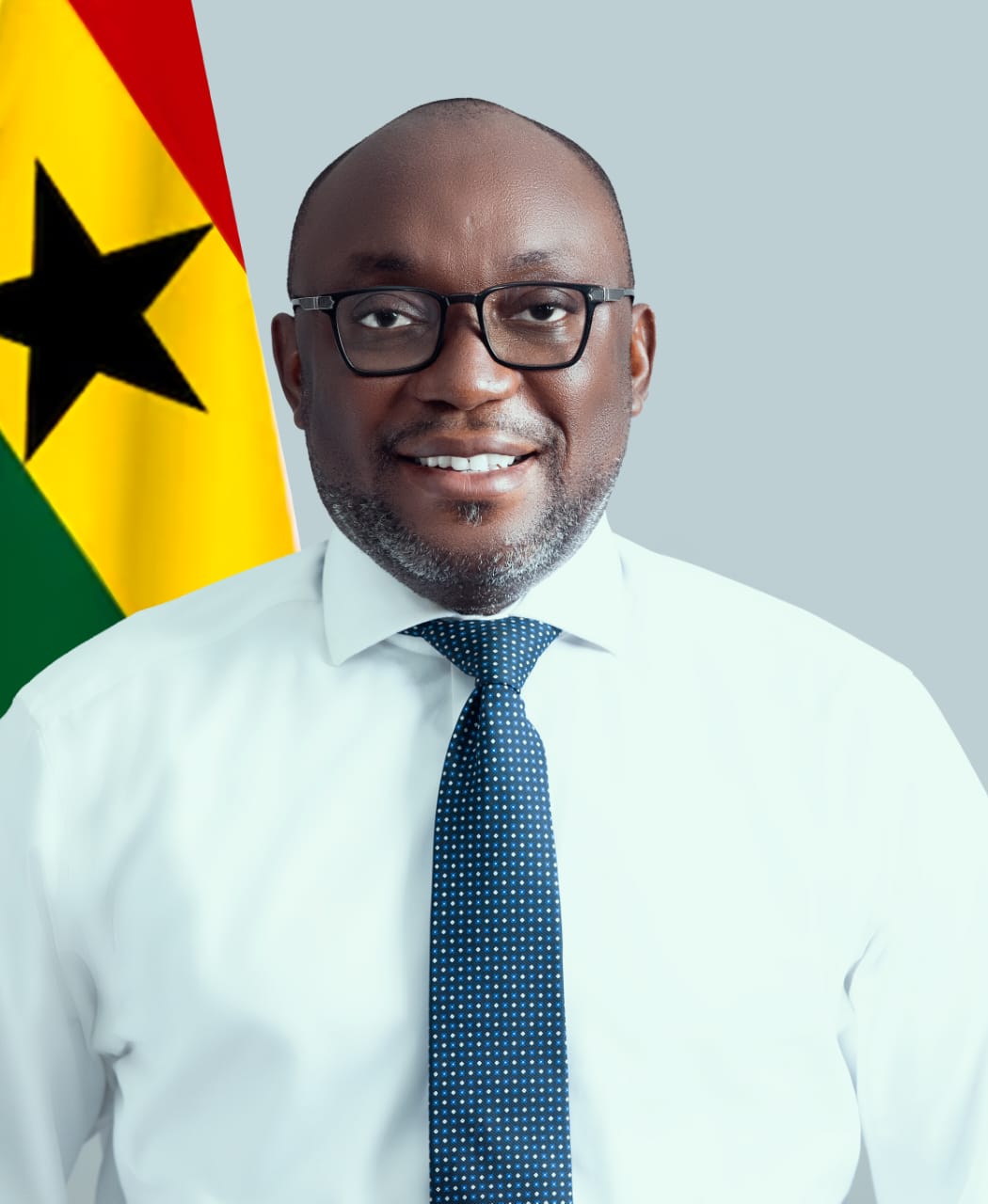
The dispute emerged after the Director-General of the State Interests and Governance Authority (SIGA), Prof. Michael Kpessa-Whyte, disclosed that he had declined a “Best CEO of the Year” award after discovering that participation in the event appeared to be linked to financial contributions.
His revelations have sparked a national debate about the credibility of privately organised award schemes and prompted President John Dramani Mahama to issue a directive barring ministers, chief executive officers of state institutions and political appointees from accepting awards from private organisations without prior approval from the Presidency.
At the centre of the controversy is the Ghana Ministers of State Excellence Honours, an awards programme organised by Big Events Ghana, which has over the years recognised ministers, chief executives and other public sector leaders for what organisers describe as outstanding performance and service.
According to Prof. Kpessa-Whyte, he received correspondence informing him that he had been selected as the recipient of a “Best CEO of the Year” award and was invited to attend a ceremony at the La Palm Royal Beach Hotel in Accra.
However, after directing members of his staff to seek further clarification from the organisers, he said they were informed that participation in the event involved either a sponsorship package worth GH¢50,000 or the purchase of a table for eight guests at a cost of GH¢25,000.
The SIGA Director-General subsequently declined the invitation, arguing that public recognition should not be associated with financial commitments.
His comments quickly triggered widespread public criticism and renewed scrutiny of award schemes that require sponsorship arrangements from institutions whose leaders are being honoured.
But the organisers have pushed back against the allegations.
Speaking on Citi FM’s Eyewitness News programme, the Chief Executive Officer of Big Events Ghana, Prince Mackay, insisted that the company never demanded payment from Prof. Kpessa-Whyte in exchange for an award.
Mackay explained that the sponsorship proposal was directed to SIGA as an institution and not to Prof. Kpessa-Whyte personally.
According to him, seeking sponsorship for events is a common practice within the event management industry and should not be interpreted as a demand for payment in return for recognition.
“I want to repeat, we didn’t write to Professor Whyte in person. We never asked him to sponsor the award. It was SIGA as a body that we wrote to, where he is the CEO,” Mackay stated.
He further questioned why the sponsorship request had become controversial, arguing that organisations routinely solicit support from institutions and corporate bodies to finance events.
Mackay maintained that if an institution chooses not to sponsor an event, that decision should not be construed as evidence that awards are being sold.
He also disclosed that SIGA ultimately declined the sponsorship proposal, informing organisers that the request had arrived too late to be considered within the authority’s budgetary framework.
The awards scheme recently honoured several members of the Mahama administration, including Finance Minister Dr. Cassiel Ato Forson, who was named Overall Best Minister of the Year.
The recognition of serving government officials has, however, come under increasing public scrutiny amid concerns over transparency, evaluation standards and the relationship between award organisers and prospective recipients.
The controversy has unfolded against a broader backdrop of concerns about the proliferation of private awards in Ghana, many of which have faced questions regarding their selection criteria, judging processes and funding arrangements.
These concerns appear to have informed President Mahama’s decision to intervene.
In a directive issued from the Presidency, the President expressed concern about what he described as the growing trend of public officials seeking recognition from organisations whose credentials, assessment standards and selection methodologies are often unclear.
The directive warned that participation in such awards could expose public institutions to criticism and potentially undermine confidence in government.
President Mahama consequently ordered all ministers, chief executive officers of state institutions and political appointees to refrain from accepting, sponsoring, endorsing or attending privately organised award ceremonies without prior approval from the Office of the President.
The President stressed that public office holders should be evaluated based on their ability to deliver government programmes, fulfil policy commitments and achieve measurable results rather than on honours conferred by private entities.
He also announced that the Presidency would soon undertake a comprehensive assessment of ministers and chief executive officers, with the outcomes expected to influence decisions on retention, reassignment and future restructuring within government.
While Big Events Ghana continues to defend the integrity of its awards programme, the controversy has reignited a national conversation about the role of private recognition schemes in public administration and whether public officials should participate in ceremonies where sponsorship arrangements are closely intertwined with honours.