BY NADIA NTIAMOAH
A growing diplomatic and legal battle between Ghana and Canada over midfielder Thomas Partey’s participation in the 2026 FIFA World Cup has escalated dramatically, with the matter now reaching the Federal Court of Canada just hours before the Black Stars’ opening match against Panama.
What began as a visa refusal has evolved into a major international dispute involving legal action, diplomatic protests and renewed debate over the principle of presumption of innocence in international sport.
The latest development comes after Canada’s Immigration, Refugees and Citizenship Canada (IRCC) denied Partey a Temporary Resident Visa, effectively preventing the experienced midfielder from entering Canada for the first Group L fixture in Toronto.
The decision has left Ghana scrambling to secure the availability of one of its most influential players as the Black Stars prepare to launch their fifth FIFA World Cup campaign.
Court documents published by the Federal Court of Canada show that a motion for an interlocutory injunction under the case Thomas Teye Partey v. Minister of Citizenship and Immigration was scheduled to be heard on Tuesday, June 16.
The case, listed as IMM-12882-26, was allocated a one-hour hearing beginning at 9:00 a.m., representing the first major legal challenge to Canada’s decision.
The hearing is expected to determine whether temporary relief can be granted to allow Partey entry into Canada while the broader immigration matter continues through the legal process.
A successful ruling could pave the way for the midfielder to join the Black Stars in Toronto before their clash against Panama. However, if the application fails, Ghana will begin its World Cup campaign without one of its most experienced and influential players.
The visa controversy stems from ongoing criminal proceedings involving the former Arsenal midfielder in the United Kingdom. Partey has pleaded not guilty through his legal representatives and has not been convicted of any offence. The case remains before the courts.
Despite this, Canadian authorities reportedly relied on the ongoing proceedings when considering his immigration application.
The NDC government has strongly objected to that position, arguing that the decision effectively punishes a player before a court has reached a verdict.
Leading the government’s response is Foreign Affairs Minister Samuel Okudzeto Ablakwa, who has confirmed that Ghana is pursuing every available diplomatic option in an effort to resolve the matter before kick-off.
Speaking in Accra, Ablakwa expressed optimism that a breakthrough could still be achieved despite the tight timeline.
“We are using all diplomatic channels available to us and remain hopeful that this matter can be resolved before the opening game,” he said.
The Minister has been one of the strongest critics of Canada’s decision, describing it as “high-handed” and “extremely unfair.”
According to him, the refusal undermines one of the most fundamental principles of justice — the presumption of innocence.
Ablakwa argues that since Partey has not been convicted and continues to deny all allegations against him, treating him as ineligible to enter Canada before the legal process is completed raises serious concerns about fairness, due process and equal treatment.
The government believes the decision sends a troubling message that allegations alone can be sufficient grounds to restrict participation in major international sporting events.
Beyond the legal arguments, Ghana is also deeply concerned about the football implications of losing one of the team’s most important players.
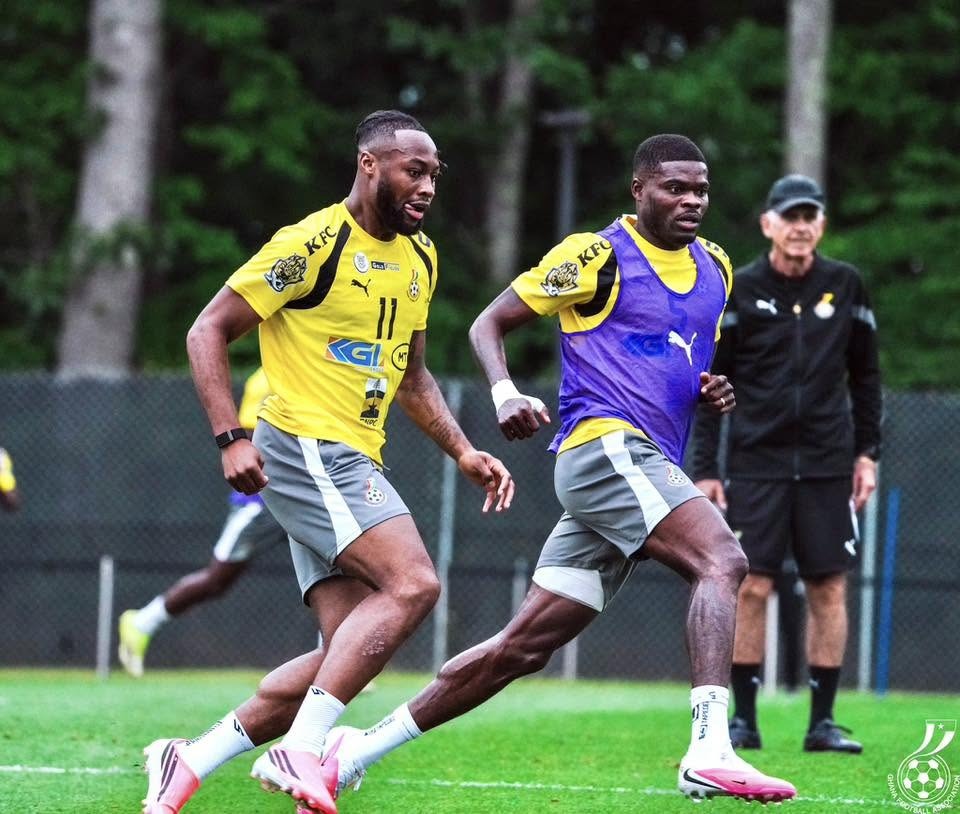
Thomas Partey has been a central figure in the Black Stars setup for nearly a decade, bringing leadership, experience and tactical discipline to the midfield. His absence would significantly weaken coach Carlos Queiroz’s options in a group that also includes England and Croatia.
Recognising the importance of the matter, the Foreign Affairs Minister has engaged Canadian officials directly, including discussions with Canada’s High Commissioner to Ghana, Myriam Montrat.
Those diplomatic engagements have run alongside the legal challenge in Canada and a formal diplomatic protest lodged through official channels.
The dispute has also attracted international attention. Former FIFA President Sepp Blatter recently entered the debate, arguing that World Cup host nations have a responsibility to ensure unrestricted entry for qualified participants.
Although Blatter did not specifically mention Partey, his comments came amid growing concern over immigration barriers affecting accredited individuals at the tournament.
Meanwhile, FIFA has maintained its longstanding position that visa and immigration matters fall under the jurisdiction of host governments and remain outside the authority of world football’s governing body.
The controversy has emerged at a critical moment for Ghana’s World Cup preparations.
The Black Stars arrived in Canada without Partey after the midfielder remained in the United States following the visa refusal.
While he remains unavailable for the Panama match unless the legal challenge succeeds, he is still expected to be eligible for the remaining Group L fixtures against England in Boston and Croatia in Philadelphia, both of which will be played in the United States.