By Daniel Bampoe
Ghana’s High Commissioner to the United Kingdom, Sabah Zita Benson, has come under renewed public scrutiny after failing to directly address questions surrounding the award of government scholarships to minors and Ghanaian twins based in Canada in 2025, despite launching a blistering attack on the previous administration over the management of the country’s scholarship programme.
The controversy has intensified as the Ghana Scholarships Authority mounted a robust defence of the awards, insisting that the beneficiaries met all eligibility requirements and that the scholarships were granted in accordance with the Authority’s established policy framework.
The issue gained national attention after Ms. Benson alleged in a series of Facebook posts that scholarship funds had been recklessly administered under the previous government, resulting in huge financial obligations that continue to affect Ghanaian students studying abroad.
According to the High Commissioner, scholarship funds were allegedly used to finance spouses, children and other dependents of beneficiaries, while tuition fees and living stipends for many Ghanaian students in the United Kingdom remained unpaid.
She claimed that in one case, the spouse and three children of a scholarship beneficiary each received £8,160 in allowances to accompany the principal beneficiary to the UK, separate from the scholarship itself, while the family’s airfare alone allegedly cost the state GH¢90,000.
Zita Benson also questioned the award of a scholarship to a 16-year-old to attend a private secondary school in the United Kingdom, alleging that more than £56,000 had been spent preparing the student for university despite such expenditure falling outside the mandate of the then Scholarships Secretariat.
She further alleged that government spent GH¢90,420 on visa application fees, tuberculosis screening and air tickets for two students and the spouse of one scholarship beneficiary.
The High Commissioner argued that such expenditure contributed significantly to the accumulation of more than £37 million in unpaid tuition fees and maintenance allowances owed to Ghanaian students studying in the UK between 2020 and 2025, prompting planned demonstrations by affected students.
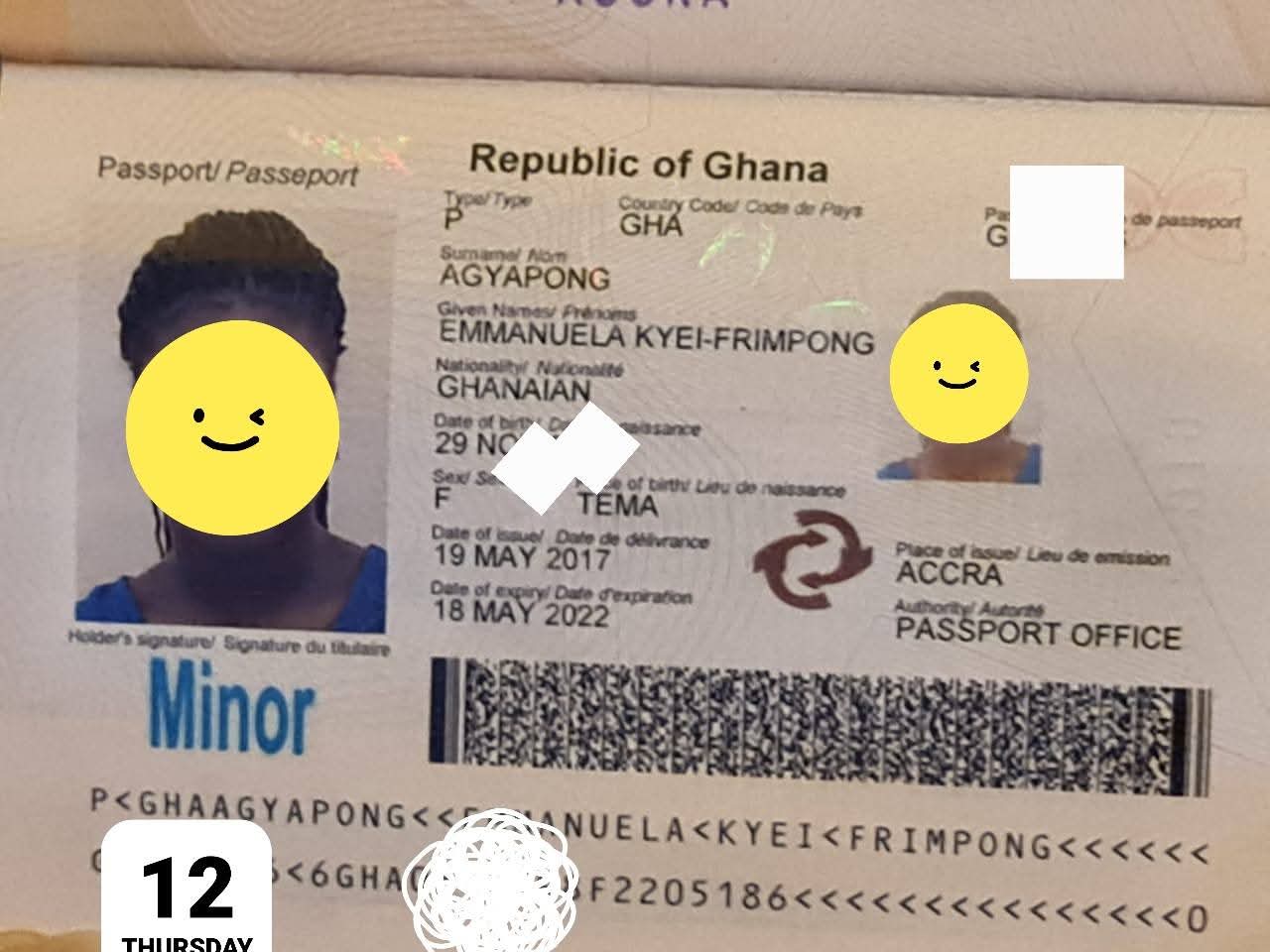
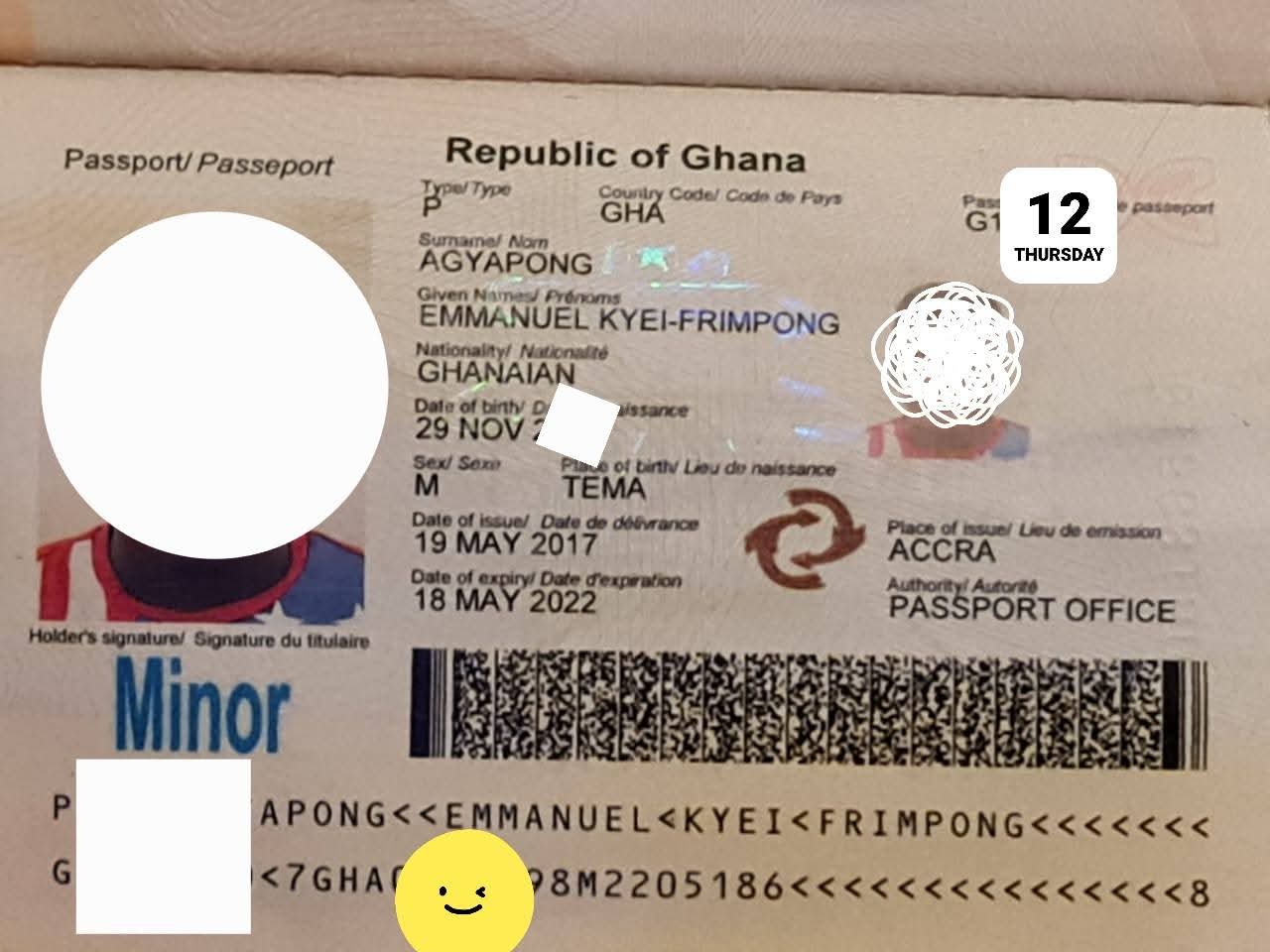
However, while Ms. Benson criticised those expenditure decisions, she made no direct reference to the public controversy surrounding scholarships awarded to minors and Canada-based Ghanaian twins in 2025, leaving questions over those awards unanswered.
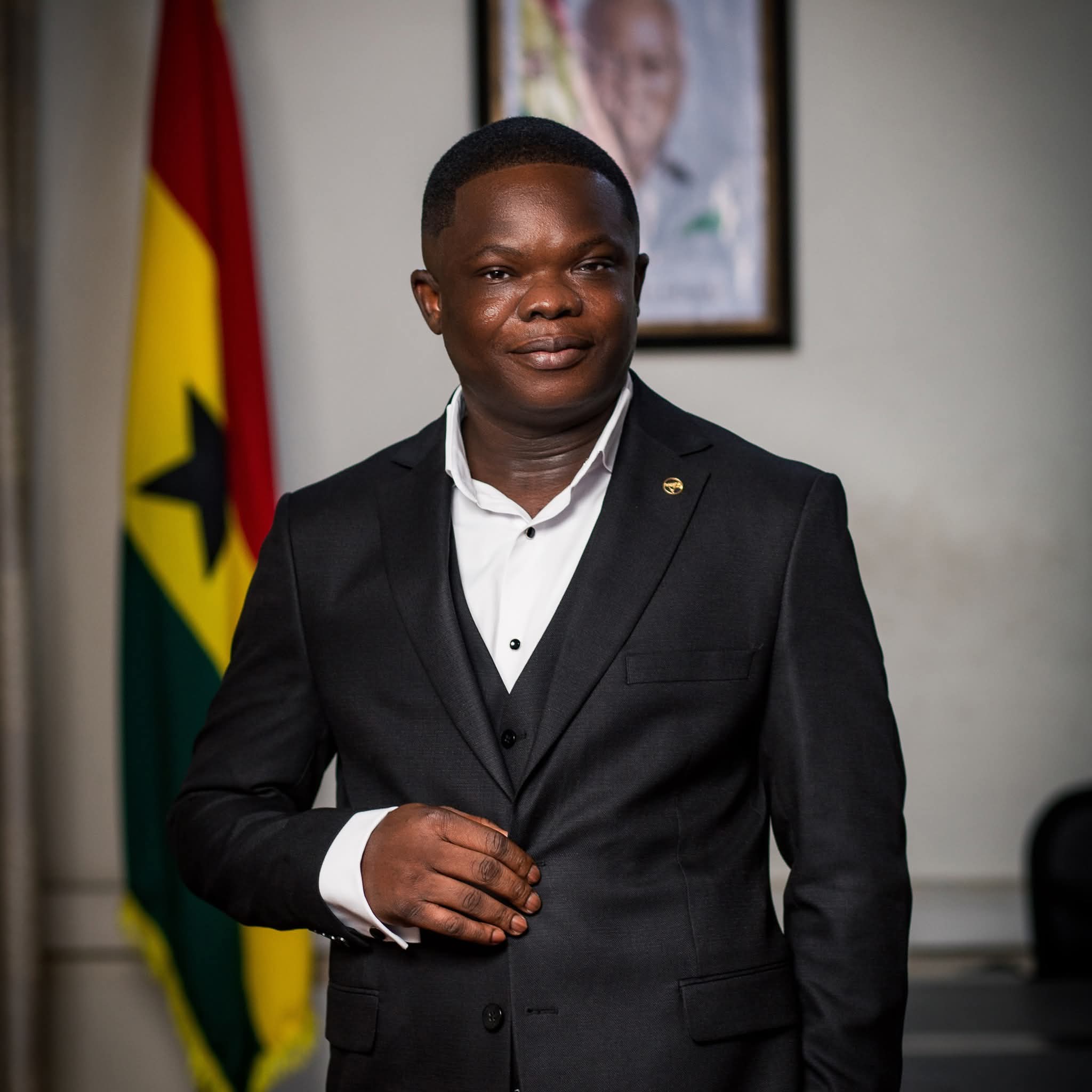
In response to the growing public debate, the Ghana Scholarships Authority rejected claims that the awards were irregular.
He described allegations that the beneficiaries were Canadian citizens as false, insisting that the recipients are Ghanaians by birth and parentage.
He stressed that Ghanaian citizenship is the principal qualification for scholarships administered by the Authority.
“The individuals being referenced are Ghanaians by birth and parentage. The fundamental eligibility requirement for scholarships administered by the Ghana Scholarships Authority is Ghanaian citizenship. That requirement has been satisfied in this case,” he stated.
Asafo-Agyei also dismissed claims that government scholarships are reserved exclusively for students classified as “needy but brilliant.”
The Scholarship Authority therefore maintained that the scholarships awarded to the Canada-based Ghanaian twins and minors complied with approved policy guidelines and satisfied all applicable eligibility requirements.
According to him, the Authority operates a three-tier scholarship framework, covering Financial Need (Needy but Brilliant), National Priority and Merit-Based Selection.
He explained that while one category supports financially disadvantaged but academically gifted students, others are intended to develop specialised skills needed for the national development and reward academic excellence irrespective of economic background.
To illustrate the framework, the Acting Registrar disclosed that the Authority has earmarked 5,000 local scholarships for the 2026 scholarship cycle, with 2,000 specifically reserved for the “needy but brilliant” category through an independent selection committee.
The latest controversy has once again drawn attention to the longstanding financial challenges confronting the scholarship programme.
When the New Patriotic Party (NPP) assumed office in 2017, the government announced that it had inherited a scholarship debt of about US$90 million, which officials said had accumulated under the previous administration.
The government subsequently indicated that substantial resources were required to clear those arrears while continuing to finance existing beneficiaries and new scholarship awards.
Nearly a decade later, scholarship administration remains a politically contentious issue as government continues to grapple with outstanding obligations, while thousands of Ghanaian students abroad continue to raise concerns over delayed tuition payments and living allowances.
Although the Ghana Scholarships Authority insists the awards to the minors and Canada-based twins were lawful and made under its established framework , the issue continues to generate public debate over transparency, accountability and the criteria used in awarding state-funded scholarships.