BY DANIEL BAMPOE
The Eastern Regional Health Directorate of the Ghana Health Service (GHS) is preparing to roll out a large-scale public health intervention aimed at protecting thousands of residents from Onchocerciasis, commonly known as River Blindness, as part of ongoing efforts to eliminate neglected tropical diseases in Ghana.
The exercise, which forms part of the 2026 Mass Drug Administration (MDA) programme, is scheduled to commence on June 20, 2026, and will target more than 134,000 eligible residents living in communities considered vulnerable to the disease.
Health authorities say the intervention is critical in preventing the spread of River Blindness, a debilitating parasitic disease that continues to affect populations living near fast-flowing rivers and streams where the blackfly vector responsible for transmission breeds.
According to the Eastern Regional Health Directorate, a total of 168,467 people have been identified as being at risk of contracting the disease within the region. Out of this number, 134,774 eligible individuals have been selected to receive treatment during the first round of the 2026 campaign.
The exercise will focus on four districts regarded as endemic areas for the disease: Kwahu East, Kwahu Afram Plains North, Kwahu Afram Plains South and Ayensuano.
These districts collectively comprise 19 sub-districts where health officials have intensified surveillance and prevention efforts over the years.
Addressing a media briefing in Koforidua on Monday, June 15, 2026, the Director of Public Health at the Eastern Regional Health Directorate, Dr. Moses Barimah Djimatey, underscored the importance of the exercise and called on residents to actively participate when health workers arrive in their communities.
He explained that River Blindness remains a significant public health concern in some parts of Ghana despite years of intervention programmes aimed at controlling and eventually eliminating the disease.
According to Dr. Djimatey, the annual mass drug administration programme has become one of the most effective strategies for reducing transmission and protecting vulnerable populations from infection.
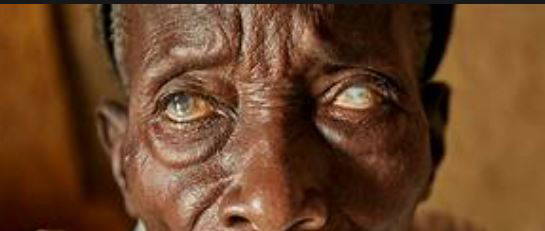
Onchocerciasis, commonly referred to as River Blindness, is caused by a parasitic worm transmitted through repeated bites from infected blackflies. The disease can result in severe skin conditions, visual impairment and, in advanced cases, permanent blindness.
Historically, River Blindness has been one of the most devastating neglected tropical diseases affecting communities located near rivers, particularly in parts of West and Central Africa.
In Ghana, sustained public health interventions involving community-based drug distribution, disease surveillance and public education have significantly reduced the prevalence of the disease in many endemic areas.
However, health experts caution that continued treatment campaigns remain essential to prevent resurgence and completely interrupt transmission.
The Ghana Health Service has over the years collaborated with local communities, international health partners and district health authorities to implement regular mass drug administration exercises aimed at protecting at-risk populations.
These programmes involve the distribution of preventive medication to eligible residents, regardless of whether they show symptoms, in order to reduce the presence of the parasite within communities and prevent further spread.
Health officials say the success of such interventions depends heavily on community participation and public cooperation.
Dr. Djimatey therefore encouraged residents within the targeted districts to make themselves available for treatment and support health workers carrying out the exercise.
He stressed that protecting communities from River Blindness requires collective action and sustained commitment from both health authorities and residents.
The 2026 exercise is expected to reach thousands of households across the affected districts and forms part of the broader strategy to eliminate neglected tropical diseases and improve public health outcomes.
Public health experts note that successful implementation of the programme will not only reduce the risk of blindness and disability but also improve productivity and quality of life for affected communities, many of which rely heavily on farming and other outdoor economic activities.