By Issah Olegor
As Africa pushes ahead with the implementation of the African Continental Free Trade Area (AfCFTA), policymakers, trade experts, financial institutions and business leaders are warning that Ghana could miss out on the enormous opportunities presented by the continent’s single market unless local businesses become more aggressive and competitive in expanding beyond the country’s borders.
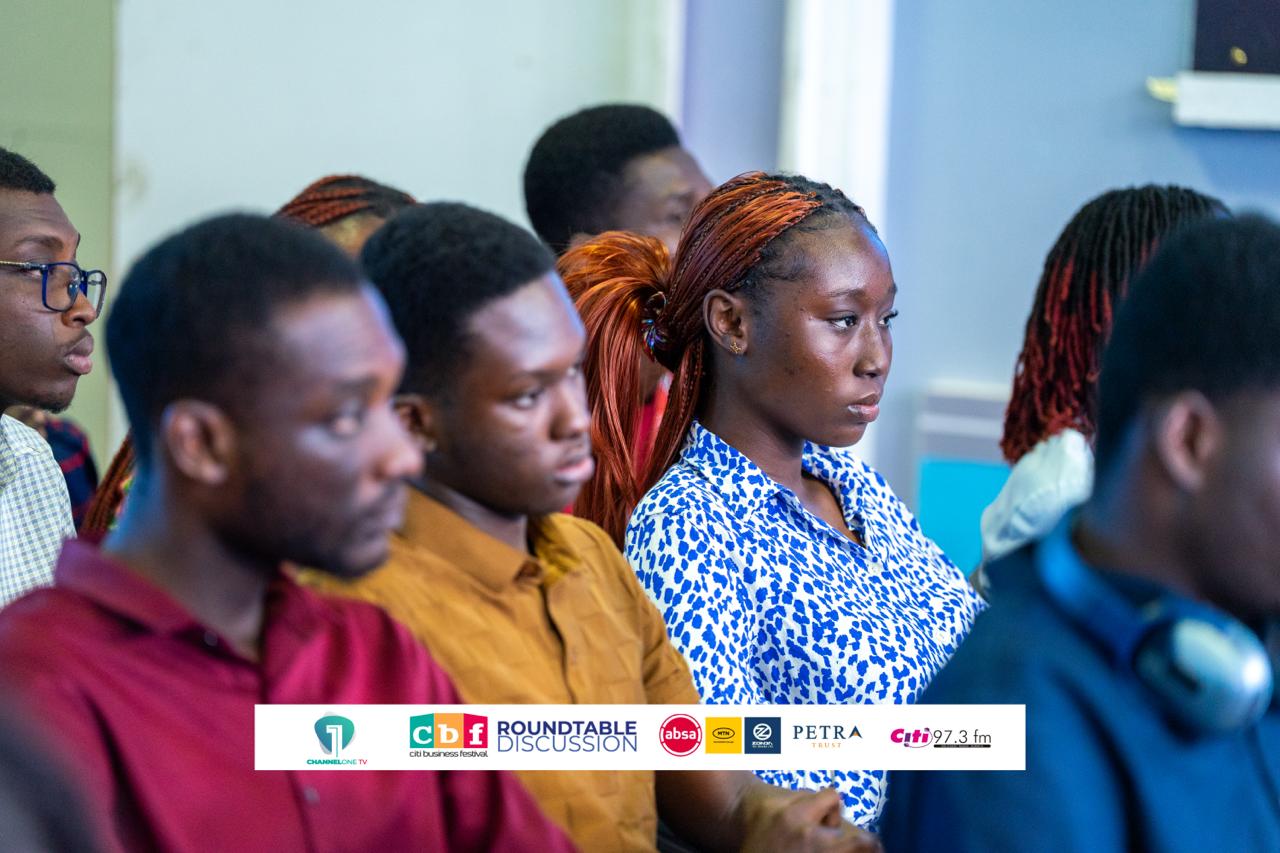
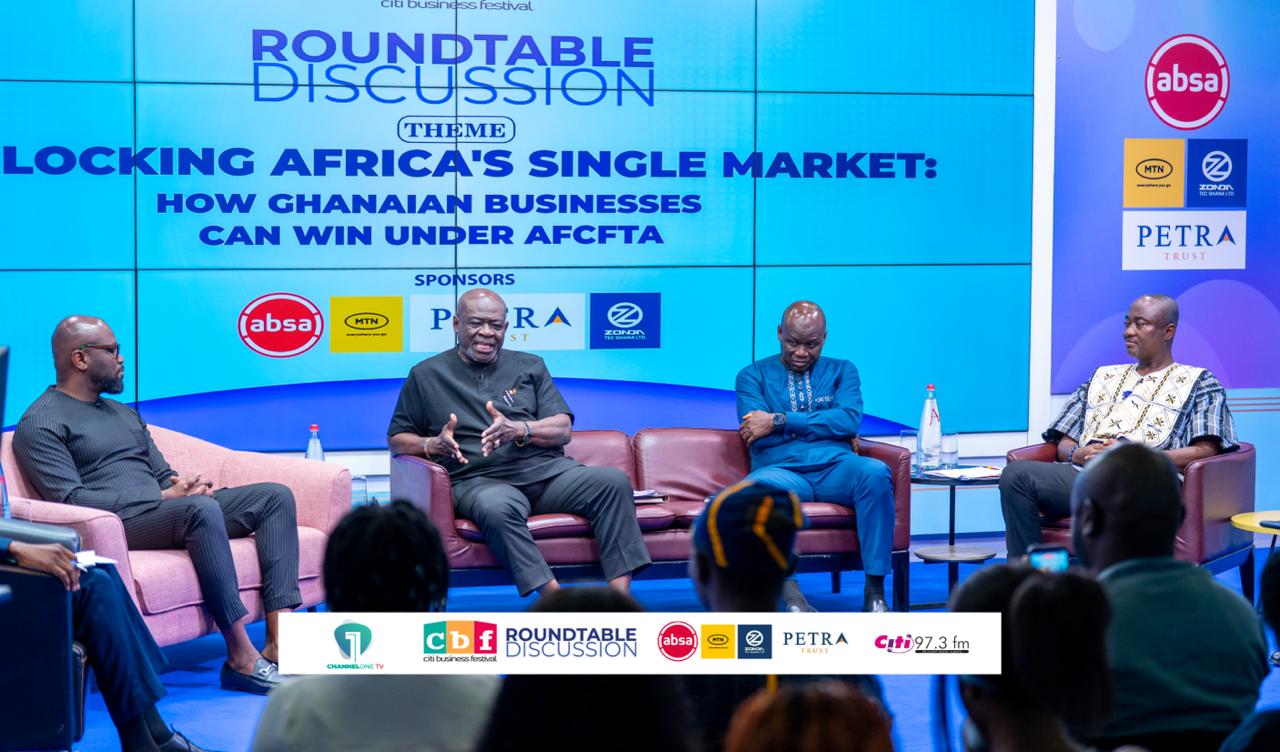
The warning was issued during the first Roundtable Discussion of the 2026 Citi Business Festival, where participants emphasized the urgent need for stronger private sector participation, policy coordination, trade financing and infrastructure support to enable Ghanaian businesses to take advantage of what is widely regarded as the world’s largest free trade area by number of participating countries.
Held under the theme, “Unlocking Africa’s Single Market: How Can Ghanaian Businesses Win Under AfCFTA?”, the forum brought together leading voices from government, industry, trade institutions and the banking sector to assess the preparedness and the broader challenges confronting the successful implementation of the continental trade agreement.
The African Continental Free Trade Area represents one of the most ambitious economic integration projects in Africa’s history.
Officially launched in 2021, the agreement seeks to create a single African market covering more than 1.4 billion people with a combined Gross Domestic Product (GDP) exceeding US$3 trillion.
The initiative aims to remove trade barriers, facilitate the movement of goods and services, increase industrialisation, promote value addition and strengthen economic cooperation among African countries.
Ghana occupies a strategic position within the AfCFTA framework, having secured the hosting rights for the AfCFTA Secretariat in Accra. This achievement elevated the country’s profile as a leading advocate of continental economic integration and positioned it as a potential gateway for trade and investment across Africa.
Despite this advantage, experts at the Citi Business Festival warned that hosting the Secretariat alone does not automatically translate into economic gains unless Ghanaian businesses actively position themselves to access emerging opportunities across the continent.
Senior Technical Advisor on AfCFTA Implementation Committees, Dr. Fareed Arthur, argued that many of the difficulties currently associated with AfCFTA are not the result of flaws within the agreement itself but rather the failure of governments to effectively coordinate their policies and implementation strategies.
According to him, individualistic approaches by member states continue to undermine the broader vision of continental integration.
“The problems of AfCFTA that have been pointed out are real, but it is not because the AfCFTA is not working. It’s because the governments that are supposed to work to make this successful have still not appreciated the fact that it is not their individualistic approaches that will solve the challenges,” he stated.
His comments reflect concerns that while political leaders across Africa publicly support the trade agreement, practical implementation often faces obstacles including regulatory inconsistencies, border delays, infrastructure deficits and protectionist tendencies.
Acting Head of the National AfCFTA Coordination Office at the Ministry of Trade, Agribusiness and Industry, Benjamin Asiam, stressed that increased intra-African trade could significantly transform the continent’s economic fortunes.
He noted that Africa’s population and economic size provide a strong foundation for creating prosperity within the continent if African countries prioritize trading with one another rather than depending excessively on external markets.
“We have a population of over 1.4 billion people and also a GDP of more than $3 trillion. And so if we trade with each other, see Africa as one market, and trade with each other, we’ll benefit from the wealth of Africa.
That wealth will stay in Africa, and Africa will be better off,” he explained.
The discussion also highlighted concerns about policy consistency and the willingness of African countries to fully embrace the principles of economic integration.
Chief Executive Officer of the Ghana National Chamber of Commerce and Industry, Mark Badu-Aboagye, identified policy implementation as one of the biggest challenges confronting AfCFTA.
Drawing attention to recent tensions involving foreign-owned businesses in South Africa, he cautioned that actions perceived as hostile to businesses from other African countries could weaken confidence in the continental trade agenda and undermine efforts to build a truly integrated African market.
“For the sake of unity and success of AfCFTA, I think other countries have acted more professionally. Can you imagine if the other countries decide to also retaliate and send the South Africans also to their countries? Can you imagine the chaos that would have come to the continent?” he questioned.
His remarks underscored the delicate balance African governments must maintain between protecting local industries and promoting continental trade liberalisation.
Participants also explored specific sectors where Ghana could gain a competitive advantage under AfCFTA.
Chief Export Development Officer at the 24-Hour Economy Authority, Gabriel Opoku-Asare, identified pharmaceutical manufacturing as one area with significant growth potential.
He noted that Ghana has already established itself as a key pharmaceutical supplier to countries within the Sahel region and could substantially increase exports if government policies provide stronger incentives to manufacturers.
According to him, improving access to affordable and reliable electricity for industrial players would help strengthen the position as a regional manufacturing and export hub.
“Ghana, as you know, is a big pharmaceutical hub that exports to the Sahel region, and we can increase that by a double or triple fold if we focus on providing incentives such as accessible power to players in that zone as well,” he stated.
Another critical issue discussed during the roundtable was access to trade finance, which many businesses identify as one of the major barriers to cross-border expansion.
While AfCFTA opens new market opportunities, experts say many small and medium-sized enterprises lack the financial resources required to scale operations, meet export requirements and compete effectively in foreign markets.
Addressing this challenge, Head of Trade and Working Capital at Absa Bank Ghana, Emmanuel Mensah, highlighted the role financial institutions can play in supporting businesses seeking to expand across Africa.