By Daniel Bampoe
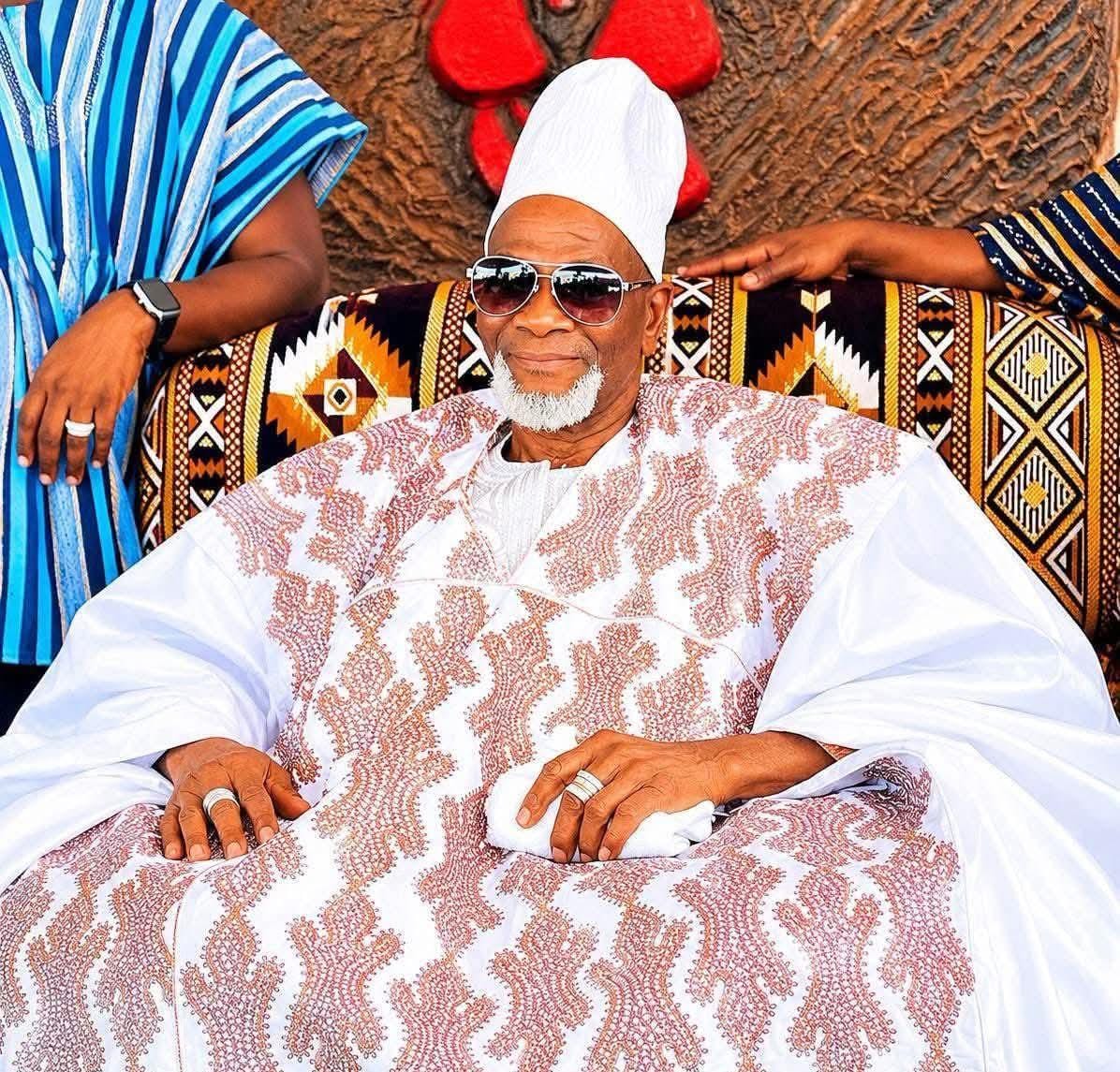
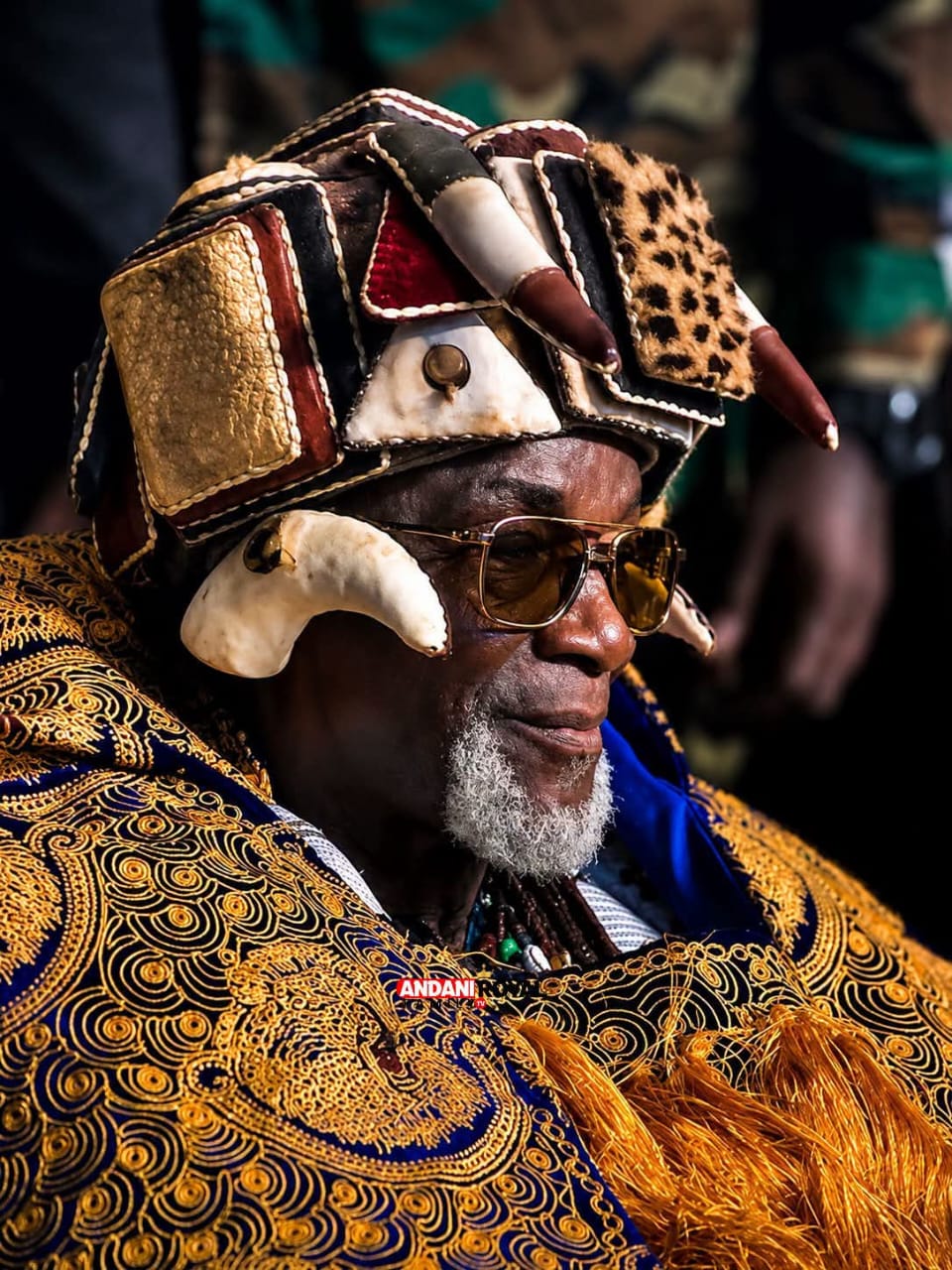
The Kingdom of Dagbon has been thrown into mourning following the death of His Royal Majesty Yaa Naa Mahama Abukari II, whose reign became synonymous with reconciliation, peace and the restoration of traditional authority after one of the longest and most painful chieftaincy conflicts.
The announcement of the King’s passing was officially made by the Andani Royal Family through a statement posted on its official Facebook page, confirming that the revered monarch died on Saturday night after a prolonged illness.
The family disclosed that, in accordance with the sacred customs and traditions of the Dagbon Kingdom, all required traditional funeral rites had been duly performed, and the late King had already been laid to rest at Katina.
“With heavy hearts and profound sorrow, we announce the passing of His Royal Majesty, the King of Dagbon, who departed this life last night,” the statement read.
The Royal Family described the late Yaa Naa as a revered father, a wise ruler and a faithful custodian of Dagbon’s rich cultural heritage whose humility, wisdom and commitment to unity would remain a lasting legacy.
They prayed for Allah to forgive his shortcomings, grant him eternal mercy, illuminate his grave and admit him into Jannatul Firdaus, while asking for strength and patience for the Royal Family, chiefs, elders and the people of Dagbon during the difficult period.
The death of Yaa Naa Mahama Abukari II marks the end of a historic reign that began on January 18, 2019, following the successful implementation of a national peace roadmap that finally resolved the protracted Dagbon chieftaincy crisis between the Abudu and Andani royal gates.
For nearly two decades, the Yendi Skin remained vacant after the violent events of March 2002, when the late Yaa Naa Yakubu Andani II was killed during clashes between the two royal families.
The conflict plunged Dagbon into one of the country’s most difficult traditional disputes, resulting in years of division, litigation and the suspension of several important customary activities.
Successive governments, eminent chiefs and traditional leaders invested considerable effort in resolving the impasse.
A major breakthrough came after mediation led by the Committee of Eminent Chiefs, chaired by the Asantehene, Otumfuo Osei Tutu II, together with the Nayiri and the Yagbonwura, culminated in a comprehensive roadmap that paved the way for lasting peace and the installation of a new Yaa Naa.
It was under this historic peace agreement that Mahama Abukari II was selected by the kingmakers and enskinned as the 41st Yaa Naa of Dagbon, bringing an end to the prolonged vacancy of the Yendi Skin and ushering in a new era of reconciliation.
Born Bukali at Mion, the late Yaa Naa was the son of Yaa Naa Mahama II, who ruled Dagbon from 1938 until his death on February 6, 1948. His mother, Ayishetu, was a princess from Kulunkpegu, near Chaazaadaanyili in the Northern Region.
His traditional leadership journey began when he became the chief of Kpunkpono before later ascending to the prestigious Savelugu Skin, one of the three principal gate skins whose occupants qualify to ascend the Dagbon throne.
Throughout his reign, Yaa Naa Mahama Abukari II was widely regarded as a unifying figure who dedicated himself to healing old wounds between the Abudu and Andani gates.
His leadership restored confidence in the institution of traditional authority and helped revive major customary festivals and royal ceremonies that had been suspended for more than a decade because of the chieftaincy conflict.