BY Daniel Bampoe
Minority Chief Whip and Member of Parliament for Nsawam-Adoagyiri, Frank Annoh-Dompreh, has made illegal mining, popularly known as galamsey, a major issue in his assessment of the NDC government, warning that the activity is causing serious destruction to the water bodies, vegetation and livelihoods.
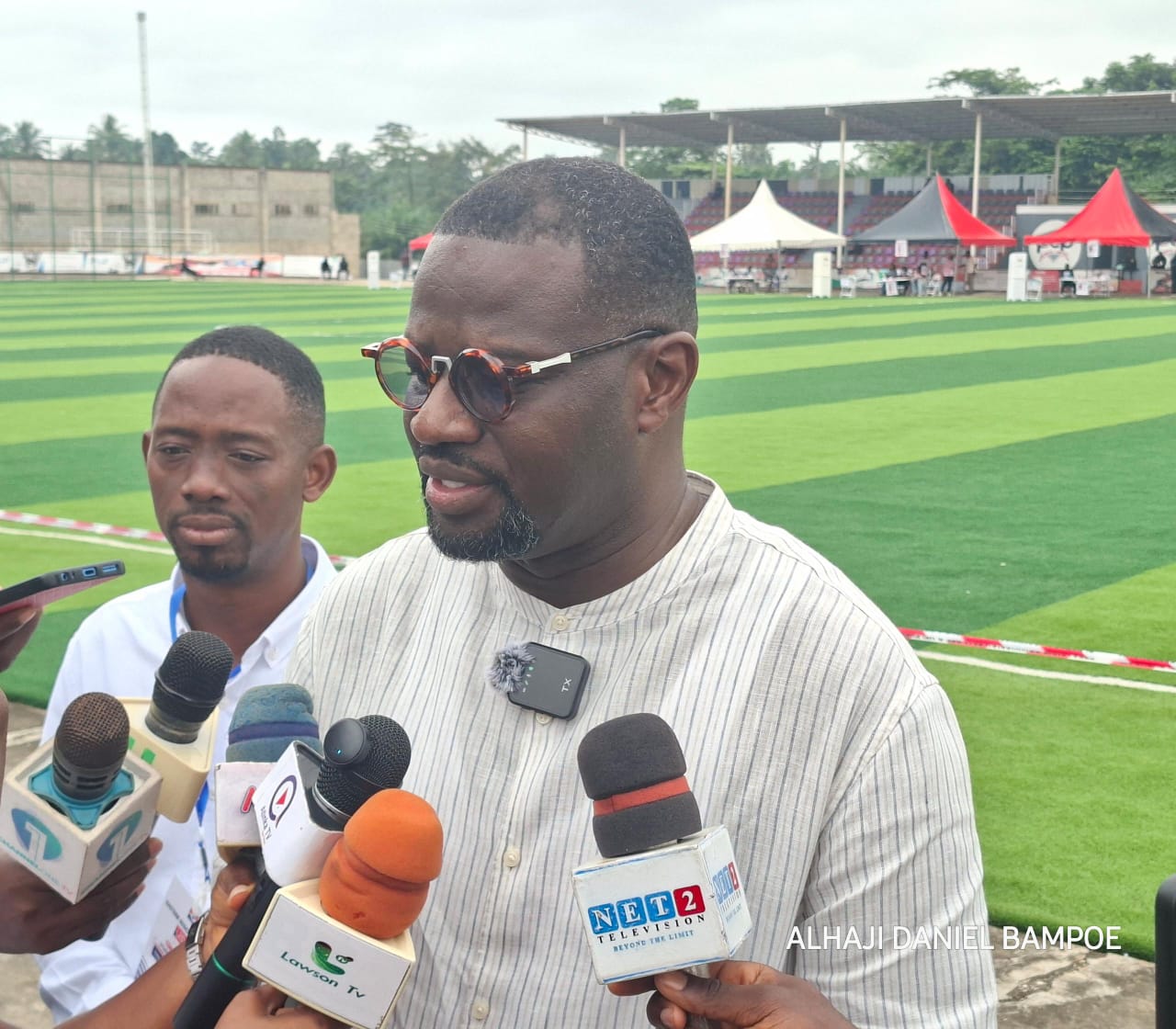
Speaking to journalists on Saturday after casting his ballot in the ongoing NPP Eastern Regional Executives Elections at Asamankese, Mr Annoh-Dompreh said the galamsey situation had gone beyond a campaign issue and had become a matter of national survival. According to him, the destruction caused by illegal mining has implications for livelihoods, the environment, and the broader climate change challenges.
He expressed particular conern about the state of the Birim River, which he described as a major water body in the Eastern Region.
He said increasing turbidity levels in the river were becoming dangerous, while the activities of illegal miners were also affecting flora and fauna. He further linked the environmental damage caused by galamsey to broader concerns about climate change, rainfall patterns and the sustainability of the natural resources.
The Nsawam-Adoagyiri MP also raised concern about the extent to which illegal mining operations are allegedly encroaching on the Accra-Kumasi highway.
He described the development as unprecedented in Ghana’s political history and questioned why illegal miners appeared to be operating with what he termed “impunity.”
His comments come amid longstanding national concerns over the impact of illegal mining on rivers, forests, agricultural lands and communities.
Mr Annoh-Dompreh said the NPP had expected the administration of President John Dramani Mahama, based on his previous experience in public service, to handle the environmental crisis differently.
He said the issue had therefore become a source of disappointment for some Ghanaians who voted for a change in government, particularly on expectations of improved governance and environmental management.
He said galamsey would inevitably feature in the NPP’s future political messaging, but stressed that the party would not manufacture campaign issues from its offices.
Instead, he said, the concerns that would shape the party’s campaign would emerge from the experiences and demands of ordinary Ghanaians. He listed environmental degradation, the cost of living, governance and corruption among issues likely to dominate the political conversation.
Touching on corruption and the government’s approach to cases before the courts, Mr Annoh-Dompreh questioned the use of nolle prosequi in cases involving persons accused of wrongdoing against the state.
He argued that the NPP would scrutinise such developments as part of its broader assessment of the government’s governance record.
His comments were made against the backdrop of the NPP’s preparations to rebuild its political structures following its defeat in the 2024 general elections.
Mr Annoh-Dompreh acknowledged that the party had faced significant challenges in several constituencies, including traditional strongholds, but said the party had begun discussions with its parliamentary group and grassroots supporters on the way forward.
He said the parliamentary group remained an important component of the NPP’s rebuilding process and expressed the expectation that the newly elected regional executives would be capable of working with the MPs and other party structures to strengthen the party’s advocacy and electoral prospects.
According to Mr Annoh-Dompreh, the NPP’s objective is not merely to increase its parliamentary numbers but to reclaim constituencies it lost in the 2024 election. He described the task ahead as difficult but achievable, insisting that the party had recognised its previous challenges and was preparing to confront them ahead of the next electoral cycle.
For him, however, environmental degradation caused by galamsey is likely to remain one of the issues at the centre of the political debate. He maintained that the matter should not be reduced to an election slogan because of its direct consequences for water security, livelihoods, agriculture, biodiversity and the environment.
The NPP MP therefore urged the party’s incoming regional leadership to work closely with the parliamentary group and the grassroots to develop a strong advocacy platform capable of responding to the concerns of Ghanaians.
He said the ultimate campaign agenda would be shaped by the issues confronting citizens, with illegal mining expected to remain one of the major concerns.