BY DANIEL BAMPOE
New Patriotic Party (NPP) flagbearer, Dr. Mahamudu Bawumia has opened discussions with traders, importers and other business operators over the rising cost of doing business in Ghana, as part of his continuing policy dialogue with organised groups ahead of the 2028 general elections.
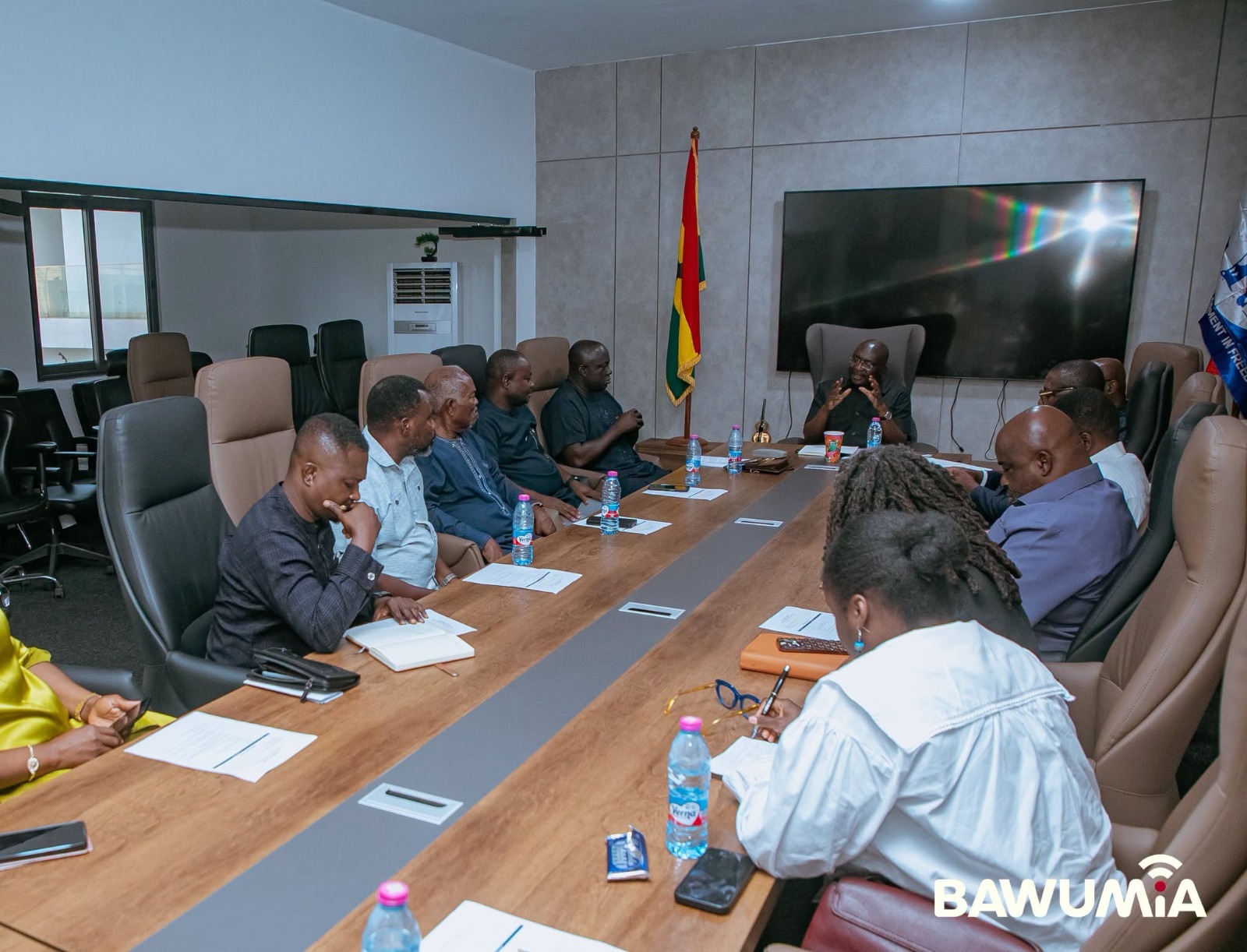
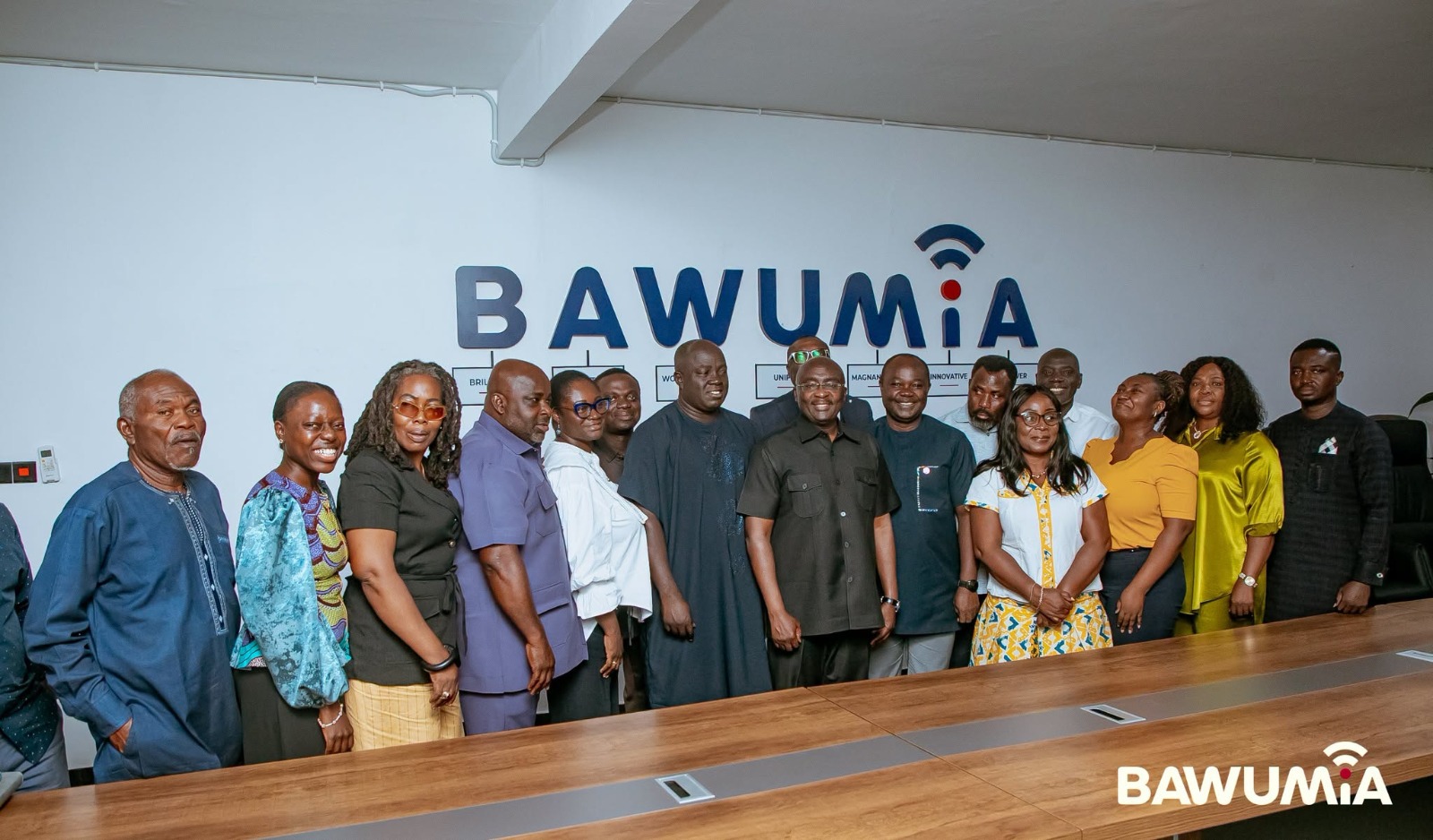
Dr. Bawumia met with the leadership of the Trade Advocacy Group Ghana (TAGG), an association representing traders, importers and other business people, to gather their views on the challenges confronting businesses and discuss possible policy interventions to improve the trading environment.
According to the former Vice President, the discussions centered on the difficulties businesses face in their daily operations, including concerns over import duties, port-related costs, shop rents, taxation and access to credit.
The engagement is part of a series of consultations Dr. Bawumia has been holding with professional bodies, industry associations and identifiable groups as he seeks to gather practical perspectives for the development of policies ahead of the next presidential election.
The concerns raised by the traders come against the backdrop of continuing debate over the cost and efficiency of the trading and import system.
The Ghana Revenue Authority currently applies a five-band customs tariff structure under the ECOWAS Common External Tariff, with rates of zero, five, 10, 20 and 35 per cent depending on the classification of goods. Importers may also face other statutory taxes, levies and fees depending on the goods involved.
Traders’ concerns over port-related costs have also coincided with recent congestion at Ghana’s ports. The Importers and Exporters Association of Ghana has warned that prolonged delays and operational bottlenecks could increase storage, demurrage, transport and other costs while threatening Ghana’s competitiveness as a regional trade destination.
Demurrage, in particular, has become a significant concern for businesses when delays in cargo clearance result in additional charges. Recent developments at Tema Port have highlighted the potential effect of prolonged vessel waiting times and congestion on businesses dependent on imported goods.
Against this background, Dr. Bawumia said the Trade Advocacy Group presented a number of concerns that require policy attention, including what the traders described as high and arbitrary import duties.
Dr. Bawumia said the central objective of the discussion was to identify policies that could address the difficulties raised by the traders while creating conditions for increased business activity and job creation.
He also linked the discussion to the ambition of becoming a major trade hub in the West African sub-region, arguing that the country would need a business environment that makes trade more predictable, efficient and competitive.