
By Grace Zigah
Iranian singer Parastoo Ahmadi has lost her appeal against a sentence of 74 lashes after performing without a hijab in a concert streamed online.
The 29-year-old singer and eight other people involved in the production of the concert were sentenced in June 2026 after authorities prosecuted them over a performance uploaded in December 2024.
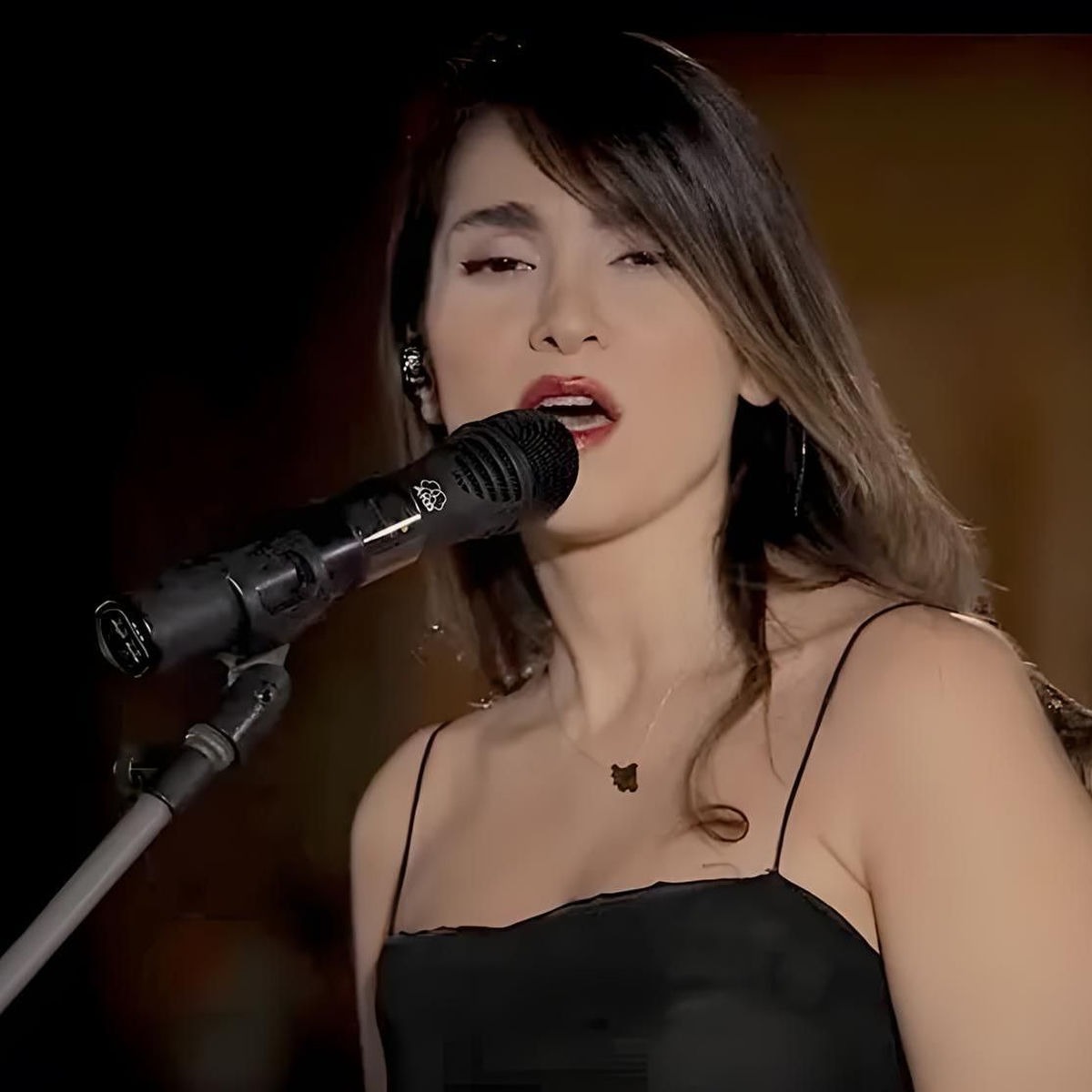
Ahmadi performed alone during the concert without wearing a hijab, accompanied by male musicians. The performance was uploaded to YouTube and attracted millions of views, bringing widespread attention to the case.
The Criminal Court of Qom Province convicted Ahmadi and members of her production team of offences relating to what authorities described as “offending public decency” through the publication of “vulgar and immoral content” online.
Alongside the 74 lashes, the original ruling imposed a two-year ban on Ahmadi leaving Iran and a two-year prohibition on artistic activities. Similar penalties were imposed on other members of the team.
Her legal team challenged the ruling, but the appeal was rejected by an appeals court in Qom in September. Reports citing her lawyers said the appeal was dismissed without a hearing, leaving the original sentence in place.
The ruling means the punishment is now final. However, reports have not established when or where the flogging would be carried out.
The case has attracted criticism from human rights organisations, which have objected to both the flogging sentence and the restrictions placed on the artists.
The Abdorrahman Boroumand Centre described flogging as a degrading and violent form of punishment, while lawyers and rights groups have questioned whether artistic expression should form the basis of criminal charges. Amnesty International has also described flogging as “cruel, inhuman and degrading punishment.”
The case stems from Ahmadi’s Caravanserai Concert, an audience-free performance shared online in late 2024.
Her appearance without a headscarf drew particular attention because Iranian law requires women to observe compulsory hijab rules in public.
Women have also faced restrictions on solo public singing since the establishment of the Islamic Republic in 1979.
The performance subsequently went viral, turning Ahmadi’s case into an international story about artistic expression and restrictions on women in Iran.


