BY ISSAH OLEGOR
Former Vice-President Dr Mahamudu Bawumia is renewing call for a comprehensive transformation of Ghana’s sports sector, placing modern infrastructure, transparent investment, grassroots development and technology at the centre of his vision for the industry.
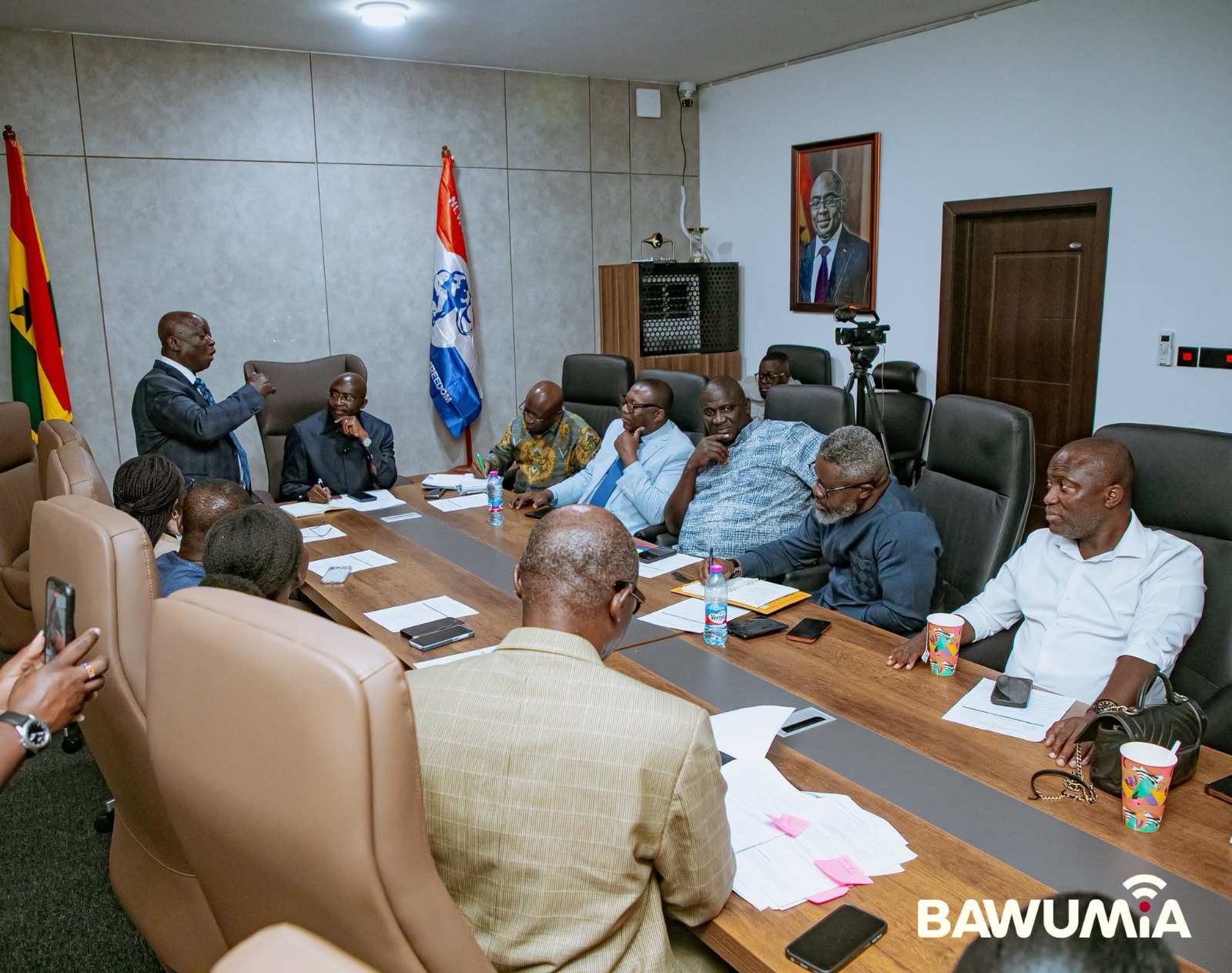
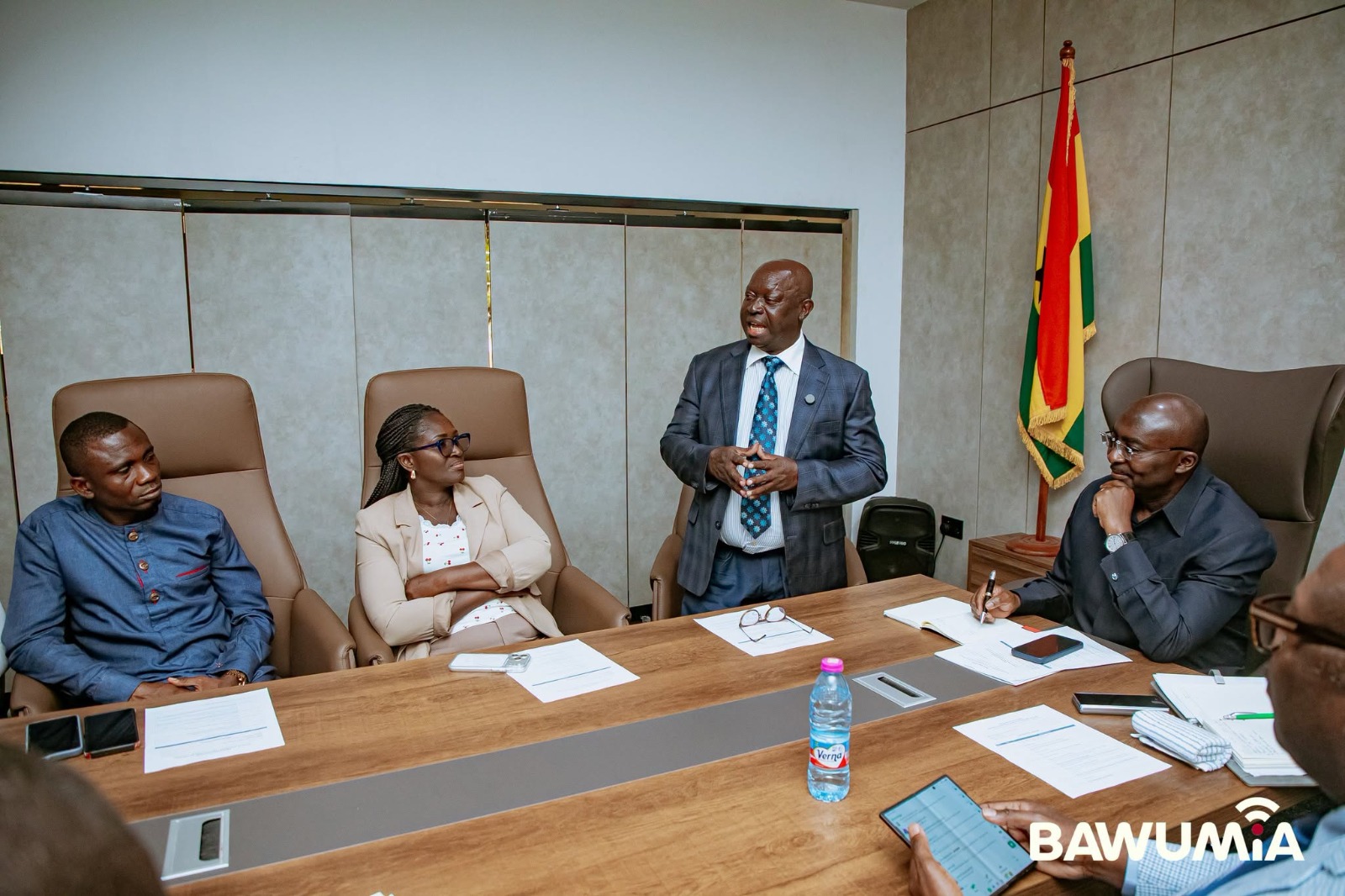
Dr Bawumia made his position known following a meeting with the leadership of the Sports Writers Association of Ghana (SWAG), who visited his office to discuss the future of sports in the country.
In a public statement after the engagement, the former Vice-President expressed appreciation to the SWAG leadership for the visit, describing their discussions as fruitful and focused on the way forward for Ghanaian sports.
He indicated that he remained committed to building a sports sector capable of creating sustainable opportunities for young people while improving the competitiveness on the international stage.
However, his renewed emphasis on infrastructure development, transparent investment and grassroots sports has reopened a broader debate about how successive governments have managed Ghana’s sporting potential and what concrete measures are required to turn the country’s abundant talent into lasting success.
At the heart of Dr Bawumia’s latest position is a proposed approach that combines infrastructure development with investment accountability, youth development and private-sector participation.
Rather than focusing exclusively on the construction or rehabilitation of sporting facilities, his statement identifies several interconnected areas that he believes should shape the future of Ghanaian sports.
These include modern sports infrastructure, transparent investment, the strengthening of school and colts sports, the application of technology and partnerships with private businesses.
His emphasis on modern infrastructure reflects the longstanding demand for improved facilities to support athletes, footballers and other sportsmen and women across the country.
Dr Bawumia’s statement suggests that these areas should form part of a broader strategy to create a more sustainable sporting environment.
He did not, however, announce specific funding commitments, project timelines or detailed implementation measures in the statement.
One of the significant elements of Dr Bawumia’s vision is his call for stronger school and colts sports.
School competitions and grassroots football have historically played an important role in identifying and developing sporting talent in Ghana.
Inter-school competitions provide young athletes with opportunities to demonstrate their abilities, while colts football offers a pathway for children to develop their skills before progressing to higher levels of the game.
Ghana has produced numerous footballers and athletes who began their development through local competitions, school programmes and community-based sporting structures.
However, the development of young talent requires sustained investment, regular competitions, qualified coaching and facilities that are accessible to communities beyond the major urban centres.
A stronger grassroots system could also help broaden opportunities for young people who lack the financial resources or connections needed to access private academies and specialised training programmes.
Dr Bawumia’s proposal places renewed emphasis on these foundations, suggesting that the country’s sporting future should not depend solely on the performance of established national teams.
The challenge will be translating that vision into practical programmes that benefit schools, local clubs, coaches and young athletes across the country.
Another major component of Dr Bawumia’s position is his call for stronger partnerships between the public and private sectors.
Government funding has traditionally played a significant role in Ghana’s sports administration, particularly in the financing of national teams, major competitions and sporting infrastructure.
However, competing demands on public finances have often made it difficult to meet every investment need within the sector.
Private-sector partnerships could provide an additional source of funding for facilities, sports academies, competitions, athlete development and commercial activities.
He has identified transparent investment as one of the principles underpinning his vision, although his statement did not outline specific accountability mechanisms or proposals for monitoring expenditure.