By Daniel Bampoe
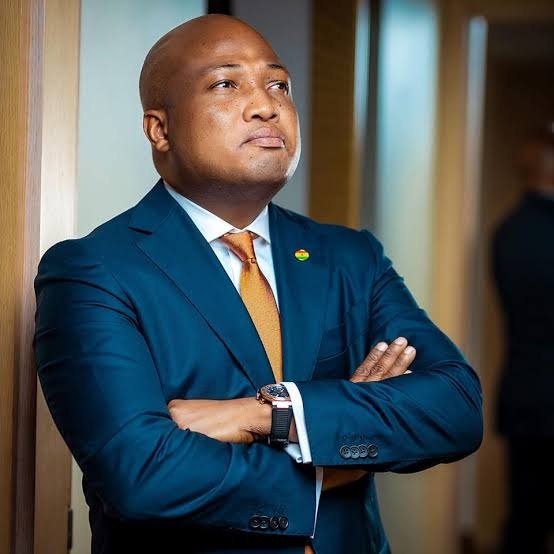
Foreign Affairs Minister Samuel Okudzeto Ablakwa has come under intense political pressure following explosive allegations by the Minority Caucus in Parliament that diplomatic and service passports were allegedly issued to unqualified individuals through a suspected payment arrangement involving officials of the Ministry of Foreign Affairs and the Passport Office.
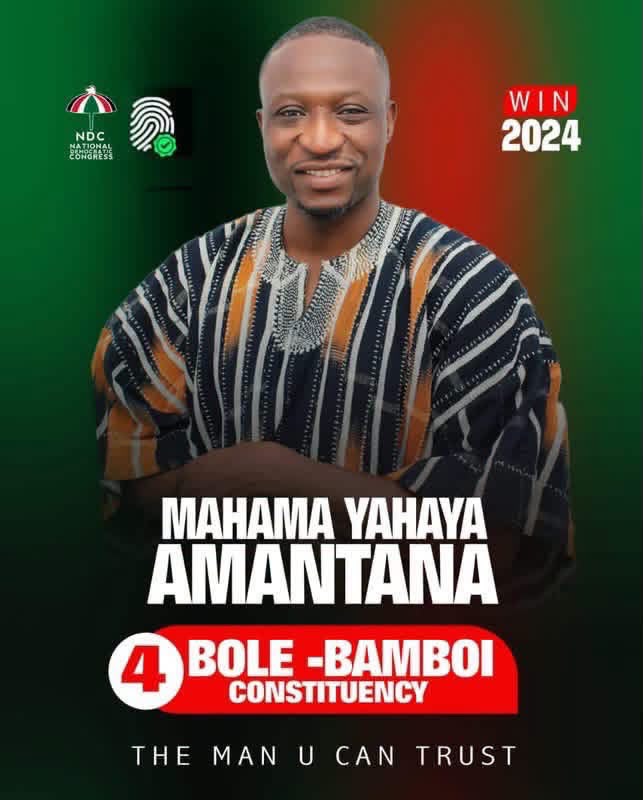
In its most significant disclosure, the Ministry confirmed that the interdicted Acting Director of Passports, Mahama Yahaya Amantana, was not qualified to hold that position.
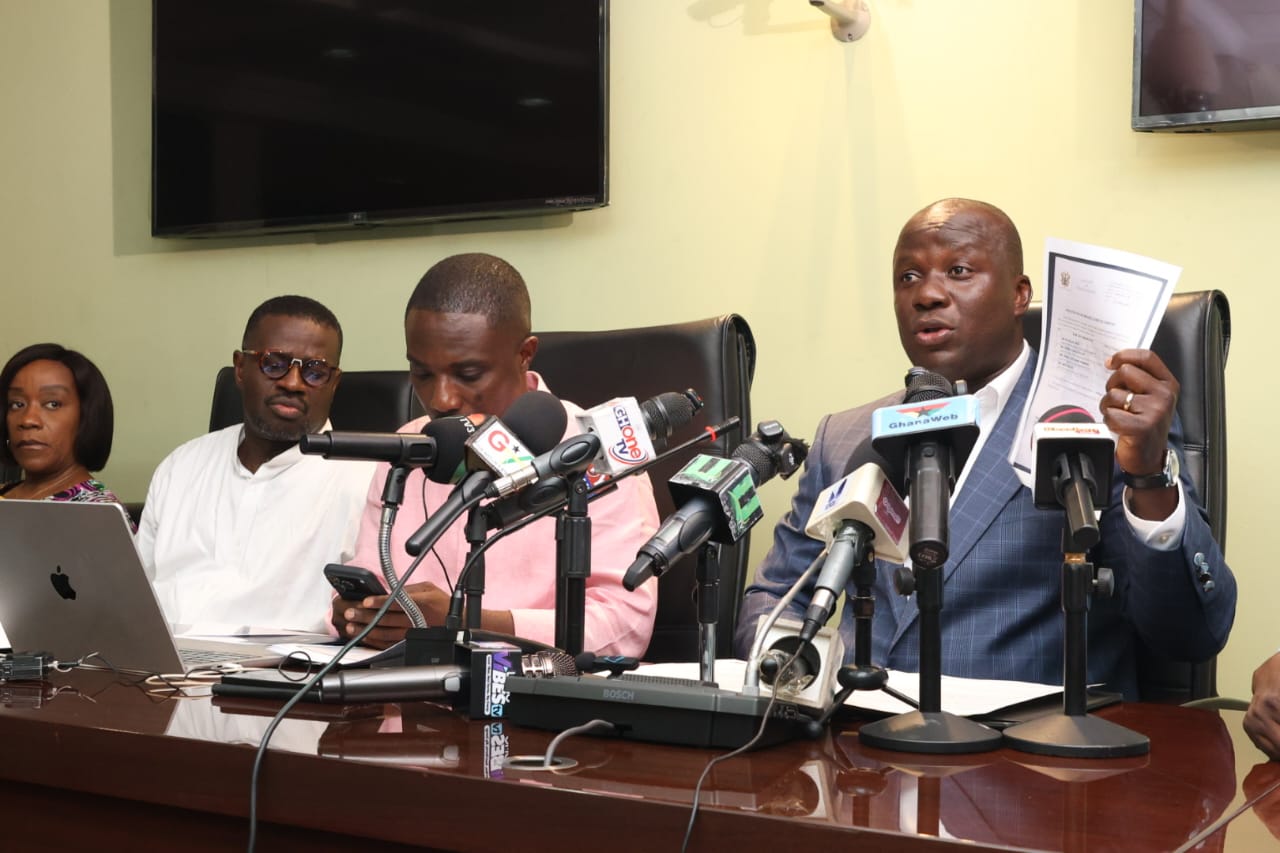
The Minority says it has obtained approval letters, copies of passports, bank deposit slips and mobile money transaction records which, according to its investigations, point to an alleged scheme through which individuals paid intermediaries to secure special Ghanaian passports by being assigned official positions they did not hold.
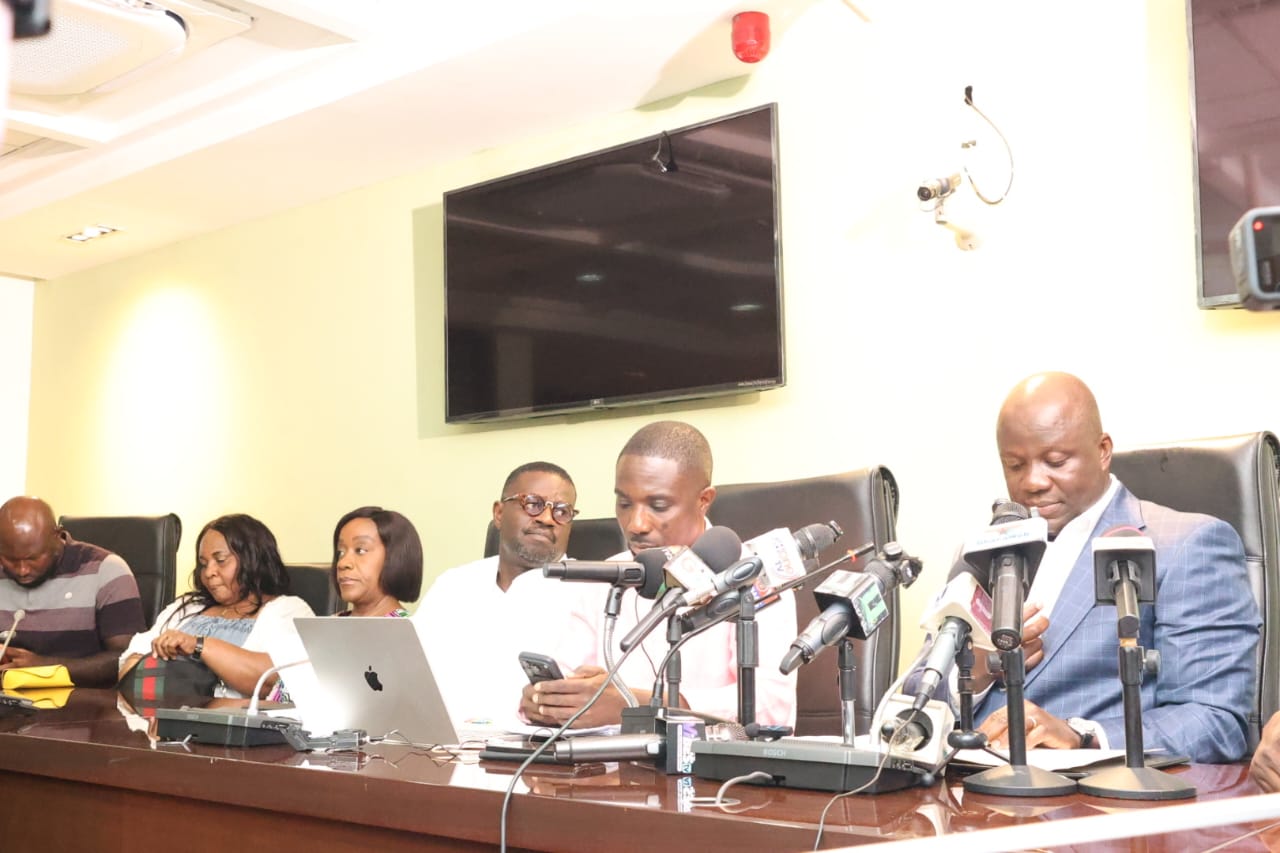
The allegations were presented by the Ranking Member of Parliament’s Foreign Affairs Committee, Samuel Abu Jinapor, at a press conference on Sunday, November 8, 2026.
The caucus claimed that the documents it had obtained raised serious questions about the approval process under the authority of the Foreign Affairs Minister and demanded a full parliamentary investigation into what it described as the alleged sale and irregular issuance of diplomatic and service passports.
Okudzeto Ablakwa has been embroiled in scandal upon scandal in the recent past starting with the evacuation of stranded Ghanaians where over GHC16 million cannot be accounted for.
However, in a strongly worded response issued on the same day, the Ministry of Foreign Affairs rejected the suggestion that diplomatic passports were being sold, insisting that the investigations currently underway concern an illegal service passport scheme that allegedly operated as far back as 2023, before the present administration assumed office.
The Ministry disclosed that two officials had been interdicted and referred to the Ghana Police Service for further investigations, while several service passports allegedly issued illegally had been cancelled. It also maintained that Ablakwa personally initiated action after receiving petitions concerning the suspected scheme.
The competing accounts have opened a fresh political confrontation over the integrity of Ghana’s official travel documents, the responsibility of the Foreign Affairs Minister and whether the Ministry’s internal investigation is sufficient to establish accountability.
Minority Uncovers Passport-for-Sale Arrangement
At the centre of the Minority’s allegations is a suspected travel and tour operation allegedly facilitated by individuals connected to the Ministry of Foreign Affairs and the Passport Office.
According to Jinapor, information received by the opposition suggests that officials of the Ministry and the Passport Office allegedly established or operated a travel and tour business through which paying customers could obtain diplomatic or service passports to facilitate international travel, particularly to European destinations.
The alleged arrangement was reportedly managed in Ghana by an individual identified as Ibrahim Wallee, while Bright Yeboah Owusu was said to be operating as an agent resident in Europe.
The Minority alleges that customers who patronised the arrangement paid money to secure special passports despite not meeting the legal requirements for such documents. To make the applications appear legitimate, the individuals were allegedly assigned official positions and designations within public institutions, including positions which the caucus claims did not exist.
Under the alleged arrangement, applicants were presented as government officials, civil servants or public officers, thereby creating the impression that they qualified for diplomatic or service passports.
The Minority further alleged that some personnel of the Foreign Affairs Ministry assisted the passport holders at the airport to avoid or reduce scrutiny by immigration officers when travelling abroad.
Jinapor claimed that information available to the caucus suggested that approximately 300 Ghanaians had travelled to Europe and other destinations using diplomatic and service passports allegedly obtained through the alleged fraudulent arrangement.
These claims have not been independently established, and the Ministry’s response disputes the suggestion that diplomatic passports were being sold. Nevertheless, the Minority says the documents in its possession justify a parliamentary inquiry into the entire passport approval and issuance process.
Ablakwa’s Name Appears on Approval Letters
One of the most politically significant aspects of the Minority’s presentation concerns letters issued in the name of Foreign Affairs Minister Samuel Okudzeto Ablakwa, granting approval for the issuance of diplomatic and service passports to individuals presented as officials of various public institutions.
Jinapor displayed copies of the letters, which he said were signed by the Ministry’s Chief Director, Ambassador Khadija Iddrisu, on behalf of the minister.
The first document, identified by the Minority as SAJ 1, was dated June 1, 2026, and carried reference number SCR.PA/1(S). It reportedly approved the issuance of service passports to persons described as officials of the Greater Accra Regional Coordinating Council.
Among the names listed was an individual identified as Mr. Amoh Boadi, described in the letter as Deputy Director of Audit Services.
However, the Minority said it had obtained another letter, identified as SAJ 2, dated June 4, 2026, which also contained the name Amoh Boadi, but this time described him as Deputy District Coordinating Director of the Akrofuom District Assembly.
The opposition questioned how the same individual could appear in two separate approval letters issued just three days apart, under different official positions at different public institutions.
It demanded explanations about whether the two entries referred to the same person, who supplied the official designations and what verification procedures were undertaken before the approvals were granted.
The Minority argued that the apparent inconsistency raises concerns about the reliability of the institutional recommendations submitted to the Ministry and the checks conducted before special passports were approved.
The caucus also presented a third letter, dated June 5, 2026, approving service passports for four persons described as officials of the Ghana Technical and Vocational Education and Training Service.
According to Jinapor, the Minority’s checks suggested that some of the individuals listed in the letter did not occupy the positions attributed to them.
Further documents were also presented concerning supposed officials of the Fisheries Commission and the National Disaster Management Organisation.
The Fisheries Commission approval letter, identified as SAJ 4, was dated August 7, 2026, while the document relating to NADMO, identified as SAJ 5, was dated August 6, 2026.
The Minority alleged that some of the positions listed in these documents did not exist, while other individuals did not hold the official designations attributed to them.
For the opposition, the central question is how the Ministry could approve special passports based on institutional positions that its own checks allegedly suggest were inaccurate or non-existent.
The appearance of the minister’s name on approval letters issued on his behalf has become a major political issue, although the documents presented by the Minority do not, by themselves, establish that Ablakwa personally authorised any fraudulent arrangement or had knowledge of the alleged misrepresentations.
Bank Deposits and Mobile Money Records Presented
Beyond the approval letters, the Minority also presented what it described as financial evidence connecting payments to Bright Yeboah Owusu, the individual identified as an agent in the alleged passport arrangement.
Jinapor displayed copies of GCB Bank cash deposit receipts, including one dated June 24, 2026, and another dated June 15, 2026, which he said showed payments made to the agent.
The caucus also presented mobile money transaction records, including a payment allegedly made on June 24, 2026, and additional transfers identified as SAJ 8, SAJ 9 and the SAJ 10 series.
According to the Minority, individuals who provided the records claimed that the payments were made to secure diplomatic or service passports and associated travel arrangements.
The opposition argues that the transaction records, when examined alongside the approval letters and passport documents, raise questions about whether a commercial operation was being conducted around the issuance of official Ghanaian travel documents.
It wants Parliament to establish who received the money, who benefited from the transactions, whether officials within the Ministry or Passport Office were involved and whether the payments were connected to the approval and issuance of the passports.
The Minority also recounted claims from some alleged customers who reportedly paid money but were left stranded when they attempted to travel because the promised assistance from officials was not provided.
Some of these individuals allegedly said their calls went unanswered and they were unable to recover the money they had paid.
Others, according to the Minority, managed to travel abroad with assistance from the agent and persons allegedly connected to the Ministry.
The caucus says these accounts make it necessary to investigate not only the issuance of the passports but also the alleged financial arrangements and the role of intermediaries.
What the Law Says About Diplomatic and Service Passports
The Minority has also sought to explain the legal distinction between ordinary, diplomatic and service passports, arguing that the special categories are not intended to be commercial travel privileges available to anyone who can afford to pay.
Jinapor cited Section 6 of the Passports and Travel Certificates Act, 1967 (NLCD 155), as amended, which outlines the categories of persons eligible for diplomatic passports.
These include members of government travelling abroad on official business, Ghanaian diplomatic and consular officers, certain accompanying or resident family members, heads of delegations representing the country at international conferences, and prominent citizens or high public officials where the government considers that such passports are required for their travel.
Service passports, described under Section 7 of the legislation as special passports, are intended for public officers and other Ghanaians travelling abroad strictly on official state business who do not qualify for diplomatic passports.
The Minority argues that the privileges attached to these documents make their integrity particularly important.
According to Jinapor, diplomatic passports allow holders visa-free access to 62 countries, while service passports provide access to 59 countries without visas. He identified Hong Kong, Qatar and Turkey as three destinations where the treatment of the two categories differs.
The caucus warned that if individuals were being assigned false public positions to obtain such passports, the practice could undermine the confidence foreign governments place in Ghanaian official travel documents.
It argues that the issuance of these passports carries a responsibility to ensure that holders genuinely qualify and use them for the purposes for which they were issued.