BY Issah Olegor
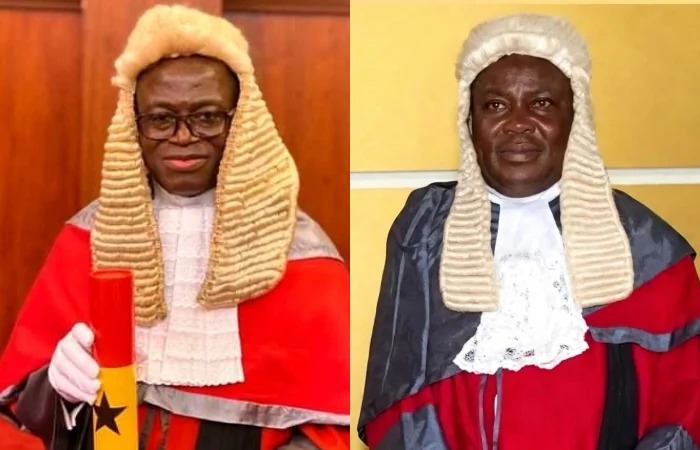
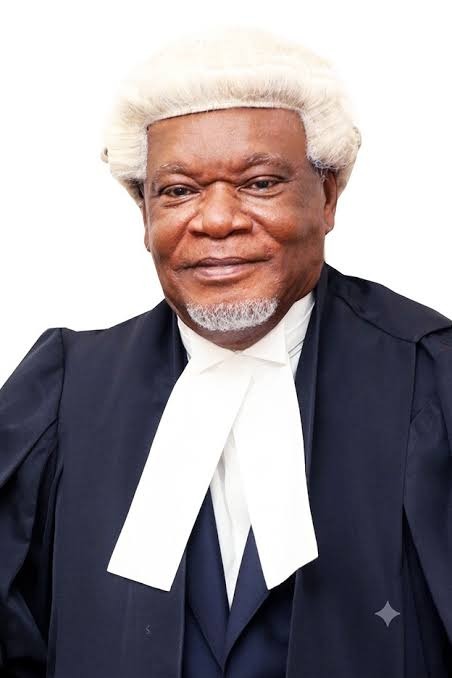
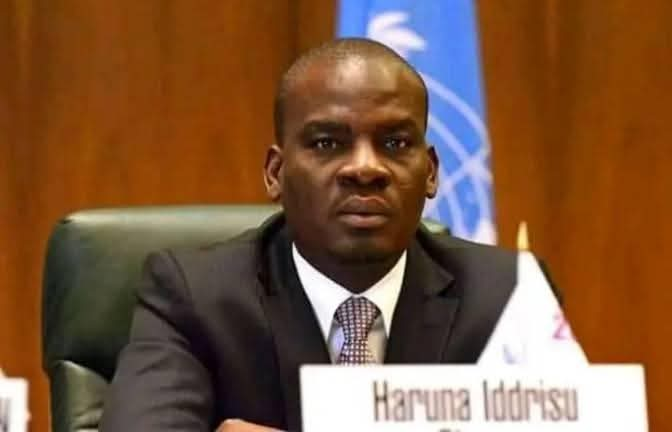
Justice Gabriel Scott Pwamang has emerged at the centre of intense speculation over the succession to the Chief Justice position, with reports suggesting that President John Dramani Mahama may have settled on the senior Supreme Court judge ahead of Justices Emmanuel Yonny Kulendi and Senyo Dzamefe.
However, conflicting media accounts have created uncertainty over the President’s preferred candidate, while the Presidency has yet to issue an official announcement confirming a nominee.
The latest development has also revived controversy surrounding Justice Pwamang’s role as chairman of the committee that investigated petitions that removed former Chief Justice Gertrude Araba Esaaba Sackey Torkornoo from office in 2025.
A report by The Law Platform on Monday, November 23, 2026, claimed that the Presidency had settled on Justice Pwamang to become Ghana’s next Chief Justice, succeeding Justice Paul Baffoe-Bonnie, who is expected to reach the mandatory retirement age of 70 in December.
His elevation to the Chief Justice position will make all heads of the three arms of government northerners- President John Mahama, Speaker Alban Bagbin and Justice Scott Pwamang.
Justice Baffoe- Bonnie is currently on leave ahead of retirement.
The report described Justice Pwamang as the leading candidate for the position, partly because of his seniority on the Supreme Court bench and his experience within the judiciary.
However, a subsequent report by GhanaWeb on Tuesday, November 24, cited a source at the Presidency as saying that President Mahama had instead settled on Justice Emmanuel Yonny Kulendi and submitted his name to the Council of State for consideration. Kulendi is a choice of a prominent clergy who had wanted his church member to head the judiciary in competition with another charismatic church which has produced two Chief Justices including Justice Torkornoo in recent past.
The conflicting reports have generated uncertainty over the eventual choice, with 3News reporting on November 24 that neither the Presidency, the Council of State nor Parliament had officially announced a Chief Justice-designate.
According to the reports naming Pwamang and Kulendi remain media accounts rather than formal confirmation of a presidential nomination.
Justice Senyo Dzamefe was also in the race allegedly playing his Volta to woo the appointing authority.
The Pwamang Controversy: His Role In Torkornoo’s Removal
Beyond the succession contest, Justice Pwamang’s possible elevation has attracted attention because of his involvement in the constitutional process that culminated in the removal of former Chief Justice Gertrude Torkornoo.
Pwamang was believed in judicial circles to be the architect of the plot to remove Justice Torkornoo. That story will be revisited.
In April 2025, President Mahama appointed Justice Pwamang, a Supreme Court Justice, to chair a five-member committee established under Article 146(6) of the 1992 Constitution to investigate petitions seeking the removal of Justice Torkornoo.
The committee was constituted after the President received three petitions calling for the removal of the then Chief Justice. The allegations included claims of misconduct and stated misbehaviour, which Justice Torkornoo contested.
Allegations Of A Political Reward
Justice Pwamang’s possible emergence as the next Chief Justice has reopened debate over whether his leadership of the Article 146 committee could become a factor in public perceptions of his suitability for the position.
Some political commentators and critics have alleged that appointing him to the country’s highest judicial office would amount to rewarding him for chairing the committee whose recommendation preceded Justice Torkornoo’s removal.
The allegation has generated questions about the relationship between the removal process and the subsequent succession debate.
However, claims that Justice Pwamang conspired to secure the former Chief Justice’s removal have not been established by a court judgment or official finding cited in the reports surrounding his possible appointment.
Who Are The Three Justices In The Succession Discussion?
Justice Gabriel Scott Pwamang is currently the most senior Supreme Court Justice after Chief Justice Paul Baffoe-Bonnie. Born on August 17, 1960, he was called to the Ghana Bar in 1988 and appointed to the Supreme Court in June 2015 by President Mahama. He was Peoples National Convention, PNC General Secretary.
His seniority has placed him in an important administrative position within the Judiciary. In November 2026, he was assigned to act as Chief Justice while Justice Baffoe-Bonnie was away from the jurisdiction.
Justice Emmanuel Yonny Kulendi, another prominent name in the succession debate, was born on November 29, 1963, and called to the Bar in October 1994. He built his legal career in private practice before being appointed to the Supreme Court in 2020.
He was sworn into office on May 26, 2020, after parliamentary approval. The Judicial Service’s current seniority listing places him sixth among the Supreme Court justices.
Justice Senyo Dzamefe has also featured in media discussions about possible candidates.
The Judicial Service’s roll places Justice Pwamang ahead of Justice Kulendi in seniority, but seniority alone does not determine who becomes Chief Justice.
The other members of the committee included Supreme Court Justice Samuel Kwame Adibu-Asiedu, former Auditor-General Daniel Yaw Domelevo, Major Flora Bazwaanura Dalugo of the Ghana Armed Forces and University of Ghana Associate Professor James Sefah Dzisah.
Justice Pwamang’s appointment as chairman placed him at the head of one of the most consequential judicial inquiries in the recent constitutional history.
On September 1, 2025, the committee submitted its first report to President Mahama. At the presentation, Justice Pwamang disclosed that the panel had examined evidence relating to the first petition, which was filed by Daniel Ofori.
According to the committee chairman, 13 witnesses testified on behalf of the petitioner, while Justice Torkornoo personally testified and called 12 witnesses, including experts, in her defence.
The committee received approximately 10,000 pages of documentary exhibits from both parties, with each side represented by four lawyers.
Justice Pwamang said the committee had undertaken a critical assessment of the evidence, including expert testimony, against the relevant constitutional and legal provisions before arriving at its recommendation.
He subsequently handed the committee’s recommendation to the President in a sealed envelope.
The committee also disclosed that the second petitioner and Justice Torkornoo had requested an adjournment of the second petition, which was granted. It indicated that reports on the second and third petitions would be submitted later.
Following receipt of the committee’s recommendation, President Mahama announced the removal of Justice Torkornoo from office with immediate effect on September 1, 2025.
A statement from the Presidency said the committee had found that the grounds of stated misbehaviour under Article 146(1) had been established in respect of the first petition and recommended her removal.
The President consequently acted under Article 146(9), which requires him to act in accordance with the committee’s recommendation.
Justice Torkornoo subsequently challenged aspects of the process through legal proceedings, maintaining her objections to the circumstances surrounding her removal.
Allegations Of A Political Reward
Justice Pwamang’s possible emergence as the next Chief Justice has reopened debate over whether his leadership of the Article 146 committee could become a factor in public perceptions of his suitability for the position.
Some political commentators and critics have alleged that appointing him to the country’s highest judicial office would amount to rewarding him for chairing the committee whose recommendation preceded Justice Torkornoo’s removal.
The allegation has generated questions about the relationship between the removal process and the subsequent succession debate.
However, claims that Justice Pwamang conspired to secure the former Chief Justice’s removal have not been established by a court judgment or official finding cited in the reports surrounding his possible appointment.
His role as chairman of the committee was part of a process established under Article 146 of the Constitution. The committee heard evidence from both the petitioner and the Chief Justice before submitting its recommendation.
Who Are The Three Justices In The Succession Discussion?
Justice Gabriel Scott Pwamang is currently the most senior Supreme Court Justice after Chief Justice Paul Baffoe-Bonnie. Born on August 17, 1960, he was called to the Ghana Bar in 1988 and appointed to the Supreme Court in June 2015 by President Mahama.
His seniority has placed him in an important administrative position within the Judiciary. In November 2026, he was assigned to act as Chief Justice while Justice Baffoe-Bonnie was away from the jurisdiction.
That temporary responsibility, however, does not automatically make him the substantive successor to the Chief Justice.
Justice Emmanuel Yonny Kulendi, another prominent name in the succession debate, was born on November 29, 1963, and called to the Bar in October 1994. He built his legal career in private practice before being appointed to the Supreme Court in 2020.
He was sworn into office on May 26, 2020, after parliamentary approval. The Judicial Service’s current seniority listing places him sixth among the Supreme Court justices.
Justice Senyo Dzamefe has also featured in media discussions about possible candidates, although the reports identifying him as a contender have not established that he has been formally shortlisted or nominated.
The Judicial Service’s roll places Justice Pwamang ahead of Justice Kulendi in seniority, but seniority alone does not determine who becomes Chief Justice.
What The Constitution Says About The Appointment
Under Article 144(1) of the 1992 Constitution, the Chief Justice is appointed by the President in consultation with the Council of State and with the approval of Parliament.
This means that even if the President has settled on a preferred candidate, the constitutional appointment process must still be completed before that person can assume the substantive office.
Article 144(6) separately provides that when the office of Chief Justice is vacant, or the incumbent is unable to perform its functions, the most senior Supreme Court Justice performs those functions until a substantive appointment is made.