President John Mahama government is set to roll out its long-anticipated chip-embedded passports on April 28, 2025, marking a significant milestone in the country’s digital identity and travel document reforms.
The announcement, made by Foreign Affairs Minister, Samuel Okudzeto Ablakwa, revives a transformative initiative that was first launched by President Nana Addo Dankwa Akufo-Addo in December 2024.
This development signifies the operational phase of the e-passport system, which was ceremoniously unveiled at the Accra International Conference Centre on December 2, 2024, by President Akufo-Addo.
The then President Akufo-Addo described the initiative as a bold step into a future of enhanced travel security, national pride, and global credibility.
“The chip-embedded passport is more than a technological upgrade—it is a symbol of our sovereignty and a statement of our readiness to meet the highest global standards,” President Akufo-Addo said at the launch event.
The document incorporates advanced biometric features, including facial recognition and fingerprint data stored securely within a microchip, making it virtually immune to forgery or tampering.
The passport’s physical design also reflects Ghanaian identity, integrating Adinkra symbols such as Fawohodie (freedom) and Funtunfunefu Denkyemfunefu (unity in diversity), reinforcing national values while aligning with the International Civil Aviation Organization’s (ICAO) Document 9303 guidelines for e-passports and Machine Readable Travel Documents (MRTDs).
Though introduced under Akufo-Addo’s leadership, the baton of implementation now lies with Ablakwa, who has reaffirmed the government’s commitment to modernizing passport services and curbing entrenched inefficiencies without referencing his predecessor, Shirley Ayorkor Botchwey who started the process.
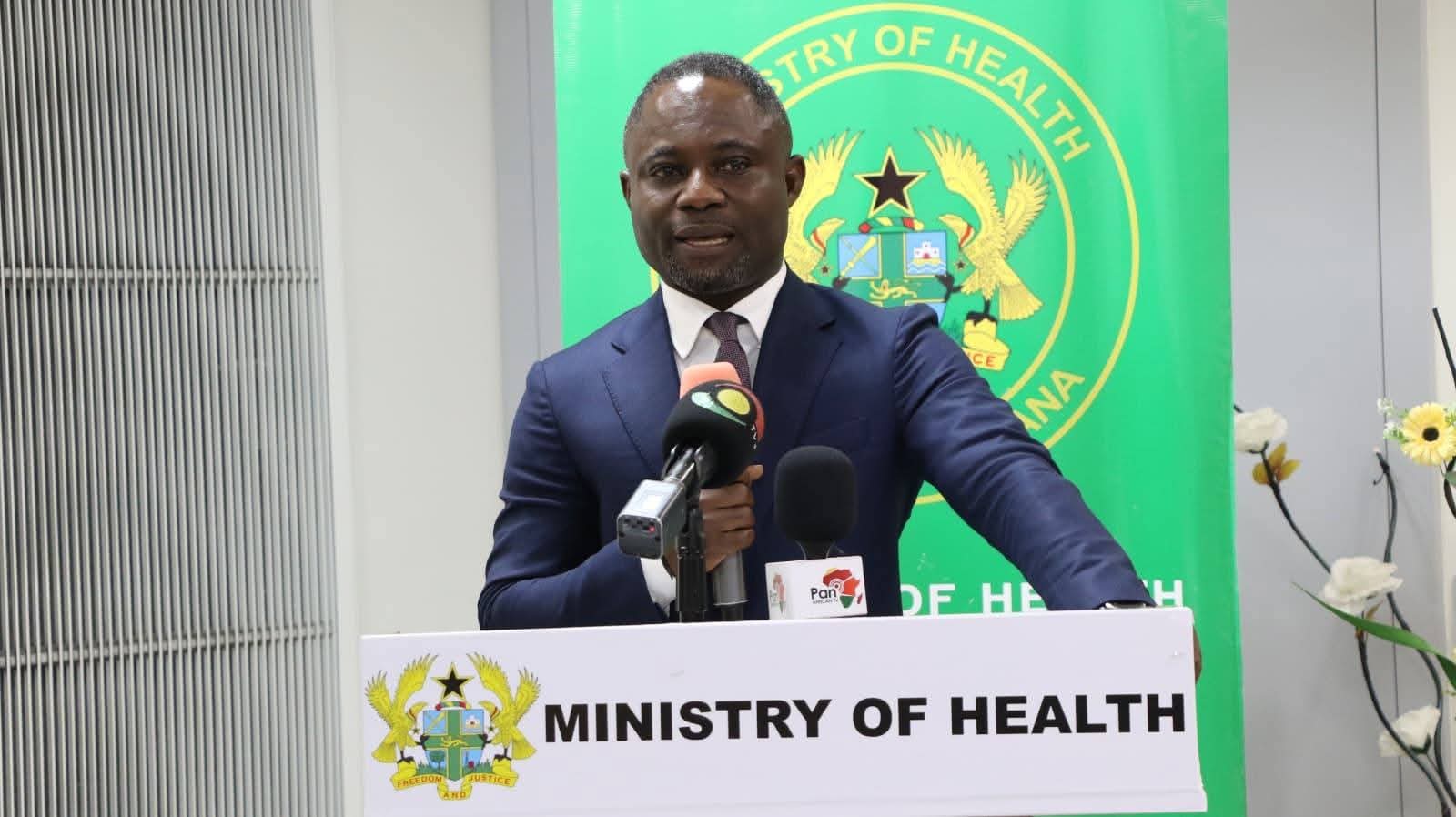
“Ghana’s journey with chip-embedded passports began in 2010 with the biometric passports. However, the critical microchip component storing biometric data was left out. We are now completing that journey,” Ablakwa stated during his April 23 briefing.
He emphasized that the rollout was part of a broader reform strategy aimed at eradicating fraud, eliminating the influence of unlicensed intermediaries—commonly referred to as “goro boys”—and making passport services more accessible and efficient.
To this end, Ablakwa announced the commencement of a new 24-hour passport processing and door-to-door delivery service starting April 28.
“This represents a major leap forward in our efforts to stay ahead of emerging threats and ensure the integrity of Ghana’s travel documents,” he added. Applicants are advised to submit accurate contact details for smooth courier delivery, both domestically and internationally.
The Foreign Affairs Ministry has collaborated with global and local partners to upgrade infrastructure, including new secure document printers and a streamlined online application system.
Passport offices across the country and missions abroad are expected to experience significant workflow improvements.
While the operationalization of the chip-embedded passports under Ablakwa marks a new chapter, it also serves to reaffirm and reinforce the legacy of the initiative’s architect—President Akufo-Addo.
The former president envisioned the new passport system as a testament to Ghana’s innovation, a symbol of citizen dignity, and a tool for global integration.