By Issah Olegor
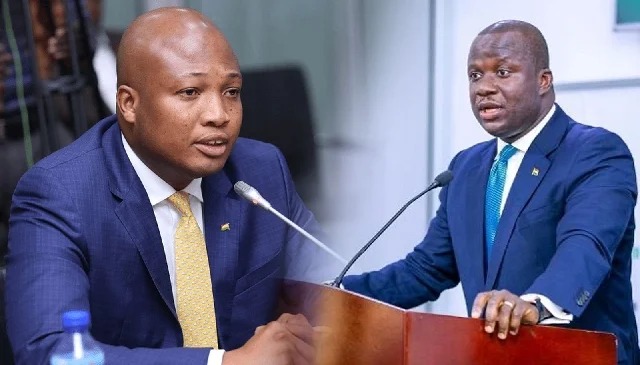
Majority Leader Mahama Ayariga, has emphasized the need for balanced national development, urging equal attention across all sectors of the economy.
Speaking during a media engagement in Parliament, the Bawku Central MP reaffirmed Parliament’s constitutional duty to hold the Executive accountable through its Committee System.
According to Ayariga, every sector—be it health, education, infrastructure, agriculture, or climate sustainability—requires targeted investment and strategic oversight to ensure the equitable growth of Ghana.
“We cannot afford to leave any area behind,” he stressed. “Parliament, through its committees, plays a vital role in ensuring no sector is neglected.”
He highlighted that for Parliament to effectively carry out its oversight responsibilities, all parliamentary committees must submit regular reports on the performance and activities of government agencies under their scrutiny.
These reports, he explained, form the basis for legislative interventions and ensure ministries and departments stay aligned with national development priorities.
The media encounter, which was organized to brief journalists on the current session of Parliament, offered insights into key governance issues including MP attendance in the Chamber, transparency in legislative processes, the oversight role of Parliament, and proposed amendments to Ghana’s Constitution.
Other matters discussed included the capping of Supreme Court justices and the status of government business and bill submissions.
Climate Change
A significant portion of the briefing was dedicated to Ghana’s growing focus on climate change and environmental policy.
Ayariga revealed that the Government’s decision to appoint Issifu Seidu as a Minister of State in charge of Climate Change and Sustainability reflects a serious commitment to the climate agenda.
He noted that Seidu had already begun reviewing international climate policies and best practices to inform Ghana’s response to emerging environmental threats.
“We are not starting from scratch,” Ayariga said. “We are studying what works elsewhere to tailor effective solutions for our own climate challenges.”
This development comes at a time when global and local pressures are mounting on countries to take meaningful steps in combating climate change and adapting to its impact, especially in vulnerable sectors like agriculture and coastal communities.
Chief Justice Controversy
In a related development, Deputy Minority Leader, Patricia Appiagyei, addressed questions regarding the Minority’s role in the recent petition to remove Chief Justice Gertrude Torkornoo.
She clarified that the action was not an attempt to sabotage government operations but a constitutional intervention to safeguard democratic principles.
“Our objective is not obstruction,” she stated firmly. “Our actions are rooted in the need to uphold the rule of law and preserve the integrity of our democratic institutions.”
Strengthening Democratic Accountability
The media interaction underscored Parliament’s ongoing efforts to improve transparency, institutional reforms, and citizen engagement in governance.
Both Majority and Minority leadership acknowledged the public’s increasing demand for accountability and pledged to work collaboratively to strengthen parliamentary effectiveness.
Ayariga concluded by reiterating that inclusive development, environmental sustainability, and constitutional order must remain at the heart of Ghana’s progress, and Parliament’s responsibility is to ensure these ideals are upheld through rigorous legislative scrutiny and balanced policymaking.