–By Daniel Bampoe
The Minority in Parliament is demanding the immediate withdrawal of the controversial 8% levy on petroleum products and urging the government to initiate broad-based stakeholder consultations before introducing such a burdensome tax measure.
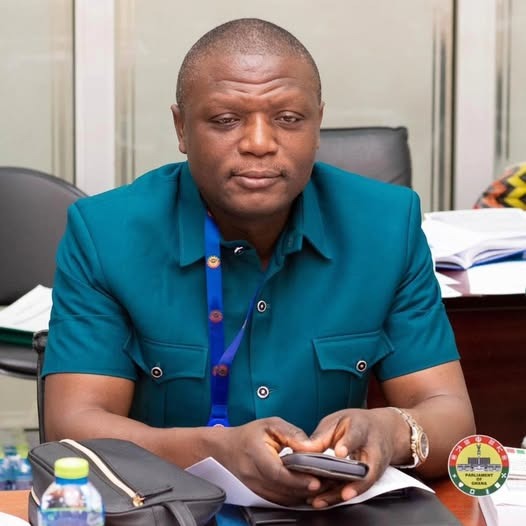
Addressing a press conference in Parliament on Monday, June 9, 2025, the Ranking Member on the Economy and Development Committee, Kojo Oppong Nkrumah, accused the government of unilaterally imposing the fuel levy without public engagement, parliamentary transparency, or stakeholder involvement.
The levy, which translates into approximately GHS1 extra per liter of fuel, has sparked a backlash from petroleum industry players and civil society organizations.
“This levy was smuggled into Parliament late in the day, through a one-page addendum that was not captured in the day’s order paper and not discussed at the Business Committee level,” Oppong Nkrumah told reporters.
“It was rushed through under a certificate of urgency without public input, stakeholder consultation, or even proper parliamentary debate.”
He described the government’s approach as “disingenuous, sneaky, and completely undemocratic,” warning that the policy could further aggravate the already high cost of living in the country.
The Minority’s primary demand is that the government withdraw the fuel levy and return to the table to consult key stakeholders, including transport unions, consumer associations, the Chamber of Bulk Oil Distributors, and other civil society organizations.
“If the government is truly committed to democratic governance and transparency, it should do the right thing—withdraw the levy and consult,” Oppong Nkrumah said.
“We believe there are more sustainable and less punitive ways to address the energy sector challenges without punishing ordinary Ghanaians.”
He emphasized that policy decisions of such magnitude, especially those affecting millions of Ghanaians and with direct implications for fuel prices, food costs, and inflation, must be preceded by adequate dialogue and consensus-building.
Confusion over the purpose of the levy
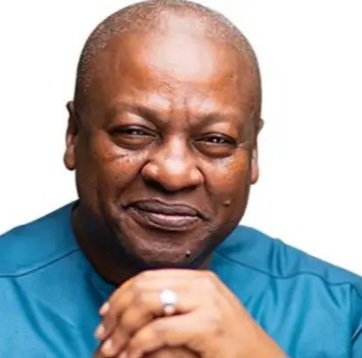
The Ofoase Ayirebi legislator said adding to the concerns is the government’s mixed messaging on the purpose of the levy. While some officials have argued that it is meant to pay down energy sector debts, others—including President John Mahama and Energy Minister John Jinapor—have suggested it is needed to procure fuel and support the energy sector’s operational efficiency.
“The narrative keeps shifting. One moment, they say it’s to pay down legacy debt; the next, they say it’s to support fuel procurement. Which is it?” Oppong Nkrumah asked.
“Such confusion only deepens public distrust and makes the levy appear more like a revenue grab than a targeted economic policy.”
The Minority argues that the expected GHS9 billion revenue from the levy over the next 18 months is insufficient to tackle the estimated GHS80 billion in energy sector liabilities and will instead become a permanent burden on consumers.
Impact on the poor and working class
He said the 8% levy applies to every liter of petroleum products purchased at the pump, making it a regressive tax that disproportionately affects the poor and working class.
Oppong Nkrumah pointed out that for every gallon of fuel, Ghanaians are paying about GHS4.50 more—a significant increase at a time when inflation remains high and real wages have stagnated.
“Transport fares will rise. Food prices will rise. Every item that is transported across the country will become more expensive. And all this is happening without any attempt to cushion the average Ghanaian,” he said.
Comparing the levy to the now-defunct E-Levy introduced under the NPP, the Minority noted that the E-Levy had a lower rate (1%), included exemptions for the vulnerable, and underwent months of public consultation.
“This fuel levy, in contrast, was rushed, harsh, and silent,” Oppong Nkrumah emphasized.