
–By Daniel Bampoe
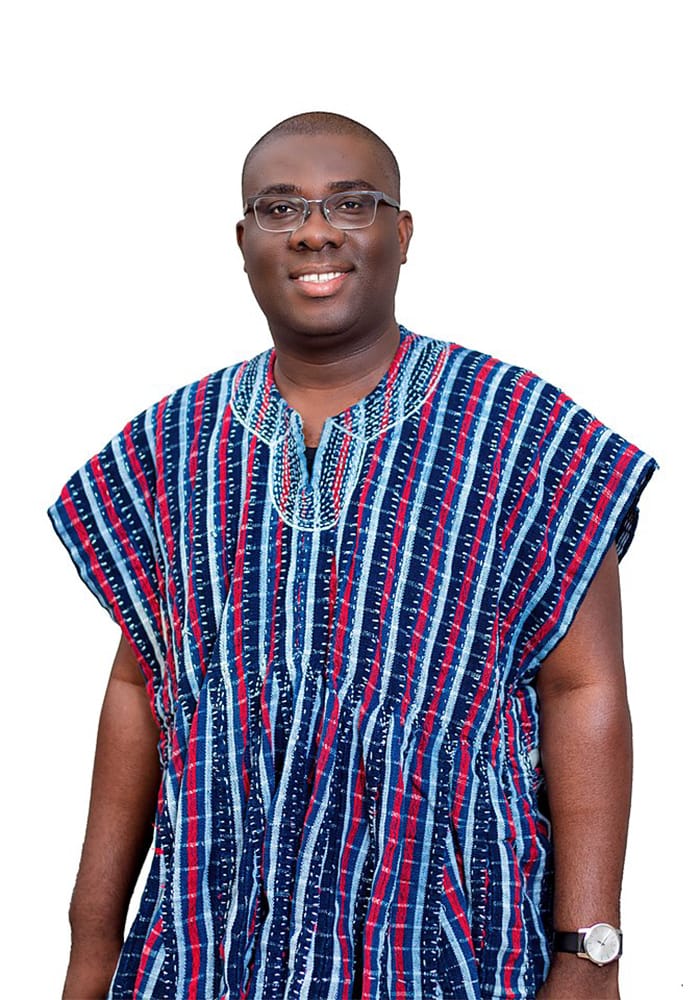
Amid the deepening national crisis sparked by the ongoing strike by the Ghana Registered Nurses and Midwives Association (GRNMA), Member of Parliament for Akuapem North, Sammi Awuku, has delivered a pointed and heartfelt address in Parliament, urging Ghanaians and political actors alike to show empathy—not hostility—toward the country’s embattled healthcare workers.
Sammi Awuku’s intervention came during Parliamentary deliberations following a detailed statement by Dr. Nana Ayew Afriyie, Ranking Member of the Parliamentary Select Committee on Health, on the far-reaching impact of the nurses’ industrial action.
Rather than focus solely on the legality or legitimacy of the strike, Awuku directed national attention to what he described as “a deeper crisis of political cynicism, broken systems, and public indifference” toward the plight of frontline health professionals.
Let’s Stop the Abuse
In a rare departure from partisan rhetoric, Awuku admonished those who have chosen to politicize the strike or vilify the nurses for their decision to withdraw services.
“Instead of political apparatchiks and propagandists subjecting these nurses to abuse, insults, and unfair language,” Awuku stated, “the Ministry of Health must take urgent and meaningful steps to ensure the grievances raised by these nurses—and indeed, the broader health sector—are not only addressed, but prevented from recurring.”
He stressed that no Ghanaian is immune from the unpredictability of illness and medical emergencies, drawing a poignant analogy: “Just like a fish caught in a net or a bird in a trap, disaster can strike any day. And when it does, we all rely on these same health professionals for survival.”
Crisis Rooted in Systemic Failures
The nationwide strike, which began on June 2, 2025, has seen over 128,000 nurses and midwives in the public sector withdraw their services.
The GRNMA insists the action was triggered by the government’s failure to implement key provisions of the 2024 Collective Bargaining Agreement, which was meant to improve salaries, allowances, and working conditions.
Although the National Labour Commission declared the strike illegal and secured a court injunction, the GRNMA maintains that it has not been formally served, continuing their withdrawal of services.
The fallout has brought Ghana’s health system to its knees, especially in major facilities like Korle-Bu, Komfo Anokye, and Tamale Teaching Hospital, where patients are being turned away and doctors are stretched to their limits.
In Sammi Awuku’s view, this dire situation is symptomatic of a broader systemic dysfunction. “This is not just about salary delays,” he emphasized. “It’s about a lack of communication, absence of policy foresight, and a persistent disregard for the basic welfare of healthcare professionals.”
Awuku praised the Health Committee’s engagement with stakeholders, including the GRNMA, which culminated in a high-level meeting earlier this week.
The Committee has since indicated that progress is being made to de-escalate the crisis.
However, Sammi Awuku believes dialogue alone is insufficient without structural change.
He called on the Minister for Health and the Ministry of Finance to move beyond public relations and take concrete, inclusive action that reflects the realities faced by nurses on the ground.
We Can’t Call Them Heroes and Abandon Them

Dr. Ayew Afriyie, Ranking Member on Parliament’s Health Committee, addressing the floor of Parliament issued a sobering warning to the government and public.
He said Ghana cannot continue to glorify nurses during emergencies and discard their concerns once the danger passes.
“We call them heroes when there’s a pandemic,” he declared “But when the applause fades, we abandon them. That cycle must end.”
According to Dr. Afriyie, the strike’s effects are already devastating.
He pointed to reports of growing tensions within facilities, citing an incident at Korle-Bu where a standoff erupted between striking junior staff and senior nurses attempting to provide emergency care.
“These flashpoints,” he said, “are symptoms of a deeper breakdown—not just of negotiations, but of trust.”


