By Nadia Ntiamoah
Parliament has approved President John Dramani Mahama’s latest batch of Supreme Court nominees, confirming all seven individuals despite fierce objections from the Minority side of the House.
The decision, taken during the Second Meeting of the Eighth Parliament on Tuesday, June 24, 2025, adds a fresh layer of controversy to the political climate already heightened by the ongoing suspension of Chief Justice Gertrude Torkornoo and debates surrounding judicial independence.
Divided House
The approval followed the presentation of a detailed report by the Appointments Committee, chaired by First Deputy Speaker and Akatsi South MP, Bernard Ahiafor.
According to the Committee, the nominees demonstrated “outstanding competence,” “deep knowledge of the law,” and “strong ethical grounding” during their vetting.
Those approved are:
Justice Senyo Dzamefe
Justice Sir Dennis Dominic Adjei
Justice Ghell Simon Suurbaarch
Justice Philip Bright Mensah
Justice Janapare Adrua Bartels-Kodwo
Justice Hafisata Amaleboba
Justice Kweku Tawiah Ackuah-Boafo
While the Majority Caucus of the National Democratic Congress (NDC) voted unanimously in support of the nominees, their counterparts in the Minority strongly rejected the approval, accusing the President of deliberately “stacking the bench” in a bid to influence future legal outcomes.
Accusations of Court Packing
Minority Leader Alexander Afenyo-Markin, leading the opposition to the nominations, characterized the approvals as part of a broader constitutional crisis.
“This is not merely about vacancies,” he said on the floor of Parliament. “We are witnessing a strategic move by the President to entrench political influence in the judiciary while the Chief Justice is under suspension and critical constitutional concerns remain unresolved.”
He also raised issues of “judicial bloat,” questioning the necessity of the appointments given the existing size of the Supreme Court and citing the NDC’s own previous objections to a perceived overstaffing of the apex court under past administrations.
A Vote of Confidence or Crisis Management?
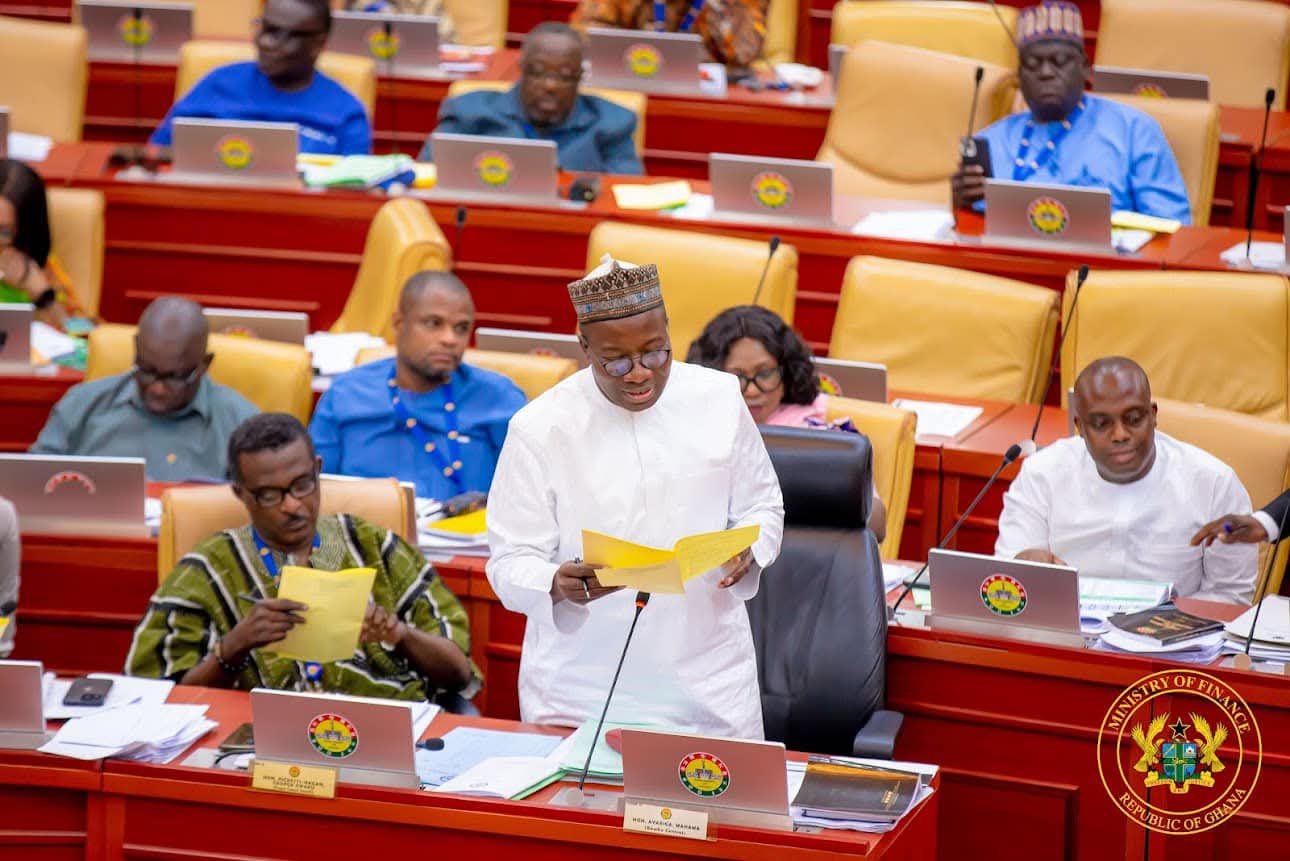
In sharp contrast, Majority Leader Mahama Ayariga defended the appointments as timely and legitimate, asserting that the President acted within the bounds of the Constitution.
“These individuals are some of the brightest legal minds in the country, and we are confident they will serve the Republic with distinction and independence,” Ayariga declared.
“This process has been open, constitutional, and thoroughly vetted.”
He cited Article 144 of the 1992 Constitution as the legal basis for the nominations and said Parliament had acted appropriately under Article 114 (2) and Order 217 of the Standing Orders in considering and approving the Committee’s report.
Context and Implications
This development comes at a time when the judiciary is under intense national scrutiny.
The recent suspension of Chief Justice Gertrude Torkornoo—who has challenged her removal in the Supreme Court—and public debates over the role of judges in political cases have led to concerns over the future direction of the judiciary.
Supporters, however, maintain that the appointments are necessary to strengthen the judiciary and resolve case backlogs at the apex court.
The approved nominees are expected to be sworn in later this week.