By Issah Olegor
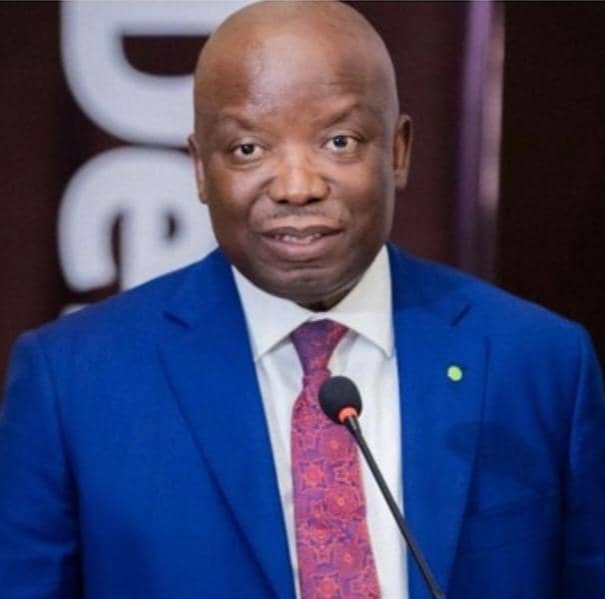
The Group Executive Chairman of KGL Group, Alex Apau Dadey, has called on African leaders, policymakers and the private sector to adopt a deliberate and coordinated strategy aimed at nurturing indigenous businesses into globally competitive enterprises capable of driving the continent’s long-term economic transformation.
Speaking at the 10th Ghana CEO Summit 2026 in Accra, attended by President John Dramani Mahama, senior government officials, business executives and policymakers from across Africa, Apau Dadey argued that Africa’s future prosperity will depend largely on its ability to build strong institutions, resilient enterprises and industrial-scale businesses capable of competing on the global stage.
Addressing participants on the theme, “Raising African Champions: Leadership, Resilience and Industrial Scale – Lessons from Ghana’s Business Transformation,” the KGL Chairman said Africa has spent decades being described as a continent of enormous potential, but the real challenge now lies in converting that potential into sustainable economic power and global influence.
According to him, economic transformation cannot be achieved through ambition alone. Instead, it requires intentional investments in leadership, institution-building, industrial development and long-term strategic planning.
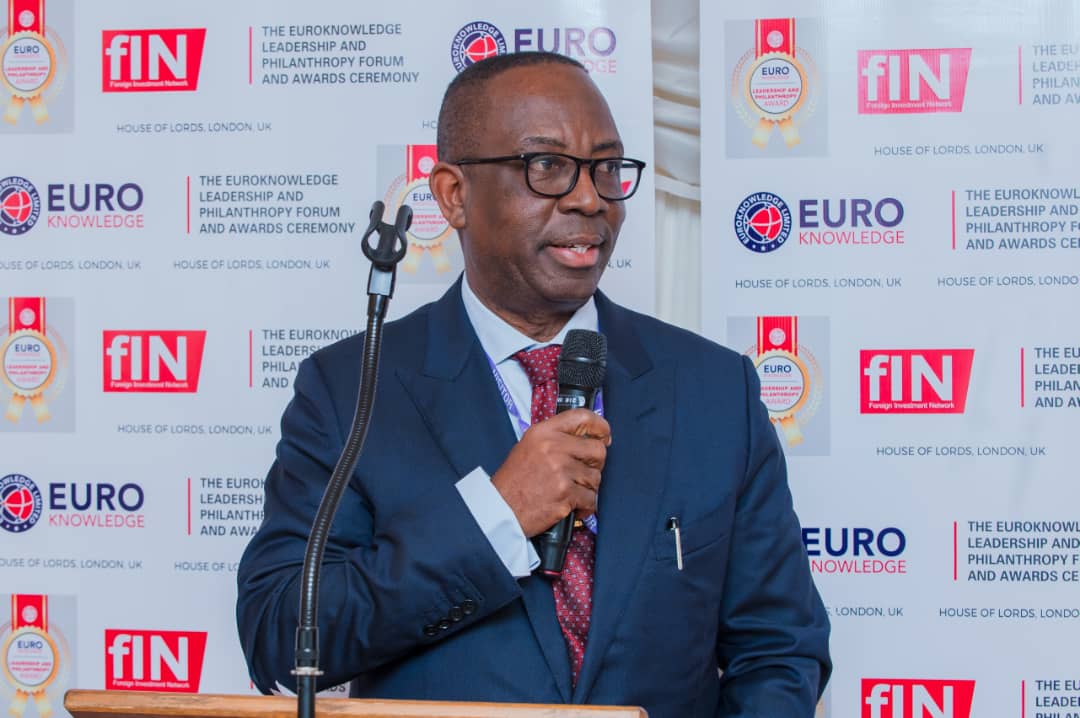
“Potential alone has never transformed any nation. Africa therefore faces a defining choice: either remain a market for the ambitions of others or build enterprises capable of shaping global economic outcomes ourselves,” Dadey stated.
Building African Champions
The KGL chairman emphasized that African governments must move beyond rhetoric and create policies that actively support the growth of responsible indigenous businesses.
He noted that while transparency, accountability and regulatory compliance remain critical, successful local enterprises should not be viewed with suspicion simply because they have achieved scale and influence.
According to him, many countries that successfully industrialized did so by deliberately supporting local businesses until they became globally competitive corporations.
He warned that Africa risks remaining dependent on foreign economic interests if governments fail to nurture homegrown enterprises capable of creating jobs, generating wealth and driving innovation.
“If Ghana does not protect and nurture its responsible indigenous enterprises, who will build the continental champions we aspire to?” he asked.
Africa Must Build Its Own Business Giants– KGL Boss
Dadey identified leadership as one of the most significant obstacles to Africa’s industrial and economic development.
He argued that while many African countries continue to invest heavily in physical infrastructure such as roads, ports and energy projects, insufficient attention has been given to building leadership structures capable of sustaining long-term national development.
According to him, genuine industrial transformation requires leaders who can think beyond political election cycles, quarterly financial reports and short-term interests.
He stressed that Africa needs visionary leaders committed to institution-building and economic transformation that can endure across generations.
“Industrialisation cannot succeed where leadership fails. Leadership remains Africa’s missing infrastructure,” he stated.
The Challenge of Wealth Preservation
Touching on the issue of wealth creation and sustainability, Dadey expressed concern about the inability of many African businesses to survive beyond the founding generation.
He observed that significant wealth generated on the continent often disappears within a single generation because businesses fail to establish proper governance systems, succession plans and reinvestment strategies.
According to him, sustainable economic development requires deliberate efforts to institutionalize businesses and preserve productive capital for future generations.
He called on African entrepreneurs and corporate leaders to place greater emphasis on corporate governance, succession planning and long-term investment strategies to ensure business continuity.
Commends Mahama’s Support for Local Enterprise
Dadey also used the platform to acknowledge President John Dramani Mahama’s advocacy for local content participation and indigenous ownership within Ghana’s economy.
He praised the President’s commitment to strengthening Ghanaian enterprises, describing local ownership as a critical pillar for sustainable economic growth and national development.
According to him, empowering Ghanaian businesses would not only create jobs but also help build stronger domestic industries capable of competing across Africa and beyond.
KGL Partners CNBC Africa
In a major announcement during the summit, Dadey unveiled a strategic partnership between KGL Group and CNBC Africa aimed at strengthening Africa’s business narrative on the global stage.
Under the partnership, KGL Group will host a CNBC Africa country office in Ghana, creating a new platform for promoting African business success stories, investment opportunities and economic discussions.
Dadey said the collaboration reflects a shared commitment to positioning Ghana as a key business destination while amplifying African voices within global economic conversations.
He explained that the partnership would help showcase the achievements of African entrepreneurs and strengthen international awareness of investment opportunities across the continent.
Ghana CEO Summit as a Platform for Transformation
The Ghana CEO Summit, which has grown into one of Africa’s most influential business leadership gatherings, continues to bring together government leaders, business executives and development experts to discuss issues affecting the continent’s economic future.
This year’s summit focused heavily on industrial transformation, economic resilience, private sector development and strategies for building globally competitive African enterprises.