BY Daniel Bampoe
Communication experts, academics, diplomats, journalists, policymakers and creatives from across the continent have called for a radical shift in how Africa is represented globally, warning that decades of externally driven narratives continue to distort the continent’s identity, opportunities and development prospects.
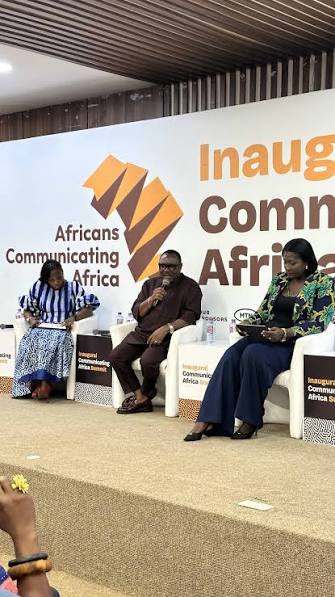
The call was made during the inaugural Communicating Africa Summit organised by Africans Communicating Africa (AfriComms Africa) in Accra, where participants stressed the urgent need for Africans to reclaim ownership of their stories and reshape the continent’s image in global discourse.
The summit brought together communication strategists, filmmakers, digital creators, academics, development practitioners and media professionals to discuss the future of African storytelling and how communication can become a strategic tool for development, influence and continental transformation.
Participants at the summit argued that for decades Africa has largely been defined globally through narratives of poverty, conflict, instability and dependency — portrayals they say were deeply shaped by colonial literature, Western media frameworks and long-standing stereotypes.
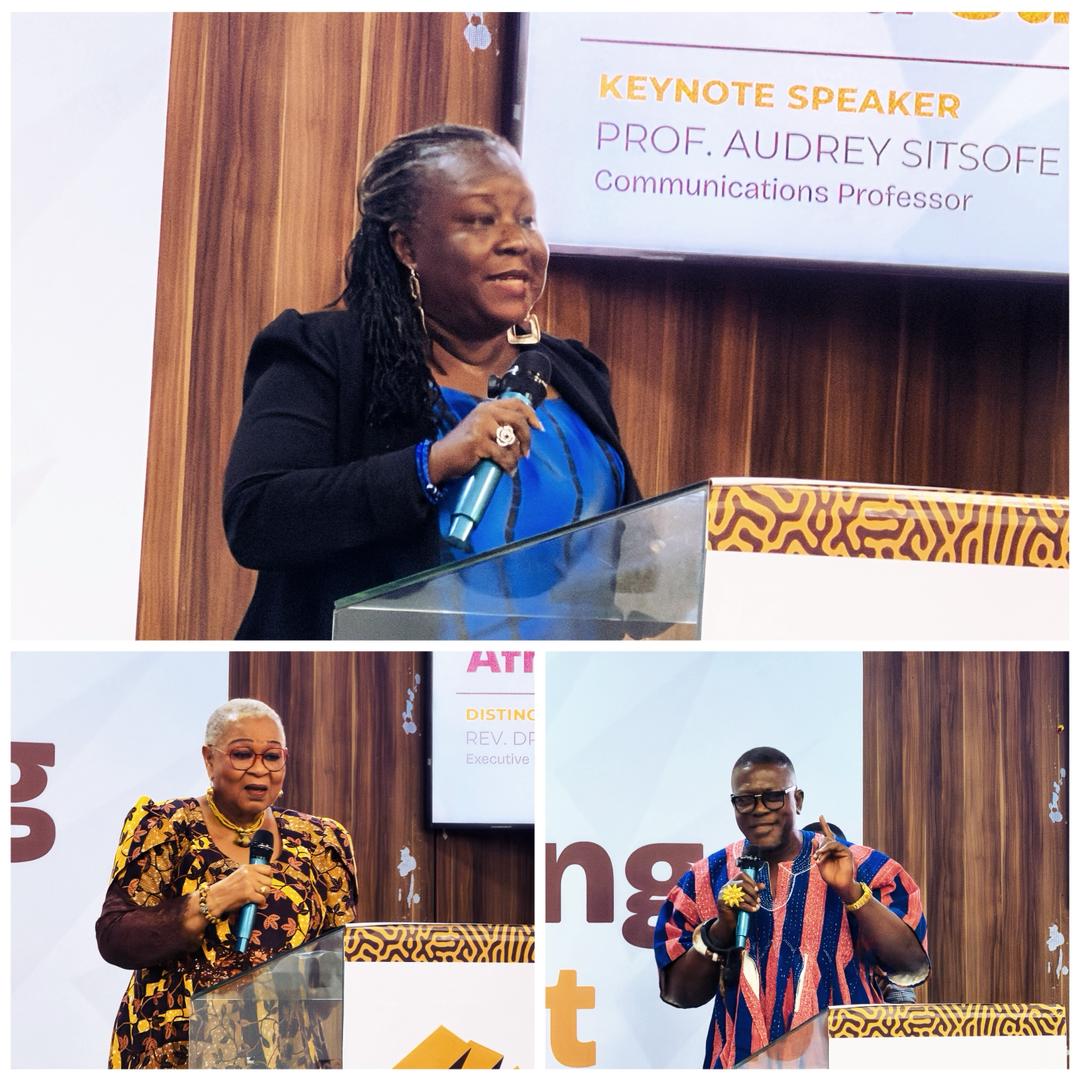
Opening discussions on the theme “Owning the African Narrative,” Prof Audrey Sitsofe Gadzekpo of the University of Ghana described the summit as a historic opportunity to reposition Africa within global communication systems and challenge what she termed the dangerous dominance of a “single story” about the continent.
According to Prof. Gadzekpo, persistent negative portrayals of Africa not only distort global understanding of the continent but also reinforce unequal power structures that affect investment, international policy decisions and even how Africans perceive themselves.
She warned that emerging technologies such as artificial intelligence could further deepen existing global biases if African datasets, governance systems and perspectives are excluded from technological development.
Prof. Gadzekpo stressed that Africa’s narrative struggle therefore goes beyond traditional media and extends into the digital and technological ecosystems increasingly shaping global communication.
Also addressing the summit, Joyce Aryee described the gathering as the beginning of a broader continental movement aimed at reclaiming Africa’s narrative sovereignty.
Rev. Aryee argued that Africa’s story should primarily be told by Africans themselves rather than through external lenses that consistently magnify crises while overlooking innovation, resilience, entrepreneurship and cultural progress.
According to her, reclaiming Africa’s narrative is not merely a branding exercise but a strategic issue directly linked to dignity, economic opportunity and the continent’s place in global affairs.
She further urged African communicators and development actors to anchor the continent’s growth story in responsible development, environmental stewardship and sustainable resource management to protect future generations.
Communications for Social Change Advocate, Togbe Kwasinyi Kakaklolo Agyeman V, also challenged Africans to treat communication not as a secondary skill but as a strategic instrument capable of shaping economic outcomes, institutional credibility and national development trajectories.
He argued that the way Africa is portrayed globally directly influences investment flows, diplomatic engagement and the continent’s international reputation.
The summit also highlighted the growing power of digital communication platforms in reshaping global narratives.
Conversation Lead and Communications for Development Advocate, Georgina Asare Fiagbenu, explained that the summit was inspired by a shared desire to build stronger networks among African communicators and empower Africans to tell more authentic stories about themselves.•
According to her, digital platforms have transformed ordinary Africans into global storytellers capable of influencing international conversations beyond the boundaries of traditional media.
She stressed that African storytelling must increasingly focus on innovation, creativity, professionalism and opportunity rather than allowing the continent to be defined solely through hardship narratives.
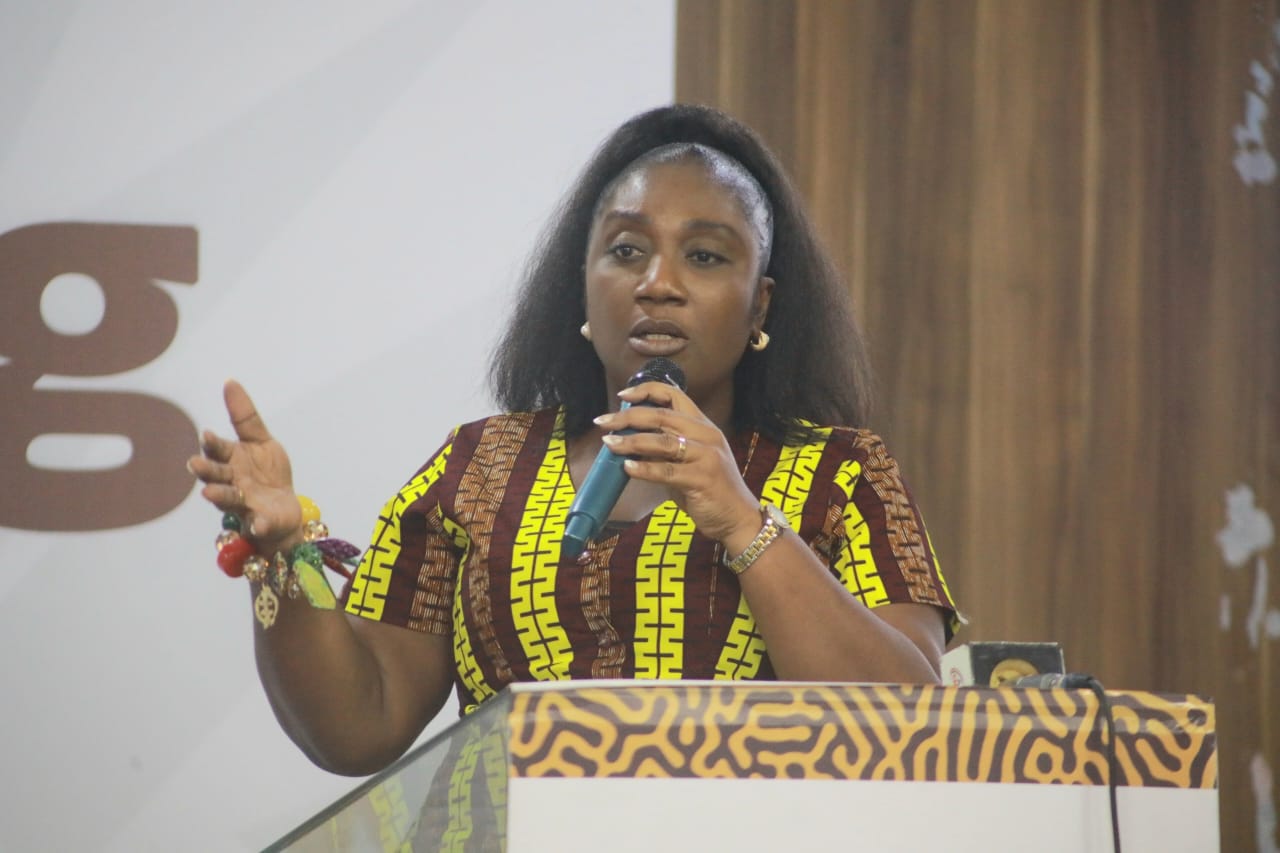
International Communication Strategist Vil Commey described AfriComms Africa not merely as a conference platform but as a long-term movement designed to drive measurable transformation in Africa’s global image through coordinated campaigns, collaborations and sustained engagement among communicators across the continent.
Meanwhile, Ghanaian musician and activist Okyeame Kwame challenged Africans to reconnect with their cultural identity and reject inherited colonial narratives that undermine African traditions, values and systems.
According to him, Africa’s storytelling crisis is not only external but also internal, as many Africans themselves have unconsciously embraced negative perceptions about their own heritage and identity.
He argued that sustainable progress cannot occur unless Africans first develop confidence and pride in their own worldview, traditions and cultural systems.
Participants at the summit concluded that Africa’s future influence will increasingly depend on its ability to strategically shape narratives across media, technology, education, culture and diplomacy rather than allowing others to define the continent’s identity on its behalf.