By Issah Olegor
The African Union (AU) has raised fresh concerns over the devastating impact of malaria on the continent, revealing that Africa continues to account for 94 percent of all malaria cases worldwide and 95 percent of global malaria-related deaths, despite years of interventions aimed at controlling the disease.
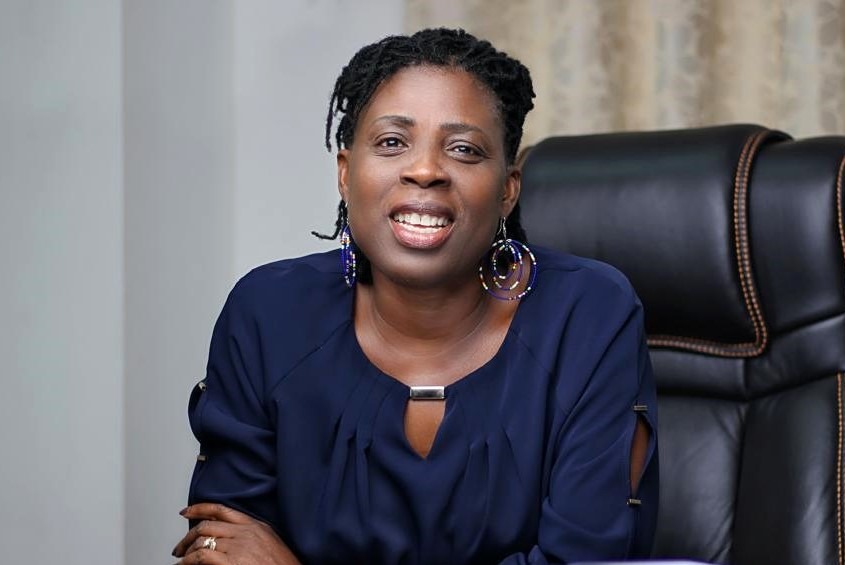
The alarming figures were disclosed by the African Union Commissioner for Health, Humanitarian Affairs and Social Development, Ambassador Amma Twum-Amoah, during the opening of the African Union Extraordinary Health Summit in Accra on Tuesday, July 21, 2026.
Addressing health ministers, policymakers, development partners and public health experts from across the continent, Ambassador Twum-Amoah said the statistics underscore the urgent need for African governments to intensify efforts to eliminate malaria and strengthen healthcare systems.
According to her, malaria continues to exact a heavy toll on millions of Africans, particularly children under the age of five, pregnant women and vulnerable communities, while also slowing economic growth and deepening poverty across the continent.
“Africa carries approximately 94% of global malaria cases and 95% of malaria deaths. Behind these figures are children who never reach their fifth birthday, families pushed deeper into poverty, and economies deprived of human potential,” she stated.
She noted that while progress has been made in expanding access to malaria prevention and treatment over the years, the disease remains one of Africa’s leading public health challenges.
The AU Commissioner called for renewed political commitment, increased domestic investment in healthcare and stronger collaboration among African countries, international partners and donor organisations to accelerate efforts towards malaria elimination.
She stressed that defeating malaria would require sustained financing, improved disease surveillance, expanded access to diagnostic services, effective treatment, widespread distribution of insecticide-treated mosquito nets and continued public education on prevention.
Ambassador Twum-Amoah also urged African leaders to prioritise health financing and build more resilient healthcare systems capable of responding not only to malaria but also to emerging infectious diseases and future public health emergencies.
The African Union Extraordinary Health Summit is bringing together health leaders, government officials, researchers, development partners and international health organisations to discuss practical strategies for improving healthcare delivery, strengthening disease surveillance and enhancing Africa’s preparedness for future health crises.
The summit is also expected to review progress made under continental health initiatives while identifying innovative financing mechanisms and partnerships to address persistent health challenges affecting millions of people across Africa.
Malaria remains one of the leading causes of illness and death on the African continent, accounting for the overwhelming majority of global infections.
Despite significant investments in prevention and treatment, health experts warn that climate change, drug and insecticide resistance, inadequate healthcare infrastructure and funding gaps continue to hinder efforts to eliminate the disease.
The African Union believes that stronger cooperation among member states and sustained investment in health systems will be critical to reducing malaria infections and saving millions of lives across the continent in the years ahead.