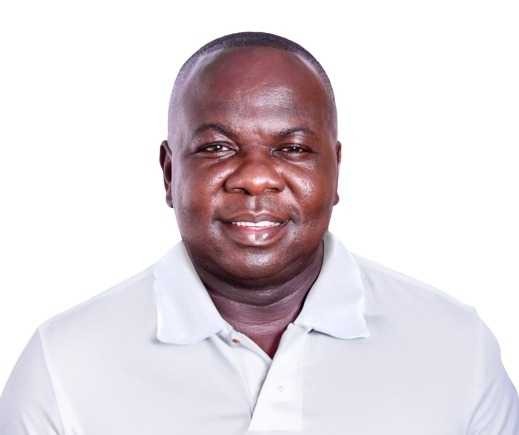
By Issah Olegor
The Member of Parliament for Tano North and aide to the former Vice President Dr Mahamudu Bawumia, Dr. Gideon Boako, has strongly refuted recent claims by Finance Minister Dr. Cassiel Ato Forson that Ghana’s recent currency stability is due to the work of the newly inaugurated Ghana Gold Board (GoldBod).
According to Dr. Boako, the foundation for the current cedi stability was laid by the Bawumia-led economic management team of the previous New Patriotic Party (NPP) administration, not by a board that only became operational days ago.
In a pointed article, Dr. Boako criticized the National Democratic Congress (NDC) and its Communications Officer, Sammy Gyamfi, for what he described as a shallow understanding of macroeconomic policy dynamics and reserve management.
“Like the typical NDC, our GoldBod CEO, Sammy Gyamfi, is failing to appreciate the issues,” Dr. Boako wrote, suggesting that the opposition was wrongly attributing economic outcomes to initiatives that could not yet have had time to impact the broader economy.
Building Reserves
Dr Boako emphasized that the NPP government’s economic policy under Dr. Mahamudu Bawumia focused first on building both gold and gross international reserves before injecting dollars into the forex market.
He argued that this approach—although not sustainable in the long term if done repeatedly—provided the structural foundation needed to stabilize the Ghanaian cedi.
He noted that under the International Monetary Fund (IMF) program, Ghana was initially restricted to limited forex interventions capped between $60 million and $80 million.
However, by December 2024, the NPP administration had exceeded the IMF’s reserve requirements—covering more than three months of imports—leading to the lifting of those restrictions.
“This removal is what has enabled this current government to inject virtually all the gold proceeds from January to date into the market to contain the depreciating cedi,” he said.
Gold Reserves Surge Under NPP
Citing official data, Dr Boako said that Ghana’s gold holdings increased by an impressive 247.75% from 8.78 tonnes in May 2023 to 30.53 tonnes by the end of 2024 under the NPP’s “Gold for Reserves” program.
In comparison, he noted that the current NDC government has only managed a marginal increase of 0.84 tonnes—just 2.75% of the total gold stockpile.
According to Dr Boako, the significant boost in gold and foreign currency reserves—now standing at $10.6 billion—was a major shield against global financial instability and is what has provided the Bank of Ghana with the firepower to support the cedi in recent months.
GoldBod Timeline
Dr. Boako also challenged the timing of the Finance Minister’s attribution of cedi stabilization to the newly-formed GoldBod.
The GoldBod Act, he pointed out, was passed by Parliament on March 29, 2025, assented to by the President on April 2, and the board only formally constituted on May 19.
“It rarely takes five weeks for the comprehensive effects of such a policy to translate into measurable currency stability,” Boako argued.
“Macroeconomic policies—especially institutional reforms and commodity-backed interventions—require several months or even years before their impact is fully felt.”
Dr Boako ended his statement with a cautionary note, warning that the current administration risks undermining the strong reserve position it inherited if it fails to continue investing in future buffers.
He urged the government to emulate the forward-thinking approach taken by the Bawumia-led team.
“My worry is that the current government does not seem concerned to keep building on the current reserves for future use. If the NPP government had not thought about the future, we would be suffering today,” he said.
“Think about the future like the NPP/Bawumia did, and keep building our reserves.”
Dr Boako concluded with a message of unity, reminding all Ghanaians that macroeconomic success benefits the entire country and should not be politicized.
“You should thank Bawumia and the NPP for building such a solid reserve for you to enjoy. Don’t be ungrateful. Ghana succeeds for all of