BY Nadia Ntiamoah
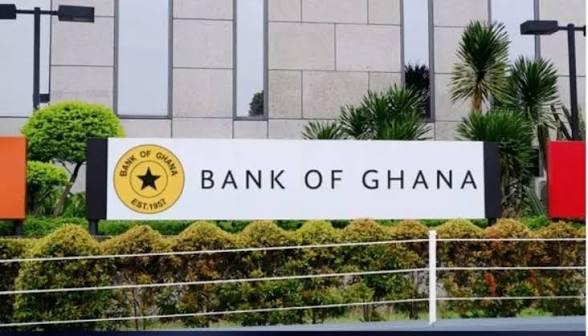
The Bank of Ghana has signalled a cautious but confident shift in its monetary policy stance, opting to consolidate recent gains in inflation and currency stability rather than pursue aggressive new interventions.
This posture was laid bare at the 127th Monetary Policy Committee (MPC) press briefing with journalists, where Governor and Chair of the Committee Dr Johnson Asiama, fielded wide-ranging questions on interest rates, exchange rate management, reserves, credit growth and structural weaknesses in the economy.
The briefing came at a time when the economy is emerging from a prolonged period of macroeconomic stress marked by high inflation, cedi volatility, tight liquidity and weak investor confidence.
Over the past year, however, the central bank has pursued a firm disinflation programme anchored on tight policy, fiscal discipline under the IMF-supported programme, and an aggressive reserves build-up strategy.
One of the headline announcements from the MPC meeting was the decision to return to the 14-day bill as the main instrument for Open Market Operations (OMO).
Clarifying the move, the Governor explained that the decision represents a reset rather than a policy innovation. He confirmed that the Bank intends to discontinue the use of longer-dated OMO instruments such as the 56-day and 276-day bills, which had been introduced during periods of market stress.
According to him, central banks typically operate at the very short end of the market, and the recent reliance on longer-tenor bills was a deviation necessitated by extraordinary circumstances. With stability gradually returning, the Bank is repositioning itself to conduct liquidity management using shorter-term instruments, a move expected to improve policy transmission and reduce distortions in the money market.
The Committee’s decision to cut the Monetary Policy Rate by 350 basis points also drew intense scrutiny, especially against the backdrop of a favourable inflation outlook and easing price pressures.
While some analysts had anticipated a deeper cut to address weak investor demand in the Treasury bills market, the Governor insisted the size of the reduction was deliberate and aligned with the disinflation path.
He explained that the MPC remains focused on balancing upside risks to inflation against the need to support growth. Having brought inflation comfortably within the target band, the Committee believes the current cut is sufficient for now, while leaving room for further action should conditions warrant it in future policy meetings.
Questions about the resilience of the cedi and the external buffers dominated the exchange.
The Governor assured that the country is now in a stronger position to withstand external shocks, citing steady progress in reserve accumulation.
He revealed that Ghana has already met the end-December 2025 reserve targets under the IMF programme ahead of schedule, giving the central bank greater confidence in managing volatility.
This emphasis on reserves, he noted, is critical for an economy heavily exposed to commodity price swings. Ghana’s reliance on gold, cocoa and oil exports leaves it vulnerable to shifts in global markets, making reserve build-up and disciplined foreign exchange intermediation central to the Bank’s strategy.