
BY NADIA NTIAMOAH
The Ghana Catholic Bishops’ Conference has weighed into the renewed controversy surrounding the Human Sexual Rights and Family Values Bill, 2025, popularly known as the Anti-LGBTQ+ Bill, calling on Parliament and relevant constitutional institutions to urgently address the legislative complications that forced the reversal of the House’s earlier approval of the controversial legislation.
The Bishops, while acknowledging Parliament’s decision to rescind its earlier passage of the bill, have urged lawmakers to ensure that any further consideration of the legislation strictly follows constitutional requirements, proper parliamentary procedures and legislative standards.
Their intervention comes days after Speaker of Parliament Alban Sumana Kingsford Bagbin announced that Parliament had reversed its earlier decision on the bill following the discovery of inconsistencies between what Members of Parliament approved during deliberations and the provisions contained in the final version of the legislation.
The development has reopened debate over the future of one of Ghana’s most contentious proposed laws, which has attracted significant public attention, political disagreements, religious interventions and international human rights concerns.
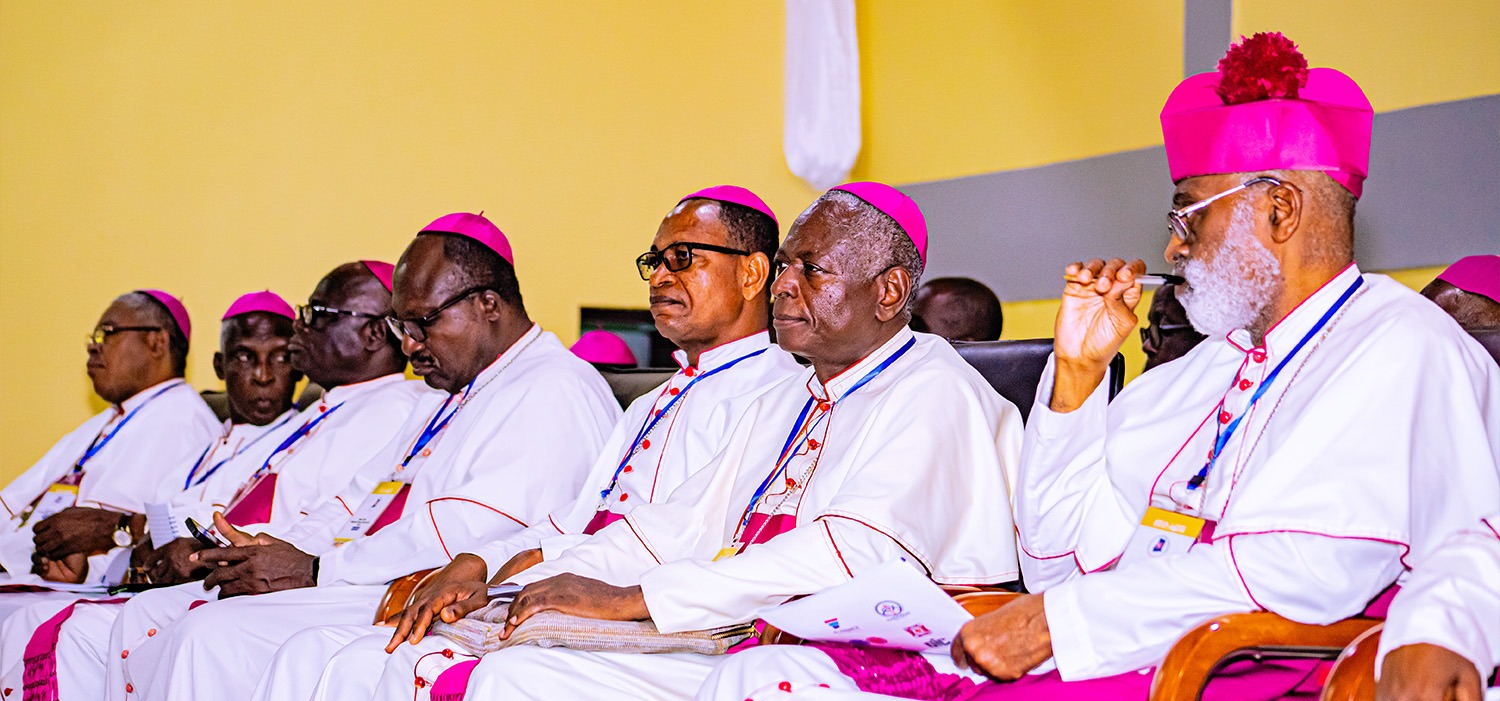
In a communiqué issued at the end of its annual Plenary Assembly held in Jamasi in the Ashanti Region, the Catholic Bishops described the reversal as an opportunity for Parliament to address the concerns surrounding the legislative process while carefully examining the moral, social, cultural and human rights implications of the proposed law.
“We note Parliament’s decision to rescind its earlier passage of the Human Sexual Rights and Family Values Bill. We encourage Parliament and the relevant constitutional institutions to approach any further consideration of the matter with the requisite speed, constitutional fidelity, legislative diligence and due regard for its moral, social, cultural and human rights implications,” the Bishops stated.
The parliamentary development followed a review by Parliament’s Legislation Drafting Department, which reportedly identified discrepancies between the decisions taken by lawmakers during deliberations and the contents of the final version of the bill.
The Speaker subsequently announced the reversal of the House’s earlier resolution, which had been adopted on May 29, 2026.
The decision has raised fresh questions about the legislative processes surrounding the bill, particularly how a controversial piece of legislation that had secured parliamentary approval could later be found to contain inconsistencies requiring Parliament to rescind its earlier decision.
Bagbin’s announcement has effectively returned the proposed legislation to the centre of parliamentary and national discussions, with its future now dependent on the necessary constitutional and legislative processes.
However, the Catholic Bishops have made it clear that they want the matter handled without unnecessary delays, while insisting that Parliament must not compromise constitutional procedures in its attempt to advance the legislation.
Beyond the parliamentary controversy, the Bishops also reaffirmed the Catholic Church’s position on human life, marriage, family and sexuality, stressing that these principles remain central to its teachings.
“We reiterate the Church’s commitment to the sanctity of human life, the dignity of every person, the authentic understanding of marriage, family and human sexuality,” the communiqué added.
Sexual Assaults In Schools
Meanwhile, the Catholic Bishops’ Conference has expressed grave concern over allegations of sexual abuse involving minors in schools, particularly cases in which adults entrusted with the care and protection of students are accused of abusing their positions.
The Bishops described the allegations as heartbreaking and called for impartial investigations by the relevant state institutions, warning against allowing such incidents to go unaddressed.
In the same communiqué, the Conference raised concerns about what it described as growing indiscipline in some educational institutions, including Catholic mission schools.
It identified violence, disrespect for authority, examination malpractice and vandalism as among the worrying developments undermining discipline within the country’s educational system.
However, the Bishops singled out allegations of sexual abuse involving minors as particularly disturbing because of the responsibility placed on adults entrusted with their welfare.
“Above all, it is heart-breaking to note allegations of the sexual abuse of some of our minors in schools by some adults under whose care they have been placed,” the Conference stated.
The Bishops called on the Ministry of Education, the Ghana Education Service, school authorities and relevant police departments to investigate the allegations impartially and ensure that the law takes its course.
“We call upon the Ministry of Education, the Ghana Education Service, school authorities and the relevant departments of the Police to investigate these allegations dispassionately and let the law take its course,” they urged.
The intervention comes amid heightened national attention on allegations of sexual misconduct and abuse involving students and individuals in positions of authority within educational institutions.
The Conference also called for a renewed commitment to discipline, moral education and character formation, arguing that the purpose of education should extend beyond academic achievement.
According to the Bishops, schools must produce individuals who are not only academically competent but also morally responsible and capable of contributing positively to society.
“Education must produce not merely academically competent individuals but responsible and morally grounded citizens,” they emphasised.


