By Nadia Ntiamoah
As Gianni Infantino marks ten years at the helm of world football’s governing body, Ghana has been singled out as one of Africa’s standout success stories in leveraging FIFA support to drive sustainable football development, competitive excellence, and institutional growth.
In a statement reflecting on his decade-long presidency, Infantino praised Ghana as a model Member Association that has effectively transformed FIFA funding and technical support into tangible progress across infrastructure, grassroots football, women’s development, and elite performance.
His remarks place Ghana among a select group of footballing nations that have moved beyond dependence on international support to building long-term systems for growth.
At the heart of this progress, Infantino noted, is the strategic utilisation of FIFA’s development frameworks, particularly the FIFA Forward Programme, which was established to support infrastructure, governance reforms, and technical capacity across Member Associations.
According to the FIFA President, Ghana has maximised these opportunities through deliberate planning and institutional coordination.
Infrastructure Transformation At Prampram
A major symbol of this transformation is the Ghanaman Soccer Center of Excellence, the national technical centre of the Ghana Football Association in Prampram. Once limited in capacity and facilities, the centre has undergone significant upgrades in recent years, positioning it as a modern hub for national team development and technical training. 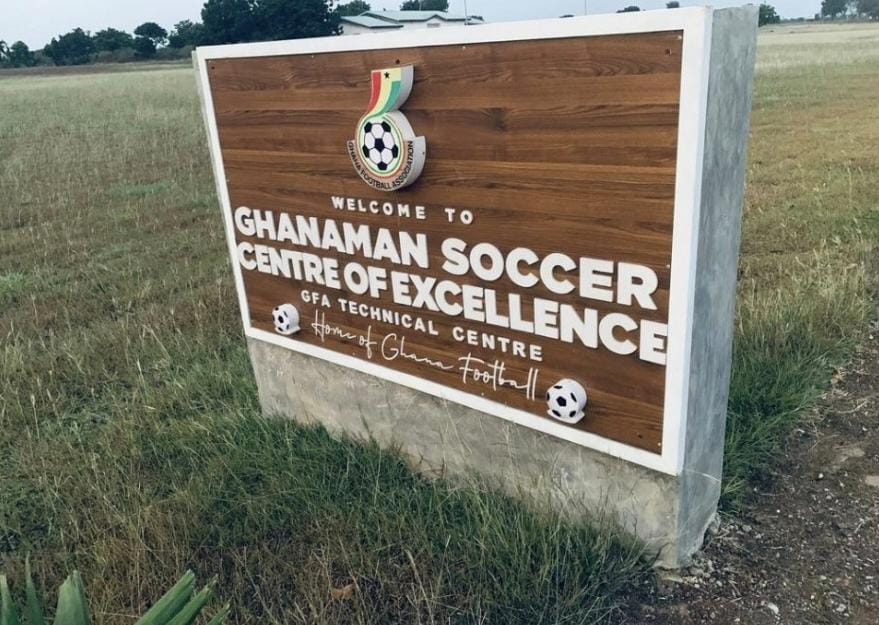
The facility now boasts newly installed floodlights, a 30-bed residential accommodation block for teams and officials, and two modern training pitches—one natural turf and one artificial surface—allowing year-round use for both development programmes and national team preparations.
Beyond the southern belt, football development has also expanded geographically, addressing long-standing regional imbalances in access to elite facilities.
The inauguration of a second technical centre in Winkogo in northern Ghana represents a strategic effort to decentralise football infrastructure and bring elite development opportunities closer to underserved communities.
This expansion, according to Infantino, has been driven by the leadership of Kurt Okraku, President of the Ghana Football Association, whose administration has prioritised nationwide participation, youth inclusion, and the integration of development programmes such as the FIFA Talent Development Scheme.
Women’s Football
Women’s football has emerged as one of the fastest-growing sectors of Ghana’s football ecosystem. Infantino highlighted the transformation of the domestic women’s structure, driven largely by FIFA-backed support for the National Women’s League, which has strengthened the talent pipeline and improved competition standards across the country.
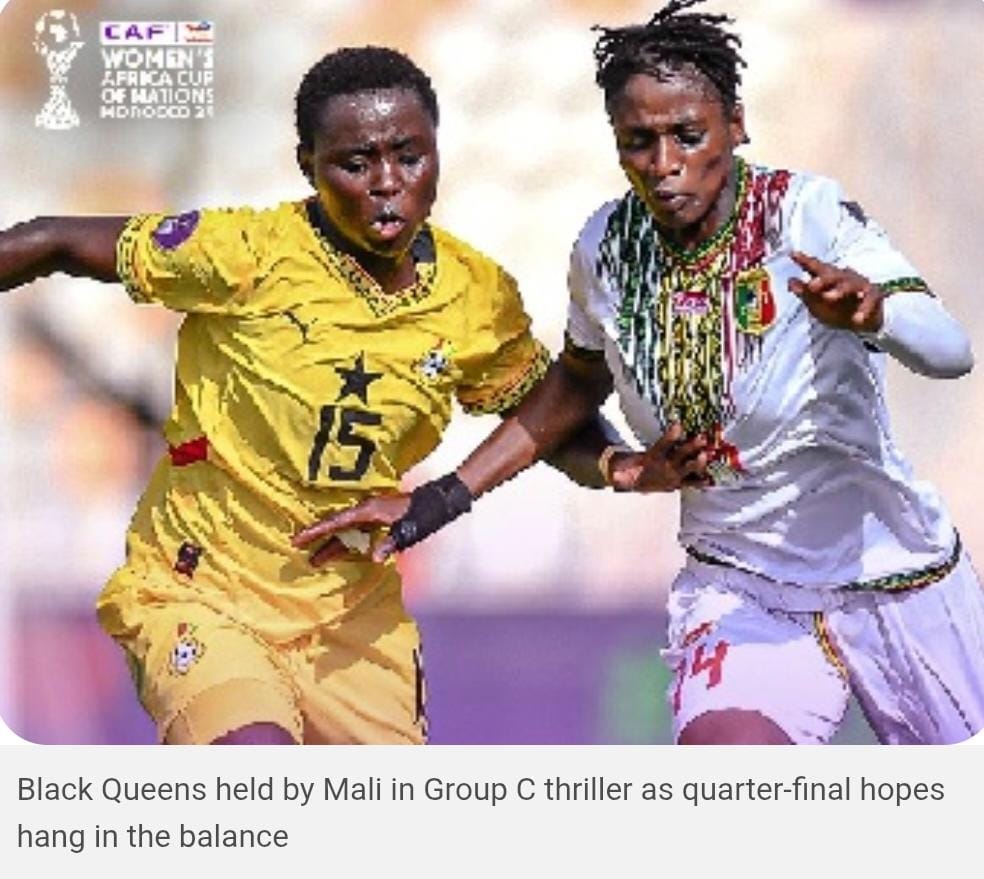
These reforms have had direct international impact. The Black Queens have returned to continental relevance, securing qualification for the Women’s Africa Cup of Nations in both 2024 and 2026—an achievement that reflects deeper structural progress rather than isolated success.
The emphasis on women’s football now places Ghana among Africa’s emerging leaders in gender-inclusive football development, aligning national policy with FIFA’s broader global agenda for women’s sport.
Sustained Global Presence of the Black Stars
On the men’s side, the consistency on the world stage has further reinforced its development credentials. Infantino pointed to the successive qualification of the senior men’s national team, the Black Stars, for the FIFA World Cup Qatar 2022 and the 2026 FIFA World Cup, co-hosted by Canada, Mexico, and the United States.
These back-to-back qualifications are increasingly viewed not as isolated sporting achievements, but as outcomes of structured development—rooted in improved facilities, youth pathways, technical training systems, and institutional stability.