BY Nadia Ntiamoah
The growing disruption to global oil supply routes could trigger a sharp reduction in crude oil production across the Gulf, with producers potentially cutting output by as much as 60% if the current shutdowns persist, the Chief Executive Officer of the Chamber of Oil Marketing Companies (COMAC), Dr Riverson Oppong, has warned.
Dr Oppong said the unprecedented disruption to the movement of crude oil is creating mounting pressure on producers who are increasingly facing difficulties transporting and storing their output.
Speaking on Channel One TV, he said Gulf producers could eventually have little option but to reduce production because continued restrictions on oil shipments could leave them without sufficient storage capacity for newly produced crude.
“Very soon, the Gulfians are going to reduce crude oil production by 60%. They have no choice because they’re going to produce, they’re not going to have any place to store it because of this shutdown,” he said.
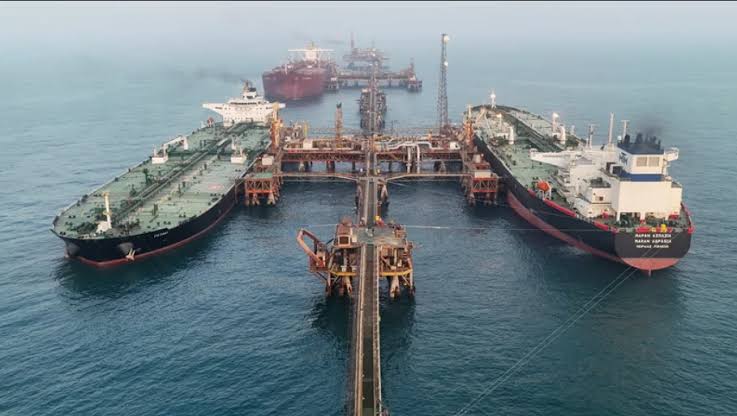
The warning comes against the backdrop of severe disruptions affecting crude oil shipments through the Strait of Hormuz, a critical maritime route for energy supplies from the Gulf.
Dr Oppong said the situation has become more complicated because disruptions are not only affecting the direct movement of crude through the Strait of Hormuz but are also putting pressure on alternative infrastructure intended to move oil outside the strategic waterway.
The Strait of Hormuz has historically been one of the most important corridors for the transportation of energy supplies from the Gulf to international markets. Any prolonged disruption therefore has the potential to affect producers, refiners, traders and countries that rely heavily on imported petroleum products.
According to Dr Oppong, the present circumstances are creating a situation in which oil-producing countries may have crude available for production but face increasing difficulty getting the commodity to market.
That, he warned, could eventually force producers to reduce their operations even as global consumers face tighter supplies and higher prices.
Dr Oppong further disclosed that refinery activity in the Middle East has already been affected by the supply disruptions.
He cited data gathered in September indicating that refinery throughput in the Middle East had fallen by 110, although the unit or precise measure was not specified in his remarks.
The reduction, he said, has also affected the production of refined petroleum products, including diesel, within the Gulf region.
“The refinery throughput today in the Middle East has shortened by 110. So it tells you that even diesel production within the Gulf itself has shrunk with the September data we are gathering now,” he said.
A sustained reduction in refining activity could add another layer of pressure to international fuel markets because the disruption would affect not only the availability of crude oil but also the supply of finished petroleum products.
The COMAC CEO also pointed to disruptions affecting the movement of Russian diesel and petrol as another factor tightening global energy supplies.
He described the combination of disruptions affecting the Caspian/Russian supply source and the Gulf region as an extraordinary development, arguing that the simultaneous impact on two major energy supply corridors could have significant consequences for international markets.
“Never ever have we experienced such an outlook ever in history, where two major sources, the Caspian source and the Strait of Hormuz, or the Gulf source, have both been attacked,” he said.