By Daniel Bampoe
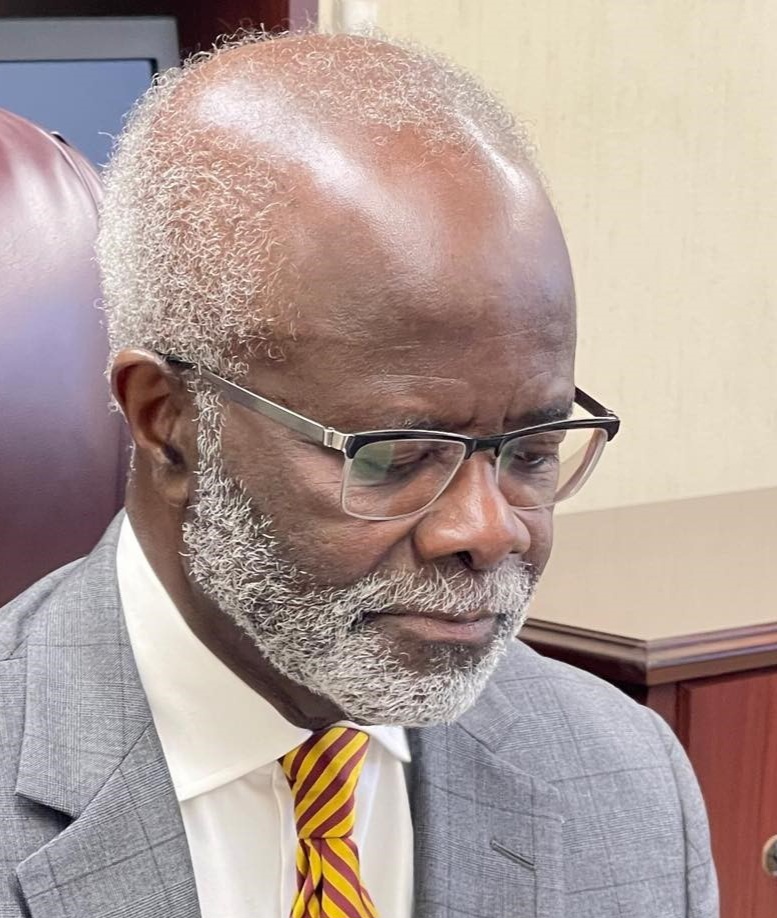
The President of the Ghana Union of Traders’ Associations (GUTA), Dr. Joseph Obeng, has called on the government and the Bank of Ghana to adopt strict fiscal and monetary discipline to maintain the recent stability of the Ghanaian cedi, which is currently trading at GHS13.00 to the US dollar.
Speaking on the Citi Breakfast Show, Dr. Obeng stressed that the cedi’s appreciation is a welcome development for Ghanaian businesses, but warned that its sustainability depends on consistent economic management and sound policy execution.
“If the cedi remains stable at GHS13.00, it brings predictability and confidence into the business environment,” he said.
“When it fluctuates or depreciates, it erodes that confidence and makes planning extremely difficult for businesses.”
Background: A History of Volatility
The cedi has endured repeated episodes of depreciation over the past decade, largely due to macroeconomic instability, heavy government borrowing, and weak foreign exchange reserves.
In 2022 and 2023, the local currency fell dramatically against the dollar, hitting record lows that fueled inflation and stoked public discontent.
Following Ghana’s bailout agreement with the International Monetary Fund (IMF) in 2023, the government committed to fiscal consolidation and structural reforms.
Recent interventions by the Bank of Ghana—including tightening monetary policy, improving forex management, and strengthening regulatory oversight—have contributed to renewed investor confidence, helping the cedi to rebound in early 2025.
Caution Against Wrong Economic Narratives
Dr. Obeng cautioned policymakers against succumbing to economic arguments that could jeopardize the cedi’s newfound strength.
He criticized the notion that a weaker cedi would boost exports, calling such arguments misleading and potentially harmful.
“Some economists will argue that a stronger cedi hurts exports, and may pressure government to deliberately devalue it,” he warned.
“But that is a false narrative. A stable and strong cedi is good for the entire economy, especially as we drive towards industrialisation.”
Strategic Role of BoG and Government
Dr. Obeng underscored the importance of policy coordination between the Ministry of Finance and the Bank of Ghana.
He urged government to resist populist spending and focus on long-term economic stability by reducing budget deficits, controlling public debt, and adhering to responsible fiscal policies.
“This time, we have the advantage. Whatever discipline—fiscal or monetary—we need to implement to keep the cedi stable, we must do it now,” he said.
He added that the Bank of Ghana’s regulatory control and intervention in the foreign exchange market would be crucial in keeping speculative activity in check and ensuring liquidity for legitimate business transactions.
Industrialisation and the 24-Hour Economy Agenda
Touching on the government’s broader economic transformation agenda, Dr. Obeng highlighted the need for competitive pricing of local goods in both domestic and international markets.
He urged government to view the cedi’s appreciation as a tool to support its 24-hour economy policy and industrialisation drive.
“We must not overprice the products of our industries. A stable currency will help us produce at lower cost and remain competitive,” he noted.