BY Issah Olegor
The efforts to strengthen its foreign reserves and deepen local participation in the mining sector received a significant boost on April 30, 2026, as Damang Gold Mine Limited sold 100 percent of its maiden gold output to the state through the Ghana Gold Board (GoldBod), in a landmark transaction.
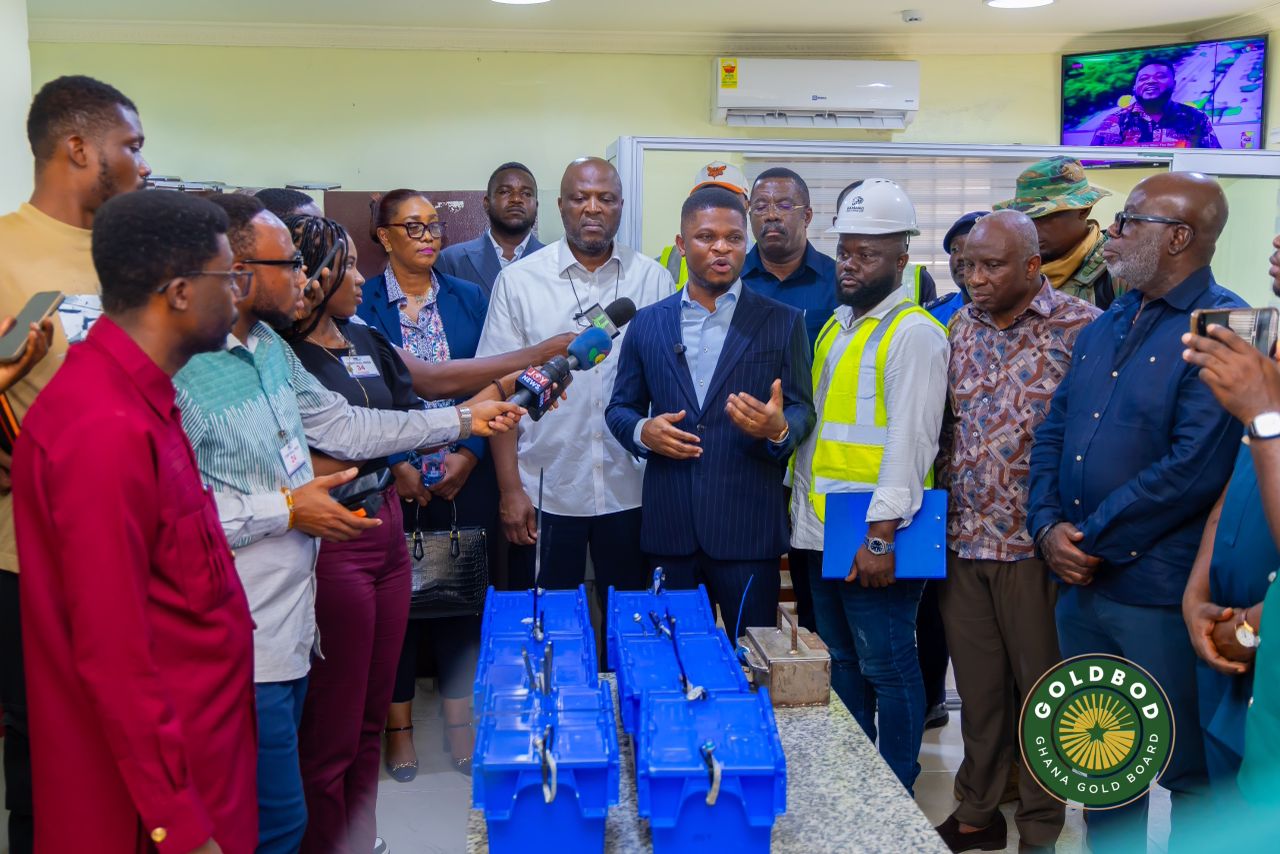
The deal, described by officials as historic, saw approximately 110 kilogrammes of gold delivered to the GoldBod Assay Laboratory in Accra, where the consignment will be tested, valued and purchased on behalf of the Bank of Ghana for inclusion in the country’s gold reserves.
A Shift Toward Local Value Retention
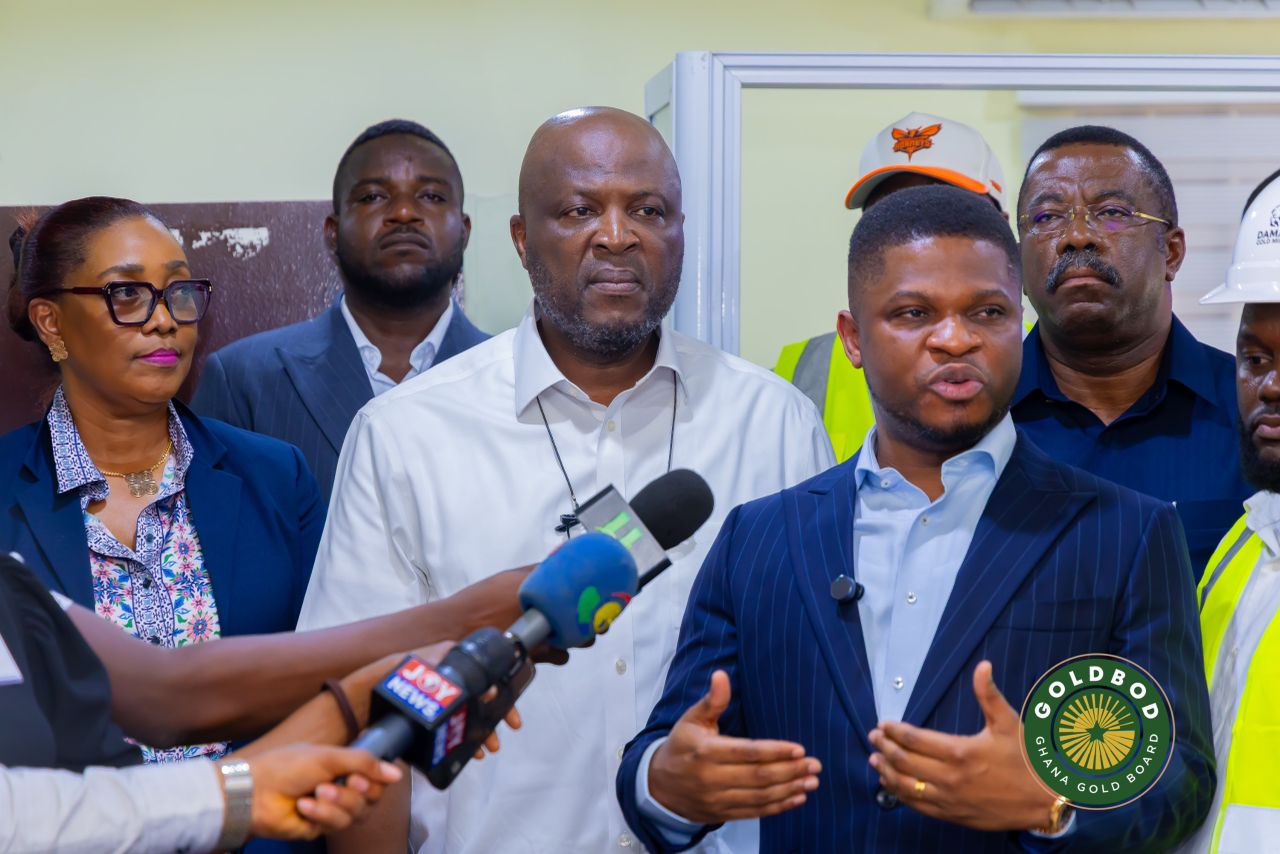
The Chief Executive Officer of the GoldBod, Sammy Gyamfi, who received the delegation from Damang, said the transaction marks a turning point in Ghana’s approach to managing its mineral wealth.
According to him, the decision by Damang to sell its entire initial output locally demonstrates the importance of placing Ghanaian-owned companies at the forefront of the extractive sector to maximise national benefits.
He stressed that such moves are critical to retaining value within the economy and supporting long-term economic transformation.
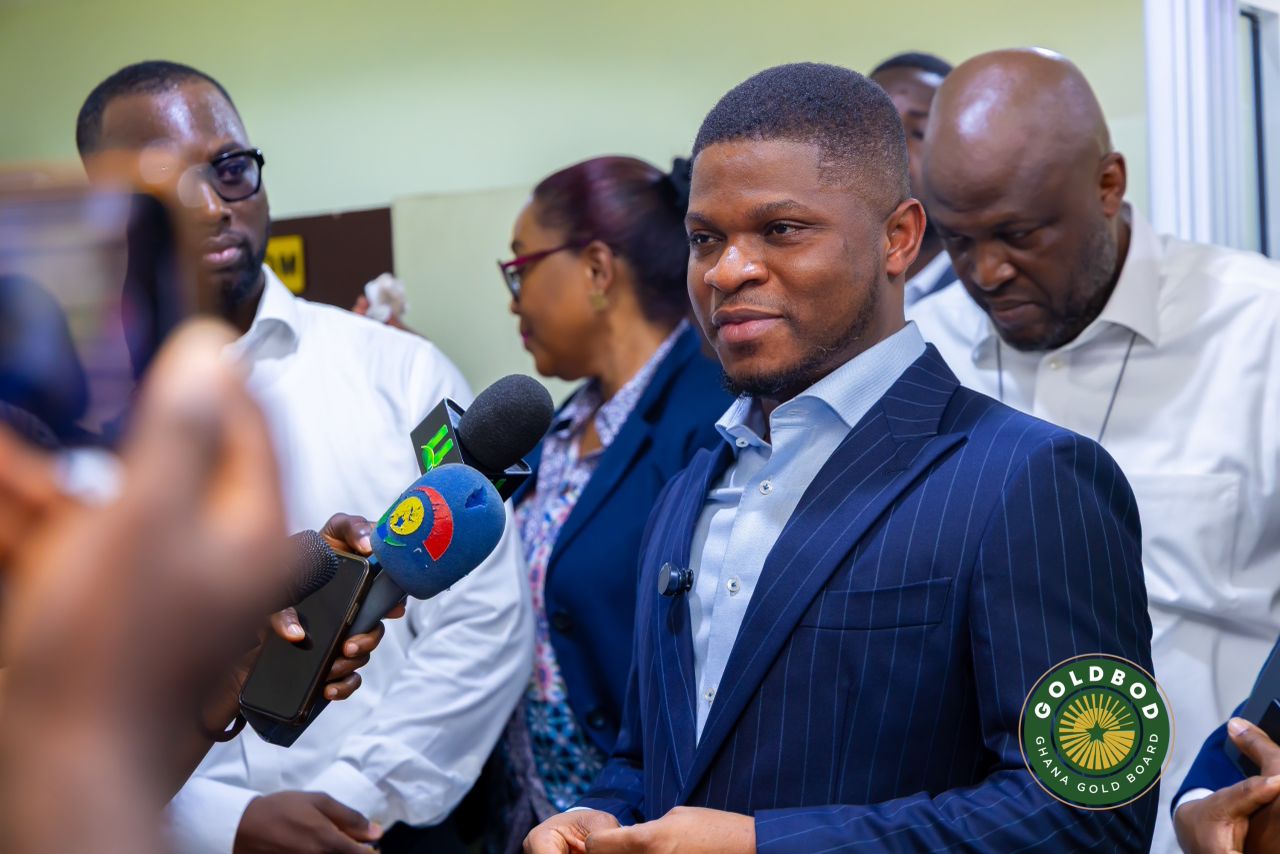
He further lamented what he described as the historically low contribution of large-scale mining companies to the foreign reserve accumulation, urging other operators to replicate the Damang model.
Supporting National Reserve Strategy
The transaction is aligned with the government’s Ghana Accelerated National Reserve Accumulation Programme (GANRAP), a policy initiative aimed at increasing the country’s gold reserves to stabilise the economy and strengthen the local currency.
Under this framework, gold purchased by the GoldBod is refined and added to the holdings of the Bank of Ghana, thereby boosting Ghana’s reserve position and reducing reliance on foreign exchange inflows.
Officials say the programme represents a strategic shift from exporting raw gold to leveraging domestic production for macroeconomic stability.
Damang’s Strategic Entry
The Damang Gold Mine, now under Ghanaian management following the transition from foreign operators, is emerging as a key player in this new direction. Its decision to commit its first production entirely to the state has been interpreted as a signal of alignment with national economic priorities.
The 110kg consignment delivered marks the first output since the transition of the mine, underscoring both operational continuity and the potential of indigenous participation in large-scale mining.