BY Daniel Bampoe
The people of Manya Jorpanya, within the Sɛ (Shai) Dangme Traditional Area, have celebrated their rich cultural heritage at a colourful Grand Durbar held as part of the Manya Jorpanya Ngmayem Festival 2026.
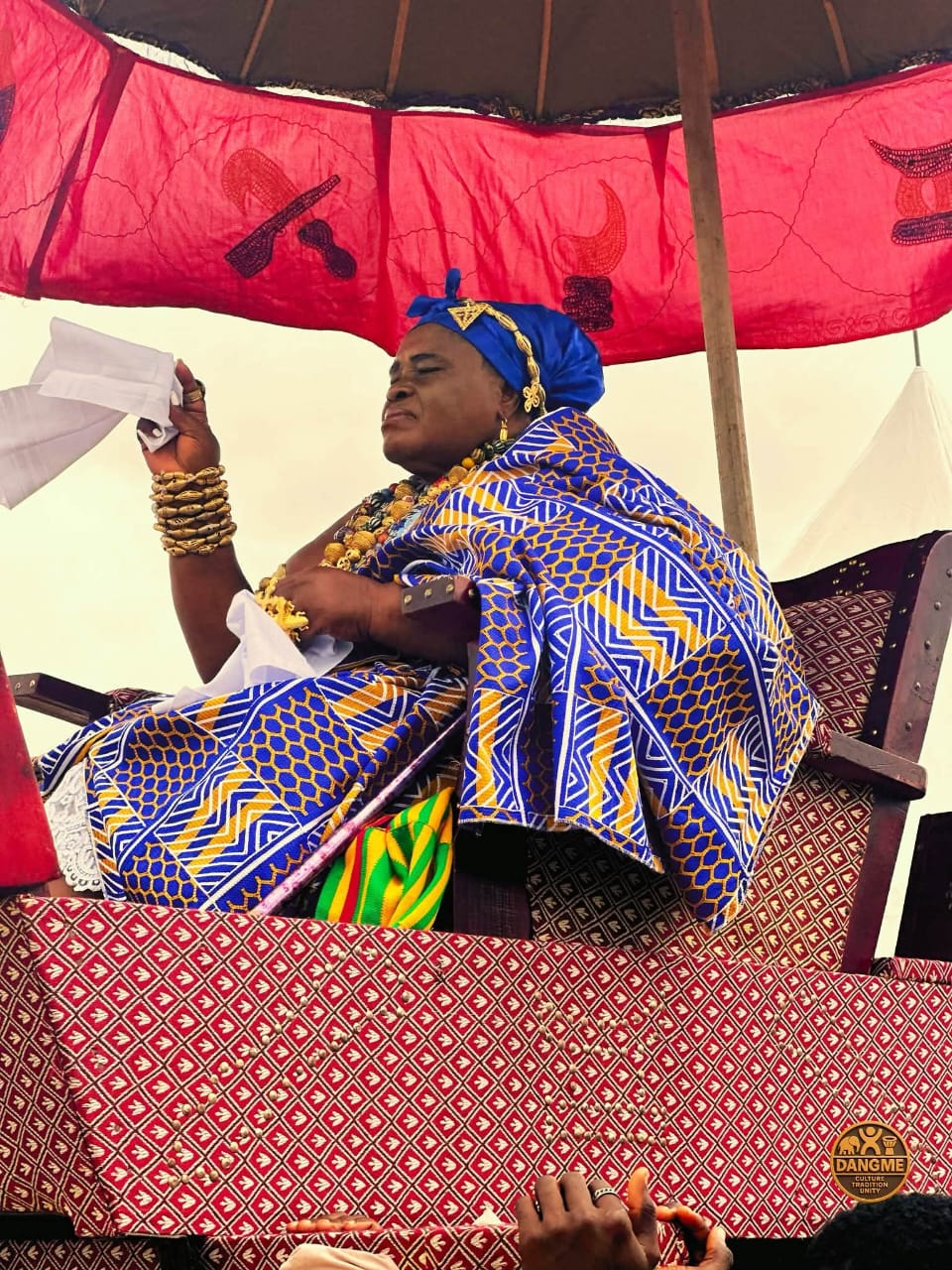
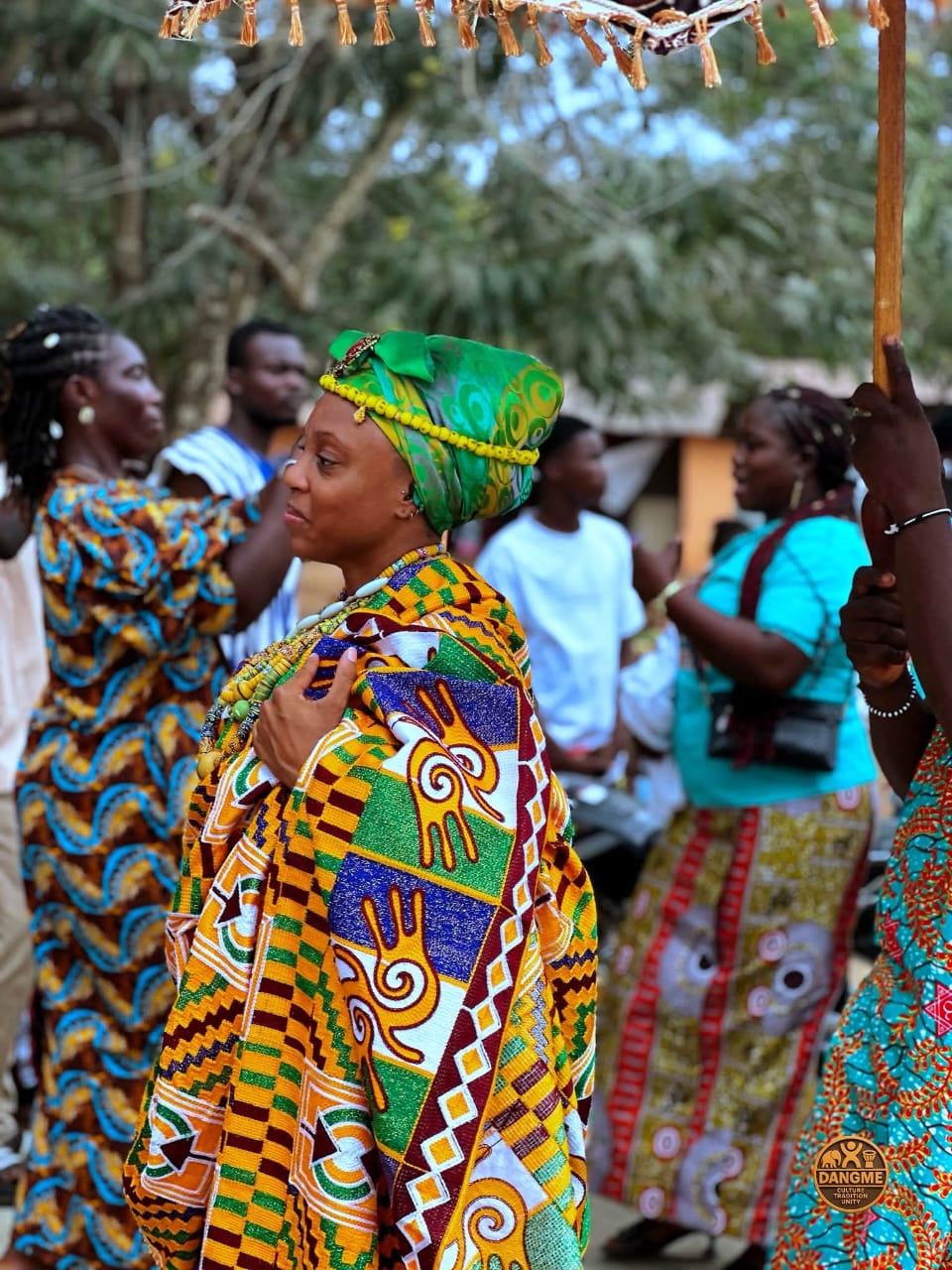
The durbar brought together traditional leaders, Queen Mothers, elders, state officials, religious leaders, dignitaries, citizens and visitors to celebrate the history, traditions and identity of the Dangme people.
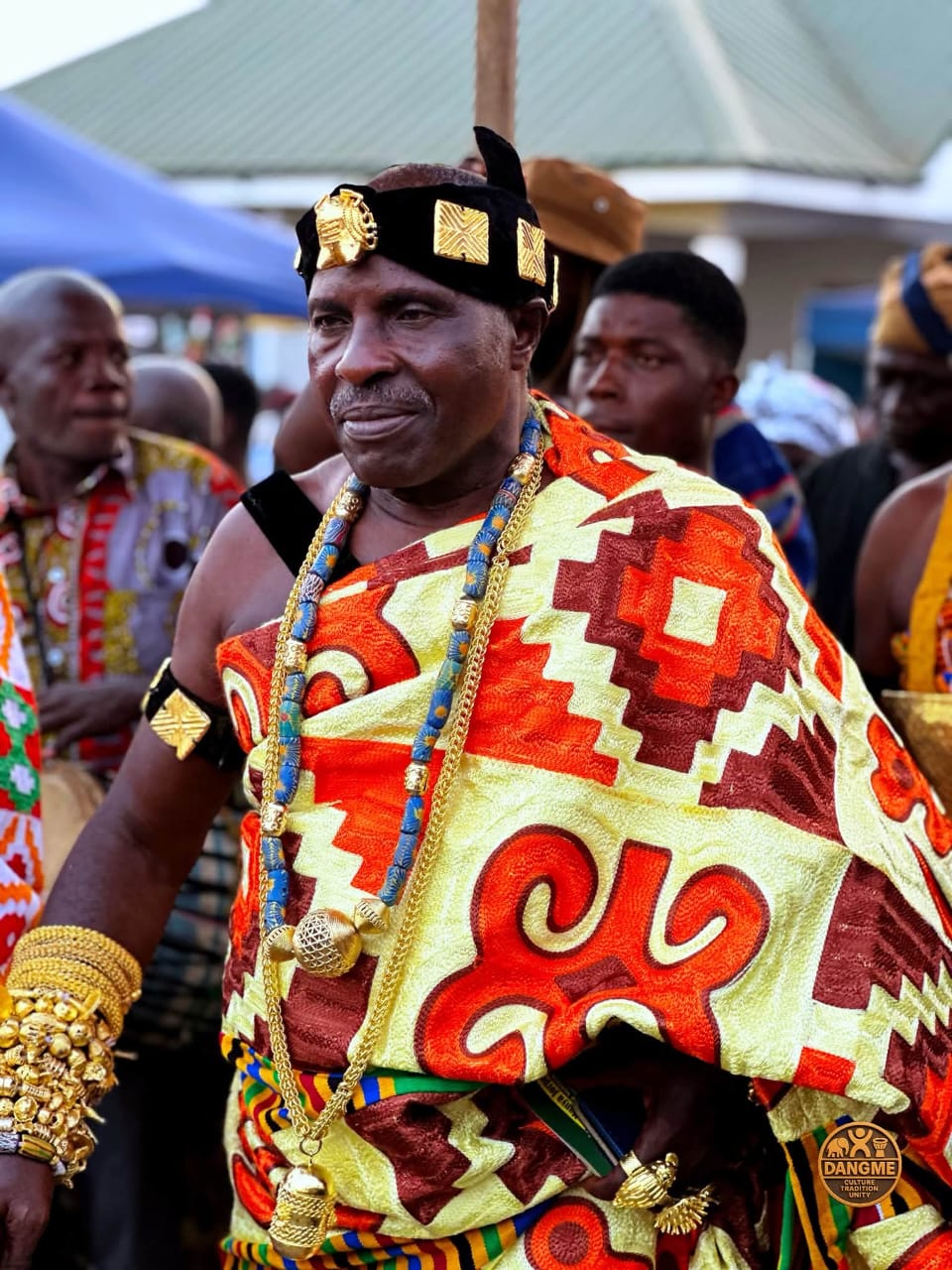
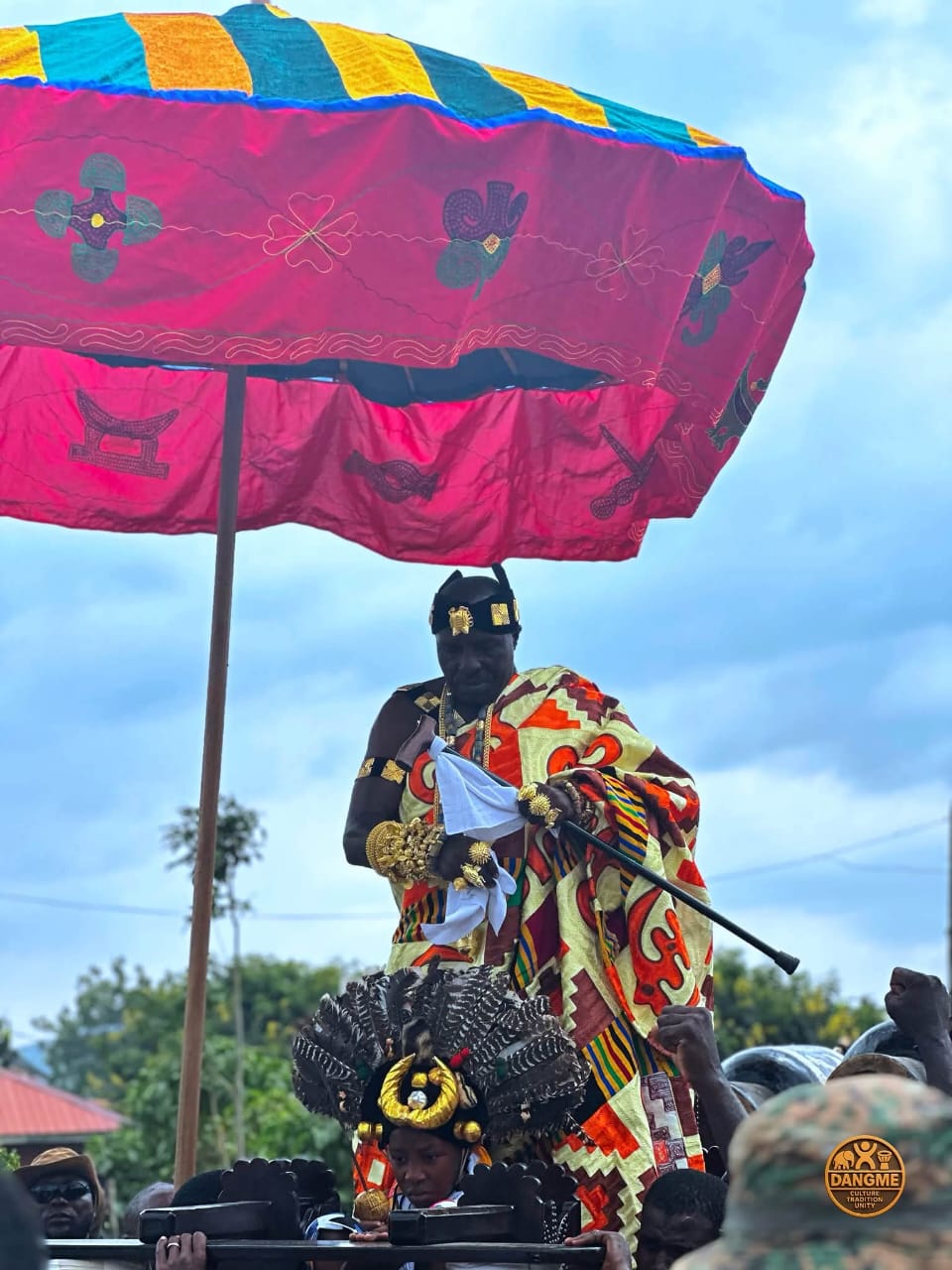
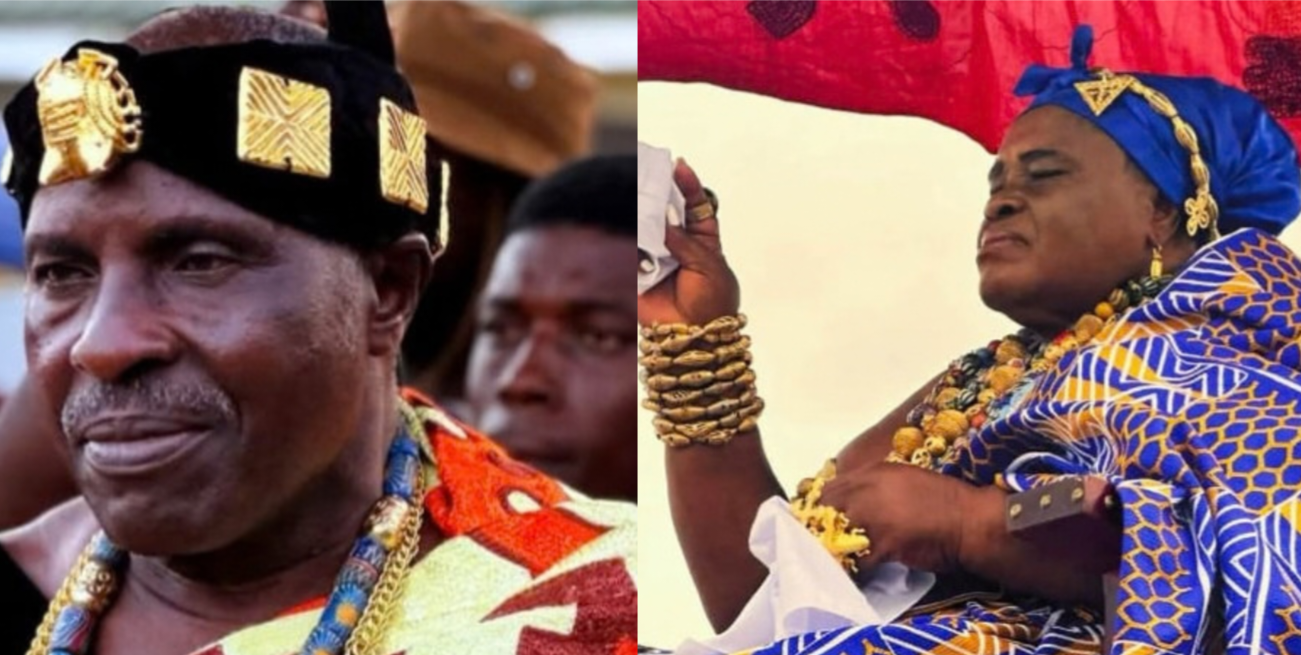
The Grand Durbar was led by HRM Nɛnɛ Dr. Tei-Djahene Korabo IV, Manya Jorpanya Matsɛ and Senior Asafoatse of the Sɛ (Shai) Traditional Area, who joined the gathering in showcasing the customs and cultural traditions of Manya Jorpanya.
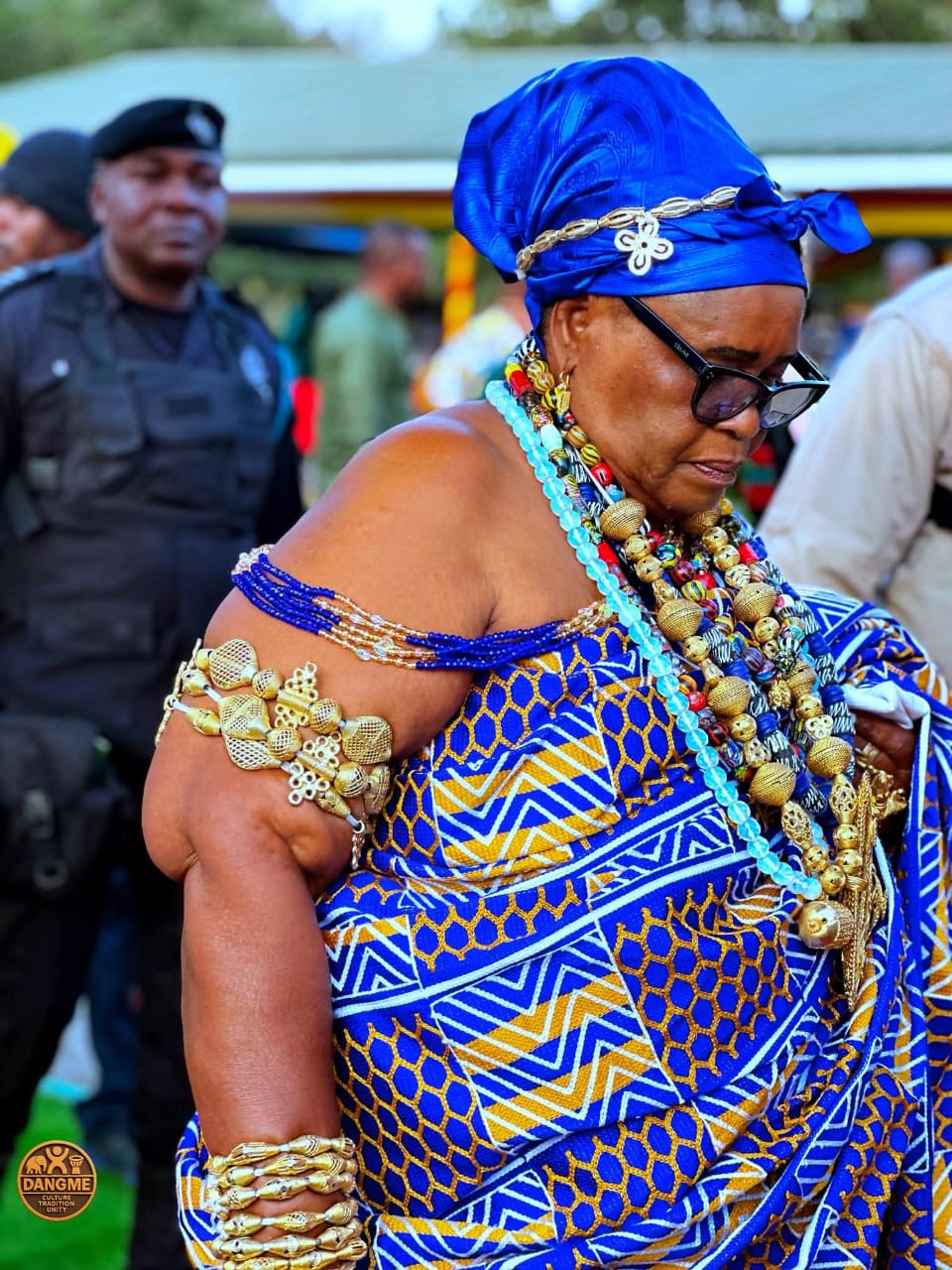
The occasion featured a grand procession of traditional leaders dressed in colourful royal regalia, creating a strong display of the traditional authority and cultural identity of the community.
Traditional Dangme music and dances also formed an important part of the celebration, providing an opportunity for the people to express their culture through music, movement and communal participation.
Traditional rites and cultural displays were equally performed during the durbar, highlighting customs that have been preserved and passed down through generations.
Sprinkling of Ngma highlights traditional rites
One of the significant moments of the Grand Durbar was the sprinkling of Ngma (millet), an important ritual associated with the Ngmayem celebration.
The ritual carries historical, cultural and spiritual significance for the community and forms part of the traditions through which the people express thanksgiving while maintaining a connection with their ancestors and inherited cultural practices.
The sprinkling of Ngma therefore provided more than a ceremonial moment during the festival. It served as a reminder of the relationship between the present generation and the traditions handed down by previous generations.
Preserving Dangme identity
Beyond the colourful display and festivities, the Grand Durbar provided an opportunity for the people of Manya Jorpanya to preserve and showcase their history and cultural identity.
The gathering brought generations together, allowing younger members of the community to observe and learn about traditional practices while participating in the celebration of their heritage.